
Precision agriculture has become a cornerstone in the search for more efficient and environmentally friendly farming methods. This revolutionary approach leverages advanced technologies and information management systems to optimize resource use, increase productivity, and reduce environmental impact in food production.
But are we really clear about what that agricultural precision entails, and how it can transform the way we grow our food? At its core, it's about the digitalization of agriculture and how this process translates into the ability to make the best decisions, in the best scenarios, and at the most opportune times.
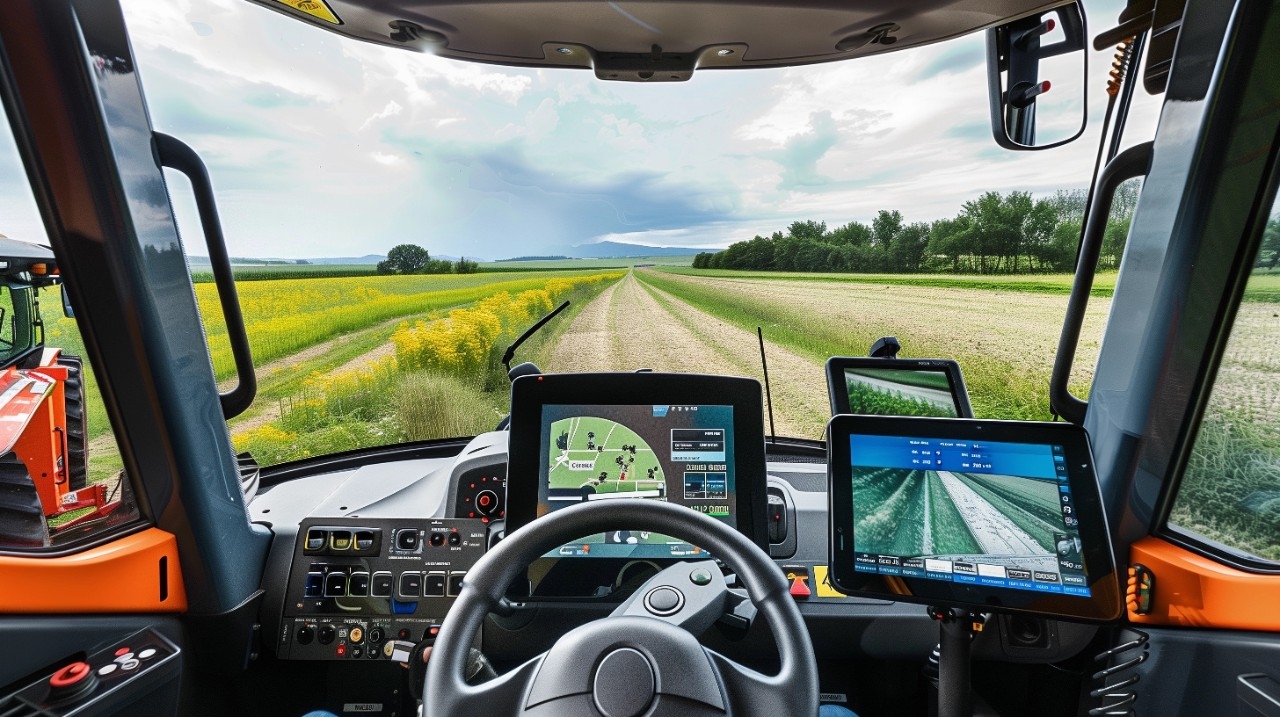
What is precision agriculture?
Precision agriculture is based on the use of advanced technologies and detailed data to optimize the management of crops and available resources. In other words, it involves collecting, analyzing, and applying specific information to make more accurate and efficient decisions at all stages of production. One of the keys is precisely to understand spatial and temporal variability or, in other words, to recognize that agricultural fields are not uniform.
There are differences in soil, topography, climate, and other factors that vary from place to place and at different times, and understanding them is key to improving crop efficiency. This type of agriculture addresses this variability of the terrain through the use of technologies that allow the collection of specific data that promote more precise and efficient management, through practices that range from precision planting to harvesting and optimal maintenance of crops.

Characteristics of precision agriculture
- Use of advanced technologies
Precision agriculture leverages new technologies to gather valuable information. The use of remote sensing and drones equipped with high-resolution cameras, for example, allows farmers to collect data on crop status, soil health, and weather conditions with unprecedented accuracy. This data is integrated into geographic information systems (GIS) and analytics platforms that provide a holistic view of farms.
- Data integration
Agricultural precision systems integrate data from multiple sources, such as satellite imagery, soil measurements, and climate data, to provide a complete and up-to-date picture of the situation in the field.
- Automation and efficiency
The application of the most advanced technologies in high-precision agriculture does not only refer to the collection and processing of information. Automation also plays an important role. Tractors and agricultural equipment equipped with GPS navigation systems, for example, can operate autonomously, optimizing efficiency and reducing costs. Automated irrigation systems, on the other hand, improve efficiency by adjusting the amount of water delivered to crops based on soil conditions and water demand.

- Continuous monitoring
Connectivity has also revolutionized the way farmers manage their farms. Mobile apps and online tools allow them to access real-time data or monitor the progress of activities. In other words, precision agriculture involves constantly monitoring crop yields and field conditions, allowing for real-time adjustments to maximize productivity and minimize negative impacts.
- Customizing Farming Practices
The data collected is analyzed to identify patterns and trends, allowing farmers to better understand the specific needs of each area of the field and make the best decisions at all times. This allows them to tailor their practices to specific demands, from precision planting to applying fertilizers or treatments in the most appropriate quantities and times.
Systems used in precision agriculture
The transformation of agriculture is a fact and a large part of its success has to do with the systems used by precision agriculture, including:
- Global Positioning Systems (GPS). GPS is critical in precision agriculture for accurate geolocation of specific areas of the field. This allows farmers to map the terrain and perform operations with unprecedented accuracy.
- Drones. They are increasingly common tools in the sector. Equipped with cameras and sensors, they can collect valuable data for professionals on the field, crops and weather conditions quickly and accurately.
- Remote sensors. This type of system is mainly used to monitor various aspects of crops and soil from a distance. These sensors can measure, among others, soil moisture, crop health, temperature... In short, key factors for agricultural production.
- Geographic Information Systems (GIS). GIS allows the integration and analysis of spatial data to inform the design and execution of actions in the field. This includes creating crop yield, soil or supply application maps, which help farmers identify both high-yielding areas and those that require extra attention.

Repsol and precision agriculture
Innovation and digitalization play critical roles in advancing precision agriculture. At Repsol, we are committed to this, being aware that the incorporation of emerging technologies such as artificial intelligence (AI), machine learning, the Internet of Things (IoT) and big data has transformed the way operations are managed, and the primary sector is no exception.
The company's commitment to innovation and reducing the environmental impact of agriculture is evident in projects of a very diverse nature. In this scenario, the commitment to renewable fuels in agriculture is not only materialized in initiatives such as the one that Repsol is developing in collaboration with ASAJA, which allows agricultural and livestock waste to be transformed into 100% renewable fuels, but also the promotion of their use in the sector through agreements with strategic partners such as the one signed with FieldBee. Experts in the manufacture of agricultural machinery.
The result is a clear example of how innovation, digitalisation and the use of technology can transform a traditional sector such as agriculture, allowing for more efficient and environmentally friendly production.
It may interest you