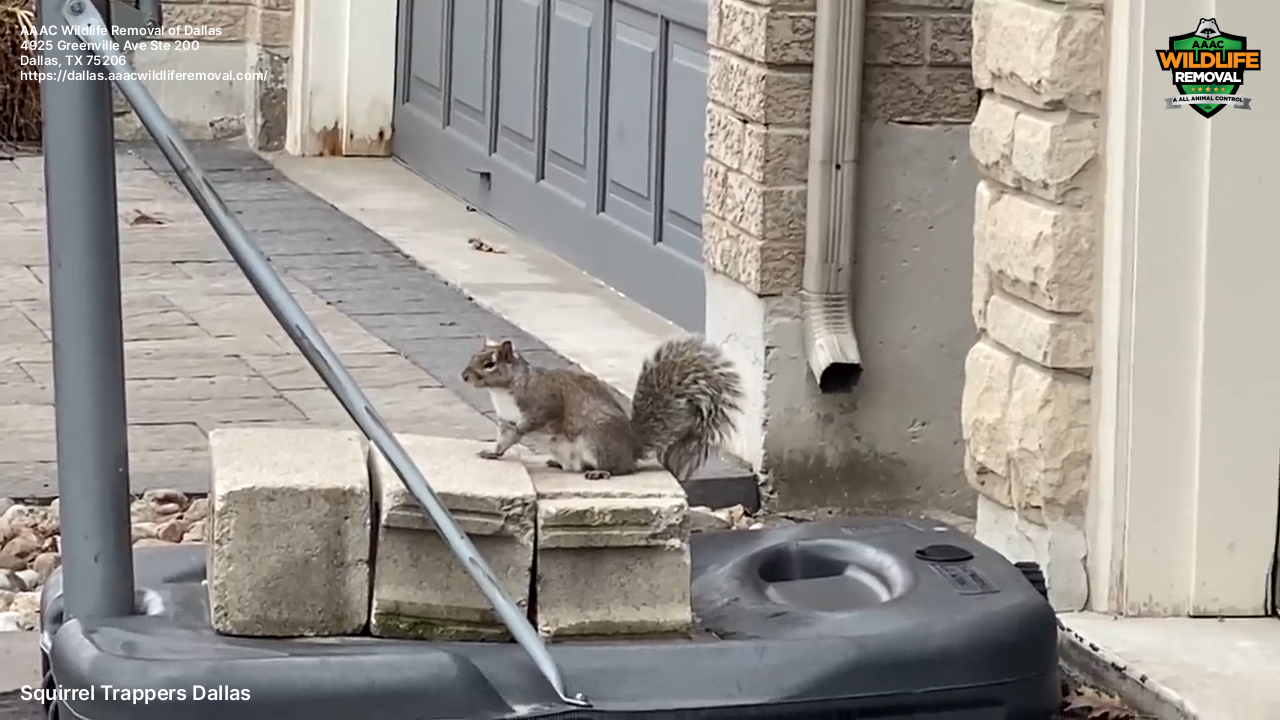
Squirrels in an attic rarely announce themselves politely. You might hear a dawn shuffle over the ceiling or a high-pitched chatter when the sun warms the roof deck. Sometimes you find the signs instead, a chewy fringe on a fascia board, acorn shells pushed into insulation, a faint musky smell where insulation has matted down into pathways. By the time a homeowner notices, the animals have already mapped escape routes and stashed food. Getting them out takes more than a trap and a prayer. It requires a clean read of the structure, timing, and a plan for what happens after they’re gone.
I’ve spent seasons crawling along rafters with a headlamp, tracing daylight leaks through roofing staples and at least a dozen knotholes that didn’t look like entry points until I pressed them with a finger. The pattern repeats: squirrels exploit gaps you can slide a thumb into, commute along utility lines, and treat soffit vents as welcome mats. The methods below reflect what consistently works, along with the pitfalls that stretch jobs from two days to two weeks.
Why squirrel control is different from general pest work
Rodents invite comparisons, but squirrels are not mice scaled up. They carry more strength in their jaws and shoulders, can spring three to five feet upward from a standstill, and maintain a homing instinct that drags them back to the structure if you handle removal poorly. A gray squirrel that’s been denning in attic insulation for a month has repeated the trip dozens of times and knows multiple weaknesses in the building envelope. A red squirrel treats the attic like a pantry, often caching nuts in corners you wouldn’t inspect unless you know where to look. Flying squirrels are social and nocturnal, showing up as a chorus of tiny claws after sunset. Each type needs a slightly different approach, but the core principles of wildlife control hold.
There’s also a human piece. Homeowners understandably want a fast fix. A wildlife trapper who promises “same-day removal” might get lucky, but half the job is preventing reentry. That means wildlife exclusion of every realistic access point, not a dab of foam in the obvious gap. Squirrels will test your work the day you leave.
Reading the situation: sign, species, and season
Before setting equipment, spend real time diagnosing. The best wildlife removal jobs succeed because the early work is precise.
If you hear heavy footfalls at dawn, then a lull, then another burst at dusk, you likely have gray squirrels with an active daytime pattern. High-frequency, pattering footfalls that start after dark often point toward flying squirrels. Red squirrels act like miniature foremen, dropping cones and chattering, and they love tight voids. Look as much as you listen. Rub marks around a hole tell you the entry is active. Fresh chew on lead boot flashings or ridge vents means a recent breach. Piled insulation along a truss line suggests runway activity, not just a curious passerby.
Season matters. In late winter through early spring, females den and birth litters. Evicting a nursing female without locating pups creates a nightmare. She will claw, chew, and pry her way back in. In fall, young juveniles explore vents and are easily funneled out with one-way devices if you don’t spook them into a dead-end void. Summertime heat drives squirrels to shade and lower activity in attics by midday, which can slow trap response.
The hierarchy of methods: from least invasive to full-court press
I rarely start with traps. Good wildlife control leans on behavior, structure, and timing. The sequence below reflects a practical order that reduces stress for the animals and cost for the homeowner, while still protecting the house.
Inspection that actually finds the hole, not the symptom
A proper inspection runs from roofline to foundation. Focus on the eave edges, soffit returns, dormer valleys, and chimneys with compromised crowns. Push gently on any spongy trim. If the house has vinyl or aluminum soffit, pop a section loose at the far end to look for nesting sign in the channel. Inside the attic, kill the house lights and let your eyes adjust, then look for daylight. Trace wiring penetrations and plumbing vents. Use a mirror to peek under low eaves where https://sites.google.com/view/aaacwildliferemovalofdallas/wildlife-removal-near-me-dallas the roof pitch keeps you from crawling.
I carry chalk, a marker, and painter’s tape. Mark live entry holes for camera documentation. If your inspection finds a runway along a ridge vent, gently lift a tab to check for chew under the cap. Squirrels favor that weak point, especially on architectural shingles with vented ridges.
One-way doors and funnels: the backbone of wildlife exclusion
When the entry is defined and you are not in a pup season, one-way devices are the most humane and effective approach. These allow squirrels to exit but not reenter. Placement matters more than model. You want the device directly on the active hole, anchored to solid material. Surround it with a hardware cloth panel that directs the animal into the door or funnel. The skirt should be tight, no more than half-inch mesh, fastened with screws and fender washers. Avoid relying on staples in soft wood; squirrels can rip a loose skirt apart in minutes.
These devices work best when there is a single entry. If a house has two or more active holes, either install multiple one-way exits or temporarily seal secondary holes and leave one exit live. Check the device daily for the first 72 hours. If you see fresh chew marks on the skirt but no movement through the door, you probably misread the primary entry. Reset, do not escalate yet.
Trapping with intent, not as a fishing expedition
Traps are tools, not a strategy by themselves. Use them to catch stubborn residents, trap-shy females, or in cases where one-way devices cannot be installed safely. I favor positive-set traps, where the trap’s mouth covers the entry so the squirrel enters the trap as it tries to leave the attic. This reduces bycatch and saves time. Roofline sets require careful anchoring. A raccoon tug will pull a loose trap off a roof; a squirrel’s frantic bounce can also dislodge it, creating a hazard.
If you must bait, go clean and specific. Shelled peanuts, peanut butter on a hardware cloth tab, or pecans with hulls scored so the scent carries. Avoid smearing bait on framing where it will teach them to lick around triggers. Watch the weather. On hot days, trapped squirrels dehydrate quickly. Check traps early, release or relocate within the legal window, and shade traps where possible.
A quick word on legality, because it matters: state and provincial rules vary widely. Some jurisdictions require on-site release, some mandate euthanasia for certain species, others allow relocation within a set distance. Know your rules, and make sure any wildlife exterminator or wildlife trapper you hire can cite them. Humane handling isn’t just an ethical point, it keeps you out of trouble.
Sealing and reinforcing: the unglamorous part that prevents comebacks
Wildlife exclusion is the second half of the equation. Once the last squirrel has cleared the device or the traps, you remove the one-way door and close the hole with durable materials. I use exterior-grade wood or flashing, backed by hardware cloth. On soffits, reinforce from the backside where possible, then patch the cosmetic surface. On ridge vents that have been compromised, consider a vent guard system or a heavier-gauge replacement. Chimney caps should be stainless, not thin galvanized mesh that rusts out in two winters.
Foam is not a fix. It is a sealant at best, useful for blocking airflow or backing a proper repair, but squirrels chew through most foams in under a minute. Use screws, not just nails, especially into older, dry lumber that no longer holds well. For vinyl soffits, add an internal ledger of wood to give screws something to bite.
Cleaning and restoring the attic environment
Leaving the attic as-is invites future problems. Squirrel urine saturates insulation and wood. The smell telegraphs “vacant den” to other squirrels. At minimum, remove feces and soiled insulation in the den area, treat the substrate with an enzyme-based cleaner, and restore insulation to the target R-value for your climate zone. I’ve opened attics where a localized clean was enough, and others where a full removal was unavoidable. If wiring has chew marks, bring in a licensed electrician to inspect and repair. Insurance sometimes covers part of the restoration if there’s documented wiring damage, but adjusters vary, so photograph everything.
Timing around litters and what to do if you hear squeaks
Spring litters complicate removal. If you install a one-way door and the female cannot reenter, she will often attempt to open a new hole within hours. The solution is to locate the nest, which is usually in the warmest, most inaccessible corner under eaves or near a chimney. Reach in with a gloved hand and a small mirror, or use a borescope to confirm. Pups can be gathered gently into a soft-sided box near the exit device, secured so they cannot fall. The mother will move them once she passes through the one-way door and finds the box. This method requires patience and frequent checks so the pups are not exposed to heat or cold. If you are not comfortable with this, hire a wildlife control professional who has handled litters before. Botched pup handling is the single most common cause of reentry chewing after a removal.
Common entry points and how to harden them
Patterns repeat across houses. A half-inch gap between fascia and drip edge looks harmless from the ground. To a squirrel, it’s a highway. Gable vents with thin insect screen bow outward under pressure, giving just enough flex for a determined animal to push through. Plastic roof vents get chewed at the corners. If your home has a historical soffit style with decorative brackets, check where the bracket meets the soffit panel; the decorative cutout often hides a break in the substrate.
I like to think of the building in tiers. The lowest tier is foundation vents and lower trim, which squirrels rarely use to access the attic but sometimes exploit to enter wall cavities. The middle tier is eaves, soffits, and gables, which represent the main action. The top tier includes ridge vents, chimney flashing, and attic fans. Harden the middle tier first, then the top. Keep trees trimmed to reduce runway access. A five to eight foot clearance between branches and roofline cuts casual visits, though a determined squirrel still crosses via wires and fences.
Deterrents, repellents, and what actually moves the needle
I get asked about sprays, ultrasonic boxes, and bright lights. Repellents can sometimes buy a little time, particularly in shoulder seasons when the attic is not serving as a nursery. Strong scent products may push a transient squirrel to leave long enough to get a one-way device installed, but I never rely on repellents as a fix. Ultrasonic devices excite the human desire for a gadget solution, yet field results are inconsistent at best. Flashing lights or noise machines might move an animal away from a tight void but rarely clear a committed den site.
If you need a bridge tactic, a short blast of light and sound timed to when you know the squirrel is present can nudge it toward the exit device. Use this sparingly. Overdo it and the animal treats the attic like a puzzle to beat, creating new holes and complicating your job.
What a good professional brings to the table
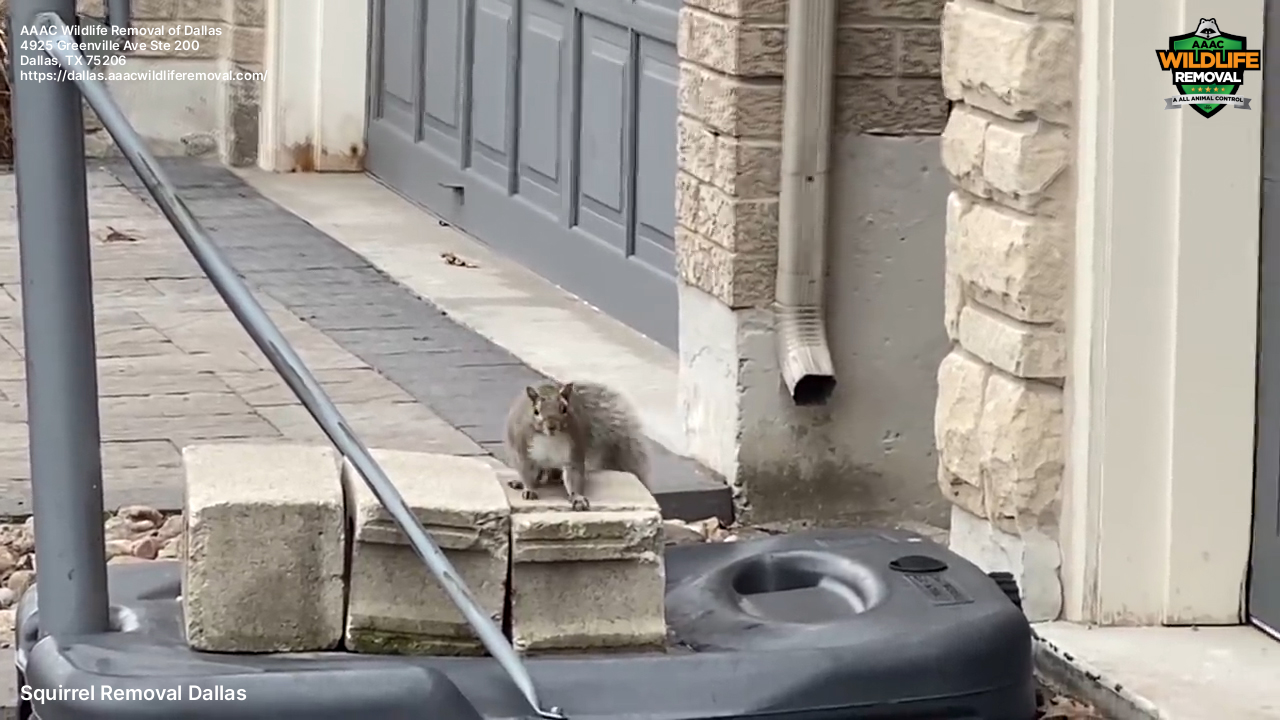
Hiring help doesn’t mean surrendering control. It means adding experience to shorten the timeline. A credible wildlife removal company will do several things consistently. They will walk the roof rather than eyeballing from the ground, unless the roof is unsafe. They will explain why they’re placing a one-way device at a specific location and show you the rub marks or chew that confirm it. They will give a plan for sealing secondary vulnerabilities, not just the live hole. They will lay out how many site visits to expect and the cost of cleanup and restoration. They will respect the season and handle litters humanely.
Expect clarity on who handles what. If a wildlife trapper proposes a trap-only program without exclusion, ask how they prevent reentry. If a wildlife exterminator suggests poisons, stop the conversation. Poisons will kill squirrels inside cavities where they rot, smell, and attract blowflies, and they can risk non-target species. Ethical wildlife control avoids poisons for squirrels.
A simple homeowner checklist to prepare the site
- Confirm noises and timing, and note them for at least two days so you can brief a pro or plan your device placement. Trim easy bridge limbs where safe to do so, and schedule a tree service for larger cuts to reduce future access. Clear attic pathways near the suspected entry so you or a technician can reach the area without crushing insulation across the entire space. Photograph any fresh chew or rub marks, and keep a log of sightings and times. Verify local regulations on trapping and release, and make sure your chosen provider is licensed and insured.
Edge cases and judgment calls
Townhomes and condos introduce shared roof lines and governance rules. One neighbor sealing gaps while another feeds wildlife can create a loop you cannot control. In these settings, management often requires building-wide vent guards and coordinated tree trimming. Communicate early with the HOA to avoid a patchwork of short-term fixes.
Metal roofs complicate attachment. You cannot simply screw hardware cloth skirts into standing seams without risking leaks. In those cases, work with panel edges and existing fastener locations, using custom brackets to mount a one-way device without penetrating the field of the roof. Chimneys with limestone or soft brick need specialized anchors, not plastic plugs that crumble. Old houses with board sheathing demand oversized fender washers to keep fasteners from pulling through dry wood.
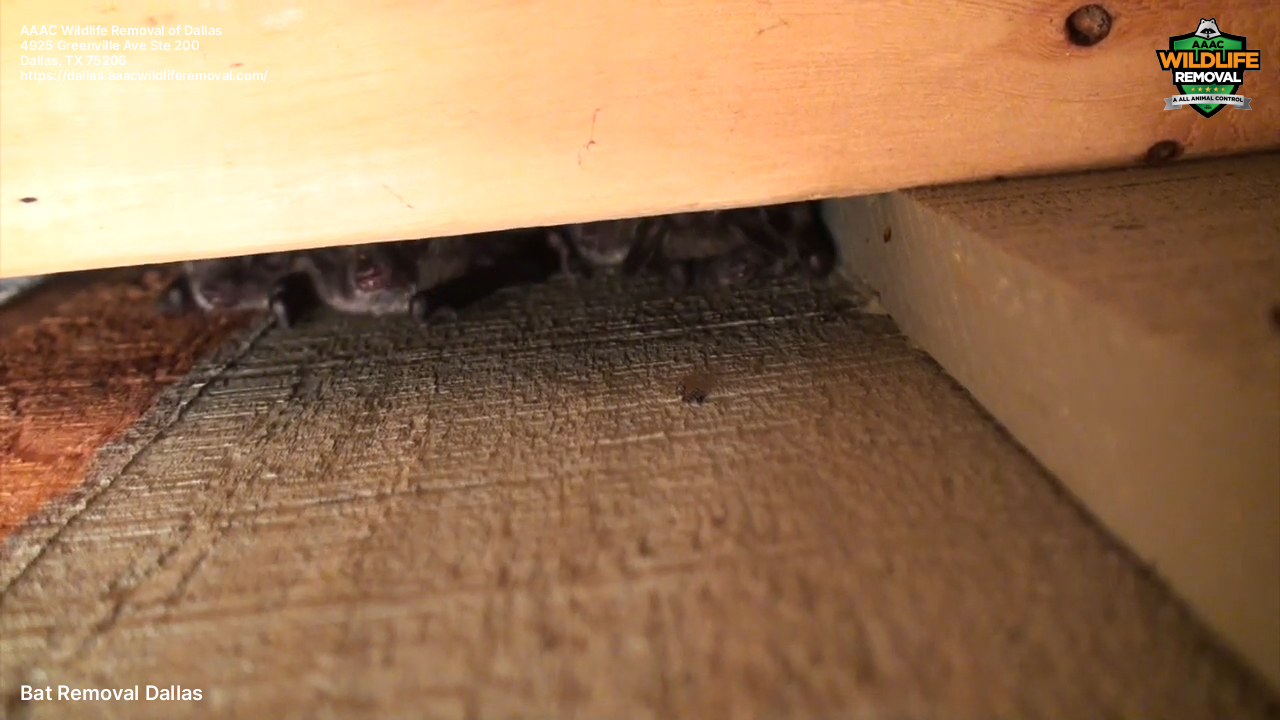
Flying squirrels deserve a note of their own. They travel in groups and use glide paths that make external observation tricky. One-way doors still work, but you often need multiple devices along a run of gable vents or soffit returns. They’re also more sensitive to light intrusions, so limit nighttime inspection disruptions. Red squirrels cache. Even after removal, you may find their stores throughout the attic. Removing caches cuts the scent signature and reduces reoccupation risk.
The economics of doing it right
A basic one-way device setup with a single seal point can run a few hundred dollars in many markets. Add roof work on steep pitches, multiple access points, and post-removal cleanup, and you can cross into the low thousands. Homeowners sometimes balk, then spend just as much over a year on repeated trap calls that never address the holes. Money spent on solid wildlife exclusion, reinforced vents, and repaired trim saves future headaches. If you budget for attic restoration, target the worst-hit zones first. You don’t have to replace all insulation to remove odor. A focused removal, treatment, and top-up approach often hits the sweet spot of cost and outcome.
Safety for you and the animals
Squirrels bite when cornered, and their claws can open the skin quickly. Wear gloves, a dust mask or respirator suited for particulates, and eye protection if you’re working in insulation. Use stable ladders and roof harnesses on anything steeper than a low-slope roof. In the attic, watch your step. Rafter walking isn’t a metaphor. Put a piece of plywood down to distribute weight if you need to sit and work at the eaves. De-energize circuits in the immediate work zone if you’re near exposed wiring.
For the animals, minimize heat exposure and reduce time in traps. Shade traps and avoid setting on the hottest afternoons. Keep handling calm and efficient. If relocation is legal and you choose it, pick suitable habitat within the allowed range, with tree cover and water. Release at dawn when possible, and avoid releasing into a territory with heavy predator scent. If laws require on-site release after sealing, do it thoughtfully, and monitor for any attempt at reentry in the first 48 hours.
Putting it all together: a sample workflow that consistently works
A typical gray squirrel job on a two-story house with a gable roof goes like this. Day one, arrive early and observe from the ground for twenty minutes to catch a departure. Inspect roof edges, ridge vent, and gables. Find the active hole at a lifted drip edge where fascia meets roof. Inside the attic, confirm rub marks and daylight at the same location. Install a one-way door with a tight hardware cloth skirt at the entry, and pre-cut a fascia patch for later. Identify two secondary vulnerabilities at a plastic roof vent and a bowed gable screen. Temporarily reinforce those with hardware cloth so the squirrels aren’t tempted to create a new entry during the eviction.
Day two, check the door. If the counter shows two exits and you see no fresh marks, leave it in place another 24 hours. If activity persists, set a positive-set trap on the exit, as a backup for a stubborn resident. Day three, with no activity detected, remove the device and install the wood-and-flashing repair over the hole, sealed and painted. Replace the plastic roof vent with a metal unit and add an exterior guard. Swap the gable screen for a heavier-gauge louver cover. Inside, remove feces in the den zone, bag and remove 2 to 3 batts of compromised insulation, treat the wood with enzyme, and patch insulation.
A week later, perform a follow-up check. No rub marks, no noises. The homeowner trims the nearest limb over the roof, scheduled with a tree service. The house goes quiet again.
When to call a pro without hesitation
A do-it-yourself approach can work on a simple, single-hole situation in easy roof conditions. Bring in a professional if you suspect pups and cannot access the nest safely, if the roof is steep or high, if you have multiple entry points across dormers and valleys, or if the house has old wiring and brittle sheathing that complicate repairs. A seasoned wildlife trapper or removal team brings specialized ladders, ridge hooks, custom-fitted one-way devices, and the judgment to avoid creating secondary problems. They also carry insurance for the chance that a tile breaks or a fall hazard presents itself. Quality wildlife control looks simple once it’s complete, but only because the difficult parts were handled deliberately.
Final thoughts that matter once the attic is quiet
Silence after eviction feels like victory, but the long-term win comes from maintenance. Walk the exterior twice a year, spring and fall. Look for paint that’s peeling away from end grain, small separations at trim returns, and daylight where soffit meets fascia. Keep gutters clear so water doesn’t rot the wood squirrels prefer to exploit. Consider upgrading vulnerable points like gable vents and roof penetrations to purpose-built guards. If a neighbor on your block had squirrels this year, you may get tested next year. When that first set of light scuffles returns, you’ll be ready with a trained eye and a realistic plan.
Squirrels are persistent, athletic, and clever, but they’re also predictable once you read the structure and the season. Combine patient inspection, smart one-way exits, targeted trapping when necessary, and durable wildlife exclusion, and you turn a noisy attic back into a quiet roof over your head.