
Luxury homes are designed to offer more than attractive interiors or expensive furniture. They combine thoughtful architecture, high-quality materials, modern technology, comfort, and carefully planned spaces. The most impressive properties often reflect the lifestyle and preferences of their owners while maintaining a strong connection between design and everyday functionality.
In 2026, luxury residential design increasingly emphasizes wellness, sustainability, personalization, and seamless technology. A well-designed luxury home should look distinctive while also supporting practical needs. Here are five features that commonly make high-end properties stand out.
1. Distinctive Architecture and Thoughtful Layouts
Architecture creates the first impression of a luxury home. Unique building shapes, carefully planned proportions, large windows, and attractive exterior materials can give a property a recognizable identity.
Interior layouts are equally important. Open living spaces, spacious kitchens, private bedrooms, and well-organized circulation areas make a home comfortable and practical. Some properties also include double-height ceilings, indoor courtyards, and carefully positioned staircases.
A strong architectural design considers how different rooms connect with one another. Instead of focusing only on appearance, it creates a natural flow between private and shared spaces.

2. Premium Materials and Custom Finishes
High-quality materials are another important feature of luxury homes. Natural stone, solid wood, carefully selected metals, premium glass, and handcrafted surfaces can create a distinctive interior atmosphere.
Custom cabinetry, detailed wall treatments, designer lighting, and carefully finished flooring help give rooms a more individual appearance. These elements are often selected to complement the home's architectural style.
Material quality also affects durability and maintenance. Well-chosen surfaces can retain their appearance for years when properly installed and cared for. The goal is not simply to use expensive materials, but to select finishes that work together and suit the property's overall design.
3. Advanced Smart Home Technology
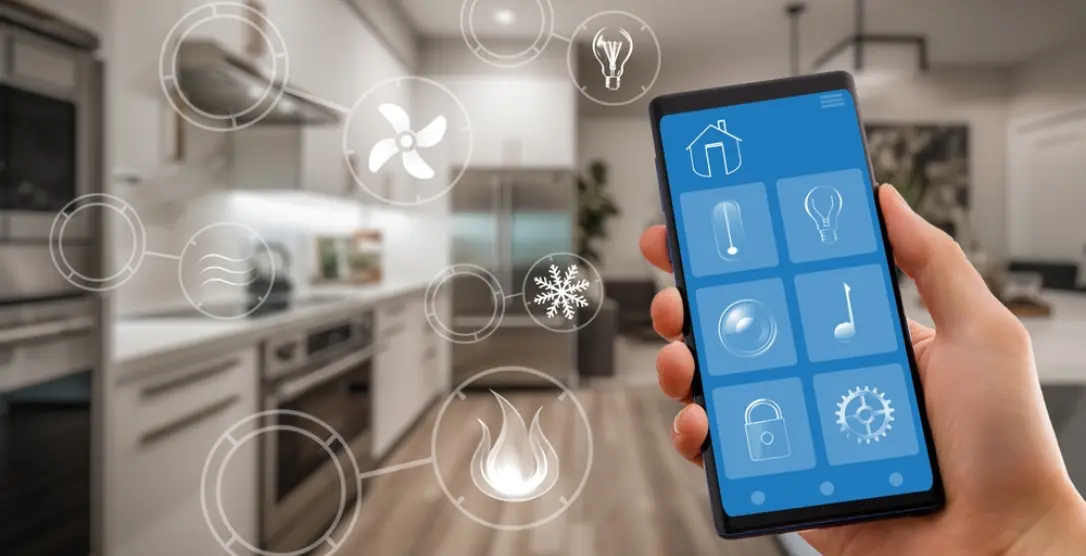
Modern luxury homes increasingly use integrated technology to improve convenience, security, and energy management.
Smart systems can control lighting, heating, cooling, window coverings, entertainment equipment, and security devices through centralized interfaces. Some properties also use automated irrigation, smart locks, video monitoring, and energy-management systems.
The best technology is often designed to remain visually discreet. Hidden speakers, integrated lighting controls, and automated systems help maintain a clean interior appearance while making everyday tasks easier.
Smart home technology is most effective when different systems work together reliably rather than operating as separate gadgets.
4. Wellness and Private Leisure Facilities
Luxury residential design increasingly treats personal well-being as an important part of the home environment.
Features such as private gyms, swimming pools, spa-style bathrooms, saunas, meditation rooms, and landscaped gardens create opportunities for relaxation and exercise. Some homes also include dedicated yoga areas, cold-plunge facilities, and outdoor wellness spaces.
Natural light, good ventilation, comfortable temperatures, and high-quality indoor air can further improve everyday living conditions.
These features are valuable because they make wellness part of the property's regular use rather than something that requires a separate destination.
5. Outdoor Living and Sustainable Design
Outdoor spaces can significantly increase the appeal and functionality of a luxury home. Landscaped gardens, terraces, balconies, outdoor kitchens, and swimming pools create additional areas for relaxation and social gatherings.
Large sliding doors and covered patios can connect indoor living spaces with the surrounding environment. In properties with attractive natural views, thoughtful landscaping can make the outdoor setting an important part of the overall design.
Sustainability is also becoming more relevant. Solar panels, energy-efficient windows, insulation, rainwater collection, and efficient cooling systems can reduce resource consumption. Native plants and water-conscious landscaping can further support responsible property management.
Conclusion
Luxury homes stand out when architecture, materials, technology, wellness, and outdoor design work together. Expensive finishes alone cannot create a comfortable or memorable property. Thoughtful planning and attention to everyday needs are equally important. As residential design continues to evolve, the most appealing luxury homes are likely to combine distinctive aesthetics with convenience, sustainability, and long-term comfort.