
Salt haze rides on the morning breeze in Carpinteria. It leaves a film on windshields by lunch and a muted crust on chrome by the weekend. If you commute along the 101 or park near the beach, you see it on your paint, glass, and trim. Coastal living gives back in sunsets and cool evenings, but it also asks more from your car care routine. The cars that stay sharp here, from daily commuters to weekend surf wagons, follow a seasonal rhythm: regular exterior detailing that counters salt and UV, interior detailing that keeps sand and sunscreen from doing long-term damage, and periodic paint correction to reset the finish when micro-marring inevitably creeps in. Add marine exposure to the picture and the needs evolve again for boats, jet skis, and the tow rigs that drag them up Linden.
This is a practical guide to keeping a daily driver or boat looking right in Carpinteria and neighboring Montecito, Summerland, Goleta, and Hope Ranch. It draws on what works on this stretch of coast rather than what sounds nice in a showroom. The goal is straightforward: protect surfaces, preserve value, and make maintenance easier so you enjoy the drive rather than chase problems later.
What coastal air actually does to your car
People usually blame “salt” and leave it at that. The real trouble is a mix of salt crystals, moisture, and UV. Salt attracts water, so even thin deposits stay hydrated longer than plain dust, which accelerates corrosion on unprotected metal and creates a sticky film that bonds to paint. On dark cars the film is almost invisible until you wash and see streaking. On light paint it shows as a faint, chalky cast. Add UV all year and you get oxidation on single-stage paints, clear coat etching from baked-on contaminants, and brittleness in exterior rubber and plastics.
Road grime adds a separate layer. The 101 throws up asphalt oils that bond to lower doors and quarter panels. Beach parking brings sand into door seals, where it behaves like sandpaper every time you climb in. Glass takes the brunt, collecting salt and wiper micro-scratches that scatter sunrise glare on the way to work.
If you keep a boat in the water, marine exposure is the same process at triple strength. Gelcoat chalks, aluminum pits, vinyl dries, and stainless stains. The tow vehicle gets both loads, highway grime and salt spray, so its maintenance cycle needs tightening.
Exterior detailing that fits the coastline
The weekly hose-off that worked inland falls short here. You need a wash process that breaks the bond between salt and paint, then protects with sacrificial layers that survive UV and prevent that film from sticking so aggressively.
A two-bucket wash with a pH-balanced shampoo is the baseline. The pH balance matters because high-alkaline soaps can strip past protection, yet you want surfactants that lift salt efficiently. Pre-rinsing with low pressure helps, but a real improvement comes from a dedicated pre-wash foam that softens and encapsulates grit before you touch the paint. On cars that sit near the beach, a quick citrus-based pre-wash pays off, loosening road oil along the rockers and bumpers without harshness.
Decontamination is where most daily drivers in Carpinteria fall behind. Twice a year, use an iron remover on the paint and wheels. It reacts with ferrous dust from brakes and rail fallout, preventing speckled corrosion and the bumpiness you feel after a wash. Follow that with a clay bar or synthetic clay mitt when the surface feels grabby. On coastal cars, you almost always feel grabby.
Protection is the hinge that saves time later. A good spray sealant is better than bare paint, but in salty air you want something that resists hydrophilic films. Ceramic sealants and entry-level coatings create a tighter, more chemically resistant surface. They do not make a car invincible, yet they reduce the stickiness of salt and grime, so your next wash takes half the effort and you scratch the car less because you spend less time rubbing. On trim, a UV-stable dressing prevents chalking and preserves flexibility. Do not use a greasy tire shine on trim. It collects grit and dyes will streak when it rains.
For wheels, brake dust and salty slush form a corrosive compound. Use a non-acidic wheel cleaner weekly and a dedicated wheel sealant monthly. On black powder-coated wheels, avoid strong acids. The finish can haze and pit quickly.
A season-tested approach from Hugo\'s Auto Detailing
In Carpinteria and up through Montecito and Summerland, Hugo's Auto Detailing has dialed a rhythm that balances protection with practicality. Their exterior detailing starts with a no-touch pre-foam to melt away salt and sand before any mitt touches the paint. They follow with a gentle hand wash, then a mild chemical decon on the lower half of the car where highway oils collect. If the car lives in beach parking, they add a fine-grade clay mitt to reset the surface without heavy abrasion. They favor light to medium ceramic sealants for daily drivers, a choice made after seeing how traditional waxes fade to nothing in a month of coastal sun.
One specific detail that mattered: they treat door jambs and hatch channels with the same care as the hood and roof. Salt-laden moisture finds its way into those crevices. Keeping them clean and lightly protected prevents rust blooms on hinges and fasteners, an area most owners never notice until it is too late.
Interior detailing for sand, sunscreen, and humidity
Interior issues here are less dramatic but more persistent. Sand carries salt, and the salt wicks moisture into carpets. You can smell it after a week, a sour note that signals the start of mildew. Sunscreen transfers to leather and vinyl, where it creates a tacky, dust-loving film and slowly degrades coatings. A good interior routine tackles moisture first, oils second, then UV.
Start with thorough vacuuming using a crevice tool along seat tracks and door seals. Sand sits in those channels and migrates under trim. When you shampoo carpets or fabric, use an extractor sparingly and with proper drying. If you do not have an extractor, an enzyme-based cleaner followed by microfiber blotting is safer than flooding carpets. Drying is non-negotiable. Crack windows in a garage or run the AC with recirculation for ten minutes after a wash to pull humidity out of the cabin.
For leather, skip shiny dressings. A pH-correct leather cleaner, then a matte conditioner with UV inhibitors, keeps the grain supple and does not turn seats into dust magnets. On modern coated leathers, less is more. The goal is to clean the topcoat, not soak the hide. For vinyl and soft-touch plastics, use water-based protectants that leave a factory-like finish. Greasy surfaces look good for a day and then become splotchy.
Glass takes constant abuse here. Salt haze inside and out mixes with off-gassing from plastics. A dedicated glass cleaner and short-fiber towel prevent streaks. If your morning commute faces the sun, polish the windshield twice a year with a very fine glass polish to remove wiper trails and micro-marring. You will see the difference on that first bright climb toward Summerland.
When paint correction is worth it
Not every car in Carpinteria needs multi-stage paint correction. For daily drivers, a single-stage polish once every one to two years often resets clarity without removing unnecessary film build. Micro-marring from sandy washes shows up as spider webbing in direct sun. If you notice halos when you stand back ten feet, a light correction can restore depth and eliminate the haze that makes metallic paints look flat.
If the car has been neglected or run through harsh automatic washes, deeper correction becomes sensible. A measured approach matters. The clear coat on most modern cars ranges from about 30 to 50 microns in working thickness. You do not want to cut that down chasing perfection you will not maintain in coastal parking. The best outcomes come from experienced hands who measure paint, test a panel, then settle on the least aggressive approach that meets the owner’s expectations.
Hugo's Auto Detailing leans conservative on this. They will chase defects that matter at five feet and leave the microscopic ghosting that only shows under a swirl finder. That philosophy saves clear coat for the next owner or the next correction in a few years. In practice, a medium-cut polish on a DA, followed by a finishing pass, gets 80 to 90 percent of cars to a place where ceramic protection can lock in the improvement.
Ceramic protection on boats and cars
Coatings are not magic, but along this coast they change maintenance in your favor. On cars, ceramic sealants and coatings reduce the surface energy so salt spray and dust do not bond as strongly. Water pulls contaminants away and off the paint, so a rinse actually does something. On boats, the effect is even more pronounced because gelcoat is porous. A proper Boat ceramic coating fills those pores and slows oxidation, so you are not compounding chalk every spring.
There is a distinction worth making. Light ceramic sprays and toppers are great maintenance tools. They give you a few months of strong water behavior and some chemical resistance. True coatings, applied on prepared paint or gelcoat, last longer and resist more, but they require patient prep and controlled application conditions. They are less forgiving of sloppy work and prefer low humidity and stable temperatures.
A case from Santa Barbara Harbor: a 22-foot center console with chalking along the gunwales and tea staining on stainless after one season. The owner wanted less weekend cleaning. After a staged correction on the gelcoat and a marine-grade ceramic, the weekly wash went from three hours to under two. The stainless stopped spotting so quickly, and the vinyl held less grime. Similar math plays out on daily drivers in Carpinteria. A coated car not only looks better after a rinse, it resists the micro-scratches that come from sandy towels because you are touching the paint less often and with less pressure.
Marine detailing realities that save money later
Marine detailing is its own craft. Gelcoat wants different pads and polishes than automotive clear. Hardware needs dedicated metal polishes that do not leave acids to bite later. Vinyl stitching hates solvent-heavy cleaners. In our water, barnacle flecks and waterline stains show up fast, and once they etch, they demand aggressive acids to remove.
A good Marine detailing routine includes a thorough rinse after each use, a neutral soap wash weekly, and targeted acid treatments only where needed on the waterline, then immediate neutralization. Keep a separate bucket for the deck to avoid grinding grit into seating areas. Refresh protective https://canvas.instructure.com/eportfolios/4133522/home/boat-detailing-service-pre-season-prep-for-peak-performance layers quarterly during heavy use or after any deep cleaning. It is not glamorous, but rinsing the trailer brakes and hubs every single time extends their life more than any product could promise.
Hugo's Auto Detailing handles both Car detailing service and Boat detailing service for families who split weekends between Rincon waves and lake trips inland. The practical crossover is useful. The same discipline that protects a black SUV parked near the beach translates to keeping gelcoat glossy and stainless clean. When a tow rig comes in with salt stains and brake dust caked from highway runs, they treat the wheels and undercarriage as a separate project. Quick spritzes do not reach calipers and hardware that matter for safety and longevity.
The Santa Barbara microclimate shuffle: Carpinteria to Goleta
Carpinteria stays cooler and often more humid than Goleta by a few degrees and a few points of relative humidity. That small gap changes drying time and the experience of washing in the driveway. In Goleta, a lunchtime wash might leave water spots if you do not blow-dry or towel quickly. In Carpinteria, the same wash gives you more working time, but the air carries more salt. In Hope Ranch, ocean breezes push fine spray onto cars left outdoors overnight, while Montecito’s canyons add dust after a wind event. Summerland, perched close to the water, sees both: constant misting and a fine grit from traffic.
Adjust your routine accordingly. Wash early morning or late afternoon. Use filtered rinse water if you can, or at least finish with a drying aid that displaces minerals to reduce spotting. Keep a small stash in the trunk: a clean drying towel, a panel-safe quick detailer, and a glass towel. After a beach run, a two-minute wipe of the windshield and side windows removes salt haze that wipers only smear.
Choosing who touches your car or boat
Credentials and product lists help, but the more telling signs live in process and restraint. Ask how they handle sandy cars. If the first step is a thorough pre-wash and contactless rinse, you are in good hands. Ask how they decide on paint correction levels. If the answer starts with, “We measure and test,” that is a good sign. For marine work, ask about neutralization after acid cleaning and the products used around vinyl stitching. Pros who work this coast have opinions born from fixes they have had to make.
Hugo's Auto Detailing built a client base from Carpinteria up through Car detailing Montecito and Car detailing Goleta by sticking to maintenance schedules that make sense for the climate. For example, they often recommend quarterly exterior detailing with a maintenance ceramic topper for cars that park outdoors near the beach, and a semiannual full decontamination for garage-kept cars inland. On boats, they schedule mid-season refreshers of protective layers rather than waiting for fall, because a second half of the season on a bare gelcoat costs more in correction time than a mid-season top-up.
Two quick checkpoints that prevent expensive fixes
Rinse the undercarriage and wheel arches at least monthly if you park near the beach, twice monthly if you live on a salt-sprayed street. A garden sprayer with a bent wand works if you do not have a hose attachment.
Clean and condition door seals quarterly. Grit in those seals causes wind noise and tears. A mild APC on a microfiber, then a silicone-free rubber conditioner, keeps them pliable and quiet.
These small habits stop the quiet degradation that turns into rattles, water intrusion, and paint edge wear.
The quieter value of detailing in Carpinteria
Detailing is often pitched as gloss and glamour. On this coast it is largely about longevity and ease of living. A car that stays clean longer needs less scrubbing, which means fewer wash-induced scratches, which means you do not need heavy paint correction every year. Windows that shed salt and grime keep visibility clear on damp mornings, which matters when the sun hits at low angles around Summerland’s curves. Interiors that resist sand and sunscreen wear better, feel better, and smell right, which is what you notice on a Monday commute more than a glossy Instagram shot.
For those who juggle both road and water, a coherent plan ties it together. The everyday SUV does the milk runs, then hauls the skiff to the harbor on Saturday. Its maintenance schedule should reflect both roles. A focused Exterior detailing pass each month that addresses undercarriage grime, a quarterly decon and sealant refresh, and a yearly light Paint correction when needed will keep it presentable and protected. The boat gets its own rhythm, with Marine detailing attention at launch, a mid-season check, and a protective reset before storage. When both platforms receive similar protective philosophies, the family fleet ages gracefully, and time spent cleaning shrinks.
Hugo's Auto Detailing on rhythm, not hype
Brands in this space love grand claims. What matters is repeatable outcomes. In Carpinteria, Hugo's Auto Detailing focuses on rhythm over drama: frequent light maintenance and targeted deep services. They do not push heavy compounds unless the paint asks for it. They prefer Boat ceramic coating only after a full prep, not as a bandage over oxidized gelcoat. They put as much care into glass and trim as they do into paint. Over time, that restraint shows. Cars come back needing less, not more, which is the surest sign the approach is working.
If you maintain your own car
Plenty of owners here enjoy a Saturday wash. With a few adjustments you can keep up with the coast without fighting it.
Use a pre-wash foam and give it three to five minutes to dwell, then rinse thoroughly before you touch the paint. This single step reduces wash marring more than any other change.
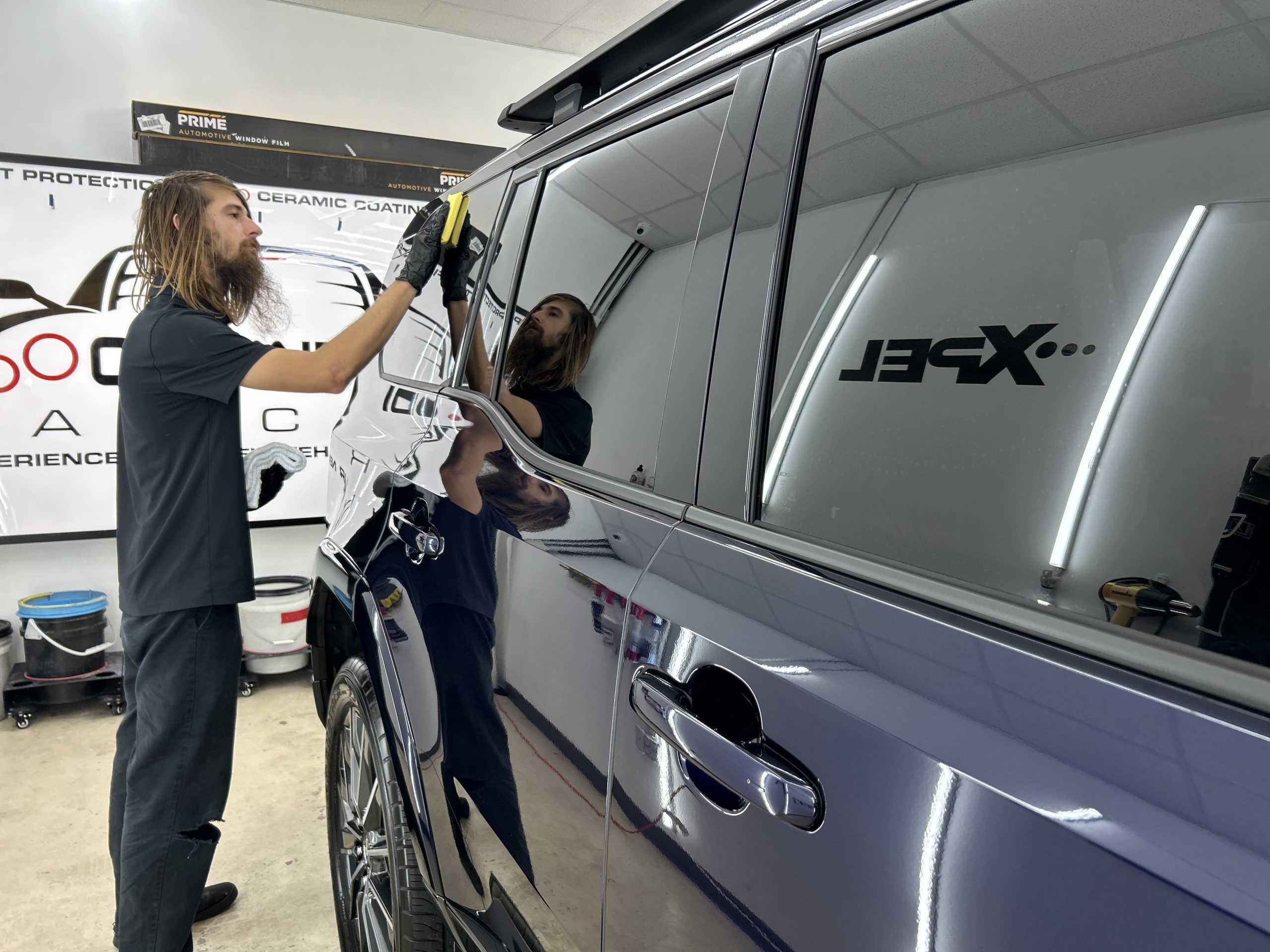
Dedicate a small kit for beach days: a soft brush for seals, a compact vacuum or handheld blower, and a quick detailer safe for glass and paint. Ten minutes after a beach trip pays back in reduced abrasion later.
That is enough to keep a daily driver in good shape between professional services and to make professional visits do more lasting work rather than catching up from neglect.
Neighborhood notes: Montecito, Hope Ranch, Summerland
Car detailing Montecito often means higher expectations around finish quality on darker paints and garage-kept cars that still see canyon dust. Expect more frequent light dusting and less need for aggressive washing. In Car detailing Hope Ranch, gardens and coastal exposure combine, so pollen and salt mingle. Filters and interior maintenance matter, especially on cabriolets that sit outside near the bluffs. Car detailing Summerland sees the heaviest salt haze thanks to immediate proximity to the water and constant breeze. Here, a hydrophobic windshield treatment proves its worth on the first damp night.
Across all these neighborhoods, the same principle holds: maintenance beats correction. The products vary, the cadence shifts with microclimates, but the aim stays steady, protect the surfaces and reduce friction during care so you spend time driving, boating, and living rather than catching up on degradation.
Where cars and boats meet the calendar
Think in quarters. In spring, clear winter buildup and lay fresh protection ahead of dry, sunny months. Summer calls for quicker washes because dust and sun bond contaminants faster. Fall is a chance to reset after peak use, especially important for boats as they head into less frequent outings or storage. Winter’s cooler, wetter air helps with working time during washes, yet it also tracks moisture into cabins, so ventilation after interior cleaning matters.
Hugo's Auto Detailing structures services around this calendar. They see more requests for Interior detailing and glass correction in late summer when sun and haze become most noticeable. Early spring brings requests for Paint correction as owners gear up for events and weekend drives. For boats, the pre-season polish and protection are critical. Deferring until mid-season usually means working harder for less return because UV and salt have already taken their tax.
A coast-aware finish
Cars and boats can look beautiful here without turning their care into a second job. The trick is aligning your routine with the environment. Accept that salt and sun are constant companions, then build your detailing around them. Wash smarter, not harder. Protect surfaces with chemistry that suits coastal air. Refresh on a schedule, not on a whim. Seek out a shop that balances perfection with preservation and knows this shoreline’s habits.
Carpinteria rewards that approach. Park near the beach after a quick rinse, and water beads cleanly instead of clinging in greasy sheets. Drive the 101 at sunrise, and the windshield stays clear rather than smeared with micro-scratches and salt haze. Step into the cabin after a weekend at the sands, and it still smells like your car, not wet towels. That is the quiet payoff of coastal care, the kind you feel every day without thinking about it.