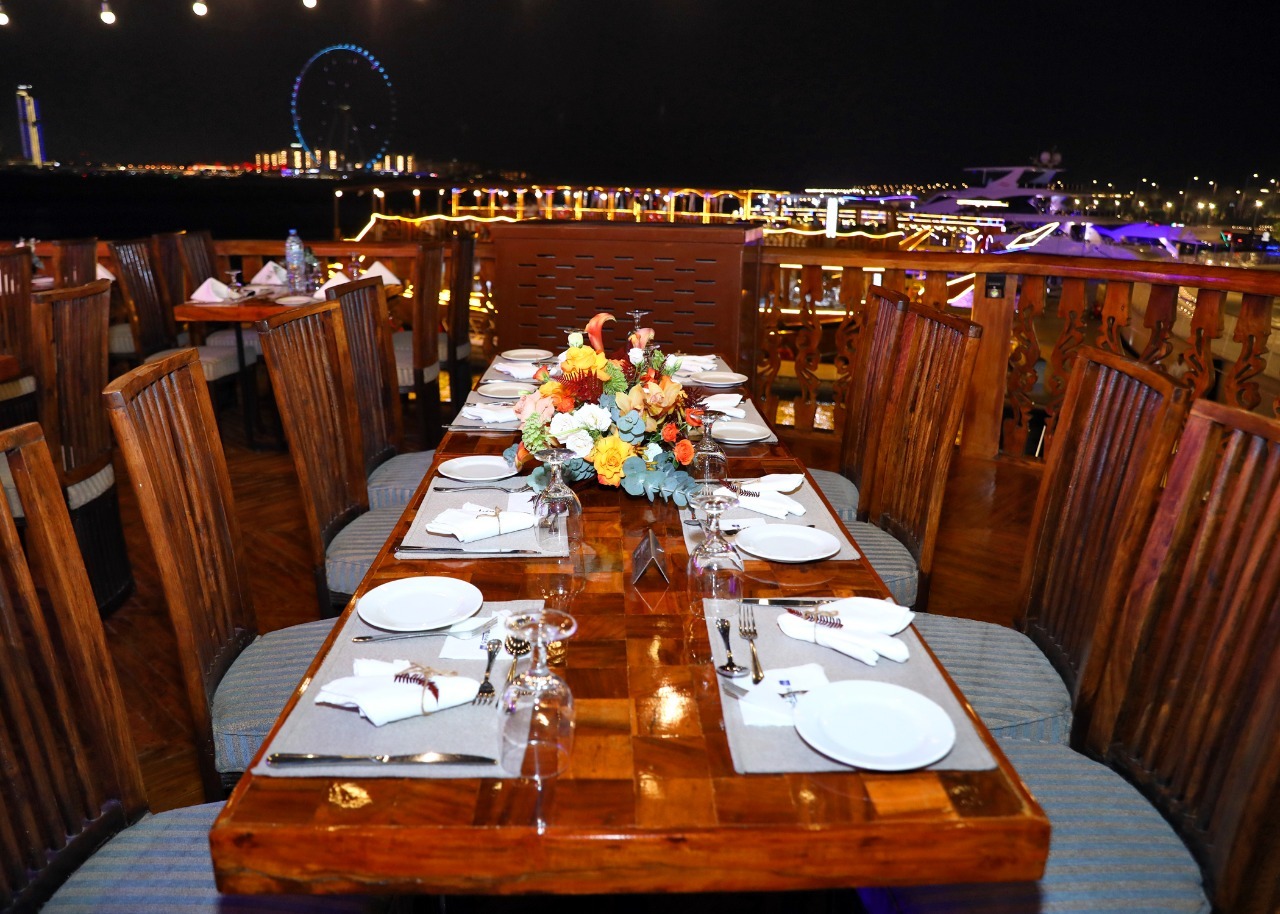
The city plays differently from the water. From dockside, Dubai’s skyline looks colossal and aloof. On the canal, it loosens its tie. The reflections stretch, the noise softens, and the geometry turns into theater. If you are considering a Dubai marina cruise, mapping your evening in advance makes the difference between a pretty boat ride and a memory that actually sticks. The route, the time you board, even which side of the deck you prefer, all shape the story your night will tell.
This guide breaks down the path most dhow cruises take through Dubai Marina and into the Arabian Gulf, what you can expect to see and when you will see it, plus small decisions that add up to a smoother experience. Yes, you will eat well and take photos. More importantly, you will understand the choreography of the canal, the harbor, and the skyline, and how to work with it.
Where the route begins and how the choreography works
Most Dhow Cruise Dubai marina departures start near Pier 7 or Marina Mall. Picture the marina as a man-made lagoon wrapped by a necklace of boardwalks, towers, and footbridges. The canal loops in a rectangle with rounded corners, a kind of urban moat with yachts gliding along the edges. Dhow cruises board at floating pontoons tucked under towers, then ease into the slow lane, hugging the right side of the canal as they trace a counterclockwise or clockwise loop toward the western mouth where the canal meets the sea near Bluewaters Island.
Cruise organizers plan departure times around light, not just dinner. A typical early evening sailing might board around 7 pm, cast off before 8, spend 60 to 90 minutes within the marina canal, then push toward the breakwater for a glimpse of the open water, Ain Dubai, and JBR. Some operators keep the entire route inside the marina if conditions outside the breakwater are choppy or if they run a shorter circuit. The movement is unhurried. Part of the appeal is this measured pace that lets the skyline shift gradually as the light changes from gold to neon.
On a calm night with cooperative currents, you will get three distinct settings in one cruise: the close-quarters glow of the inner marina, the long vistas approaching the harbor mouth, and the open horizon beyond the breakwater with the Ferris wheel framing the scene.
What you will see along the canal
Within five minutes of departure, you slide past a series of landmarks that locals inside the glass apartments often ignore but visitors love to clock. Around Pier 7 itself, the seven-level restaurant tower acts like a lantern, with terraces stacked like decks on a ship. A few bends down, the twisted Cayan Tower rises like a corkscrew, a reliable crowd pleaser for anyone trying to make sense of modern architecture with an actual camera in hand rather than a stock photo. Keep a mental map: on the inside of the curves, the buildings loom larger and your reflection shots look cleaner. On the outside turns, the water widens, and the skyline aligns in stacked layers.
You will pass overwater pedestrian bridges, runners on the promenade, and the occasional superyacht with mood lighting tuned to match the night. The lighting is theatrical. Many towers color-cycle every few seconds, including the residential clusters near Marina Promenade. On weeknights, traffic on the canal is easier and the dhow can thread clean lines; on peak weekend nights, you may pause more often for traffic control near narrow bridges. That is not a deal breaker. It means you get longer looks at certain buildings and time to line up photos without rushing.
Noise is muffled by the canyon walls of glass. Even with a live singer, you can hear the tiny slap of water against the hull. If you are nostalgic by nature, this part of the Dubai marina cruise carries a whiff of the Creek’s older charm, but without the cargo bustle. The Dhow Cruise Dubai marina boats are built for sightseeing and dining, not freight, and the route is designed to keep you in visual contact with the city almost minute by minute.
The pivot: from canal to open water
After about 45 to 60 minutes, depending on the operator, you will feel the dhow tilt its nose toward the marina entrance near Jumeirah Beach Residence. The water widens. Traffic shifts from canal craft to coastal boats. On your right, Bluewaters Island starts to fill the horizon. Ain Dubai, the massive observation wheel, anchors that view. If seas are calm and the coast guard conditions are favorable, many dhows leave the shelter of the canal and trace a short arc outside the breakwater. The vista opens up, and the skyline of JBR looks less vertical and more coastal, a beach city silhouette rather than a canyon of towers.
The edge case is wind. When the northwesterly shamal blows through, operators keep the route inside the marina to avoid spray and pitching, which is the correct call for dinner service and a mixed-ages crowd. If you see whitecaps from the dock, assume the route will favor the inner loop. The compensating benefit is that you get more time near the showpiece towers and bridges, which is particularly good for night photography.
On smooth evenings, the outside arc gives you distance shots that make sense of Dubai’s density. With enough separation, the architecture reads as a composition rather than a wall. That is when the dhow’s upper deck earns its keep. Stay on the windward side for clearer air and crisper photos. If you plan to eat hot dishes at that moment, stick to the lower deck until the dhow settles back into the canal.
Timing the light: twilight to city glow
Most visitors imagine the marina at full dark with LEDs blazing. The better plan is to board during late twilight when the towers carry both ambient sky color and artificial light. That overlap gives you depth. Photographers call it blue hour, that 30 to 45 minute window after sunset when colors saturate and reflections on the water pop without blowing out highlights.
If your ticket lets you choose between a 6:30 pm and an 8:30 pm boarding, weigh your priorities. The first gets you the color shift and more visible detail along the banks. The second delivers a pure neon show and, often, a livelier atmosphere on board. Families with children usually prefer early slots, which means a steadier flow at the buffet and fewer queues at the dessert stations. Late sailings skew toward couples and groups, which can mean stronger music and fuller top decks. Neither is better by default. Dial it to your mood.
On some dates, especially mid-winter, you might also catch a brief fountain show near the mall side of the marina, not on the scale of Downtown’s fountains but a nice interlude if your route happens to pass at the right minute. These are irregular, so treat them as a bonus, not a guarantee.
Picking your deck and seat with purpose
A dhow is a simple machine: two decks, a pointed bow, broad shoulders, and a low wake. Operators vary in size and finish, but the layout follows a pattern. The lower deck is enclosed or semi-enclosed. It is climate controlled and better for dining without wind. The upper deck is open-air with rail-side two-tops and four-tops and a central aisle. The bow often hosts a small stage area for a singer or tanoura dancer on some Dubai marina cruise offerings.
For the first third of the route inside the canal, port side seats tend to offer cleaner sightlines of Cayan Tower and Marina Promenade. As the dhow rotates, starboard seats pick up Bluewaters and Ain Dubai earlier. If you want both, claim a rail seat for dinner, then move to the opposite rail when the entertainment cues up. Crew rarely mind if you switch after the bulk of the meal service, as long as you do it politely and do not block service paths.
Upper deck in winter can feel cool once the dhow nears open water. Bring a light layer even if the afternoon felt warm. In summer, the opposite challenge applies. It can be toasty under the canopy even after sunset. Hydrate, especially if you are tempted by mocktails with sugar and spice. The lower deck is the thermal refuge either way.
Dinner options that make sense
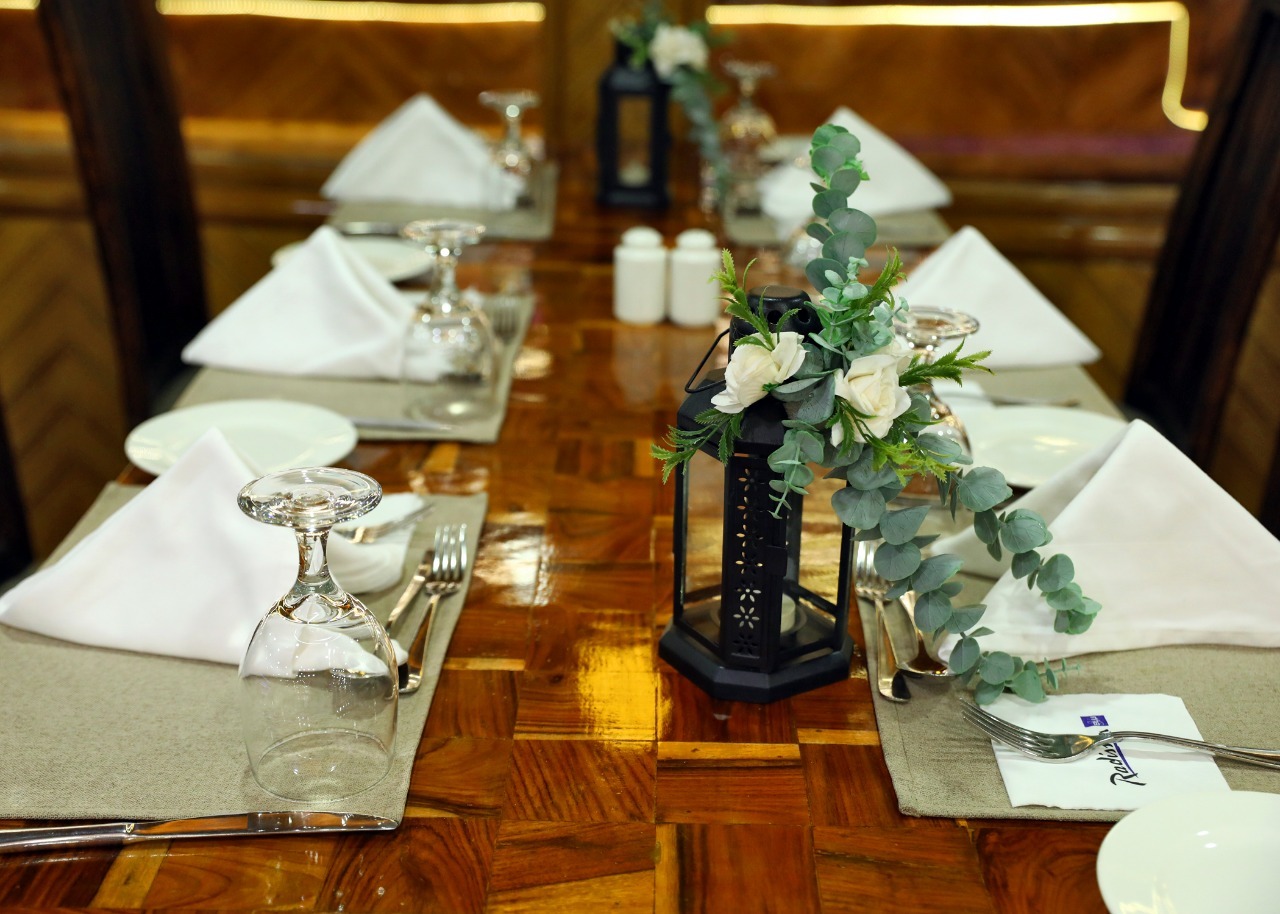
The food program across Dhow Cruise Dubai marina operators has improved in the last few years. The baseline buffet usually includes grilled meats like chicken tikka or kofta, a biryani or mixed rice, a pasta for the less adventurous, and a handful of salads such as fattoush, hummus, and coleslaw. Desserts lean sweet and familiar: umm ali, brownies, fruit. Premium cruises step it up with live carving, better seafood, and plated starters. The price difference shows up most in protein quality and service pacing, not in portion size.
The smart move is to eat in the gaps when the boat is stationary or moving slowly through photo-heavy areas. If you sprint for the buffet the moment it opens, you end up either eating too fast or missing the cleanest skyline angles. I like to do a reconnaissance pass, grab a small plate, then wait for the shift from inner canal to the harbor approach to fill a second plate. That way, you hit the key views and still catch the hot dishes while they are fresh.
If you have dietary constraints, notify the operator in advance rather than negotiating on the dock. Most crews can accommodate vegetarian and no-gluten needs with a day’s notice. Vegan options exist but can be basic unless you book a higher-tier operator that advertises it.
Entertainment and the soundscape
Many Dubai marina cruise boats include live music or a tanoura dance segment. Opinions vary. On a quiet weeknight, a single acoustic singer with familiar covers sets a nice tempo as the dhow glides along the reflections. On weekends, the sound system can skew louder, particularly on boats sharing the canal with others whose speakers bleed across the water. If you are sensitive to volume, choose the forward half of the top deck or the far corners of the lower deck where you can still see but step back from the speakers when you need to.
If you prefer a more contemplative sail, look for operators that emphasize “sightseeing” over “dinner and show” or select weekday early departures. The marina provides its own entertainment if you let it. Watching a paddleboarder slide through a corridor of glass at dusk feels inherently cinematic. Not every evening needs a mic.
Weather, seasons, and real expectations
Dubai splits roughly into three cruising moods across the year. From November through March, evenings are mild, sometimes breezy, and visibility tends to be crisp. April, May, and October bring pleasant warmth with occasional haze. From June through September, heat and humidity dominate after dark, but the water’s edge still comes as a relief compared to inland. Operators run year-round with climate control downstairs.
Haze is common. It softens the skyline and can flatten photos if you aim straight at distant towers. Work with it: shoot across the water at oblique angles to pick up depth, or focus on detail shots within the inner canal where haze barely registers. On rare evenings, a thin fog may curl around the towers in winter. Routes stay inside the marina then, and the results can be surreal, the top halves of buildings floating above an illuminated base.
Rain is rare but not mythical. If a shower is in the forecast, call ahead to confirm the route and deck setup. Upper decks have canopies, but wind-blown rain can find you. Lower deck dining then becomes the clear choice.
Pricing, value, and the small print
Prices vary widely, from budget-friendly shared tables to premium, semi-private packages with à la carte menus. The cheaper offers often look similar on paper but differ in headcount per sailing and how the crew manages flow. A crowded buffet with a stressed crew can shrink your window for easy viewing. Paying a bit more for an operator that caps capacity or allocates wider table spacing is worth it if you care about the route experience as much as dinner.
Watch for add-ons: window-side seating, top deck guarantees, and drink packages. The window supplement on the lower deck pays off only if you plan to linger at the table. If you are likely to roam for photos, save that money. On the top deck, rail seats go first. Arrive early, and bring a patient, friendly disposition at boarding. Crew remember considerate guests, and that goodwill often translates into smoother seat changes mid-cruise.
Transfers are convenient but not essential if you are staying near the tram or metro lines. If you are coming from Downtown, factor 30 to 45 minutes by taxi in light traffic, longer on Thursday and Friday evenings. Aim to reach the marina 20 to 30 minutes before boarding to avoid rushed check-in and to give yourself time to orient around the pier.
A mental map of the standard route
Here is a straightforward picture to carry in your head. You board near Pier 7, facing inward toward the canal. The dhow pushes off, tracks along the southern curve past Marina Promenade, swings under a footbridge, and glides toward Cayan Tower along the northern arc. It loops past residential clusters, doubles back near the marina’s eastern end, then heads steadily westward, aligning the canal with the opening toward JBR. If conditions permit, the dhow nudges outside the breakwater for a coastal angle, frames Bluewaters and Ain Dubai, then turns back toward the marina entrance. The final leg replays favorite angles with full darkness lit, then ends back where you started, with the restaurant tower glowing like a beacon.
Within that loop, variations add flavor. Some operators extend the outside portion toward Skydive Dubai’s landing zone for a wider cityscape. Others linger longer near Bluewaters for photos. A few take an inner cut that brushes closer to Marina Mall for a quick retail-lit backdrop. The pace is calibrated to a two-hour dinner window, which sounds long until you realize how quickly the light changes and the skyline rearranges itself.
Practical moves that pay off
To keep this grounded, here is a compact checklist to make the most of your Dhow Cruise Dubai marina evening.
- Book the earlier departure if you care about twilight color, the later if you want neon intensity and a livelier crowd. Choose upper deck for views and breeze, lower deck for climate control and steady dining. Eat in two small passes instead of one big plate, timing the second pass for slower route segments. Move sides of the deck as the dhow turns so you do not miss either the inner canal icons or the Bluewaters horizon. Carry a light layer in winter and water in summer; humidity and wind both show up more on the water.
Photography without fuss
You do not need a pro rig to leave with worthy shots. A modern smartphone does well at night if you steady it. Brace your elbows on the rail, let the image stabilize, and tap to expose for the highlights, not the shadows. Resist the temptation to zoom digitally. Step toward the bow or stern to change your perspective instead. Reflections work best when the water is smooth and your angle is low. If you shoot video, capture short clips as the dhow rounds corners; the motion cues the viewer’s eye and keeps files manageable.
For serious cameras, a fast prime in the 24 to 35 mm equivalent gives you clean night scenes without cranking ISO. Tripods are frowned upon on crowded decks, and the vibration from engines complicates long exposures anyway. A wrist strap and a lens cloth are more useful than extra gear. And please, mind the rail. Great photos are worthless if you drop your phone into the canal.
Common misconceptions, corrected
People often assume the dhow will sail past Burj Al Arab or circle Palm Jumeirah. That is a different set of cruises departing from Dubai Harbor or Jumeirah. A Dhow Cruise Dubai marina focuses on the marina canal, JBR shoreline, and Bluewaters. The value is in proximity and detail, not extreme distance covered. Another misconception is that the bigger boat means less motion. Within the marina, all boats move gently. Outside the breakwater, size helps a little but not as much as wind direction. Crew judgment matters more.
Some expect the food to rival a destination restaurant. That is not what you are buying. You are paying for a well-paced route through an illuminated city canyon while someone else handles the logistics. When the operator knows the waters, keeps the service tight, and charts the right arc near Bluewaters, the evening sings even if dessert is simple.
Personal notes from the water
The most striking minute I have had on a Dubai marina cruise happened on a winter night with a light fog clinging to the upper floors. As we rounded the northern arc by Cayan Tower, the top third of the skyline blurred into a floating line, and the water beneath flipped the image back into focus. Conversation around me slowed. You could feel the whole boat lean not physically, but attentively, toward the view. Then the singer, who had been working through a standard set, dropped volume and let the moment breathe. That is the right instinct. The marina knows how to perform. Sometimes the best thing the boat can do is get out of the way.
On another night, summer heat pressed even after dark. We stayed on the lower deck until the dhow reached the marina mouth, then stepped up for ten minutes of sea air that felt like a reset. The photos from that segment were the keepers: Ain Dubai ornamented the horizon, and the reflections along JBR sat still enough to read like brushstrokes. The trick was not fancy gear or special access. It was picking our moment on the route and moving our feet.
Booking smart, sailing smoother
If you are searching for Dhow Cruise Dubai options, look for operators who publish a clear route and contingency plan for wind. Reliable outfits state whether they aim for the breakwater when viable and how they adjust if they cannot. Reviews that mention consistent timing and courteous crew are more meaningful than raves about unlimited soft drinks. If the listing mentions a cap on capacity or assigned top-deck seating, that is a sign of an operator who has thought about flow.
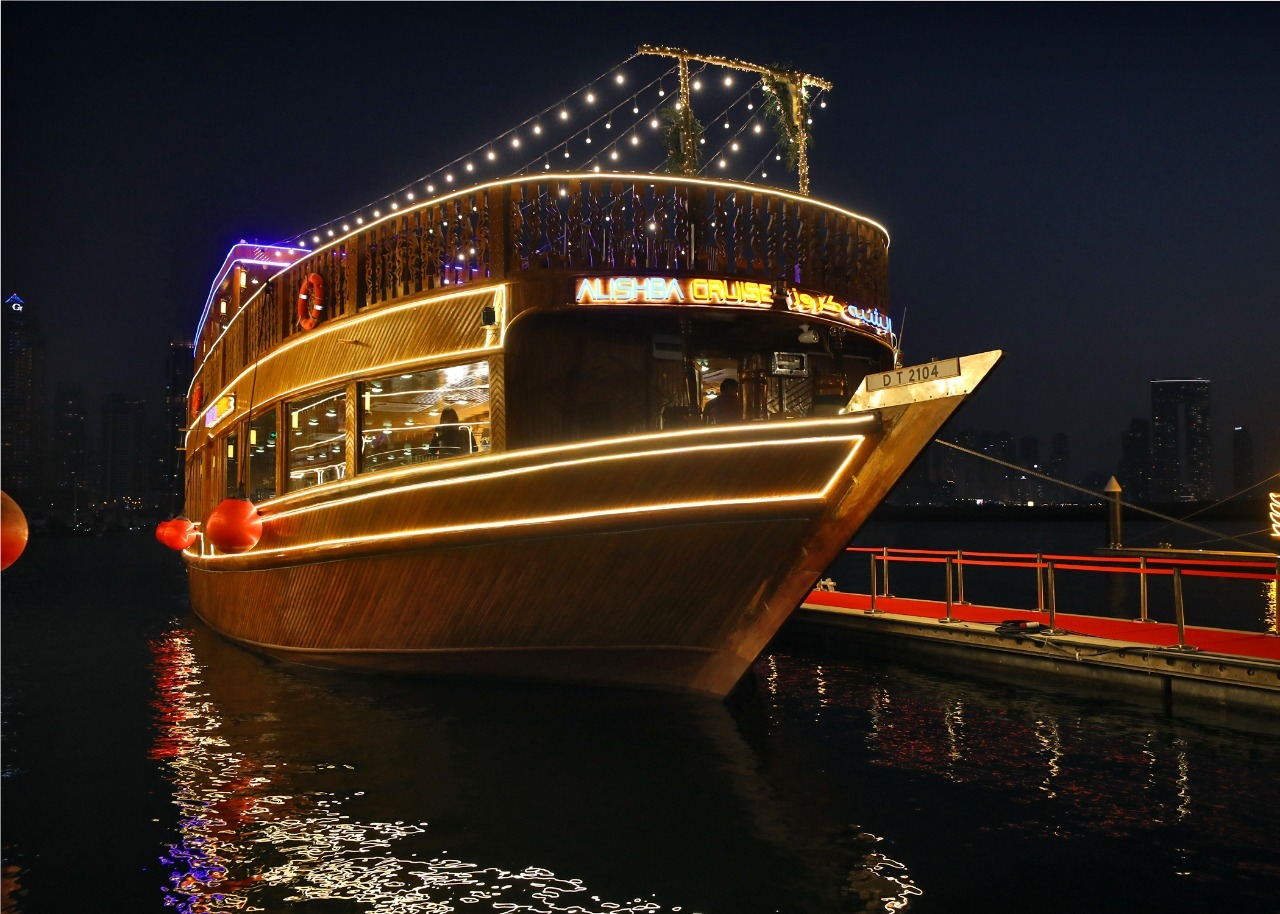
Avoid unrealistic expectations about exact minute-by-minute sights. The canal is a living corridor. You might pause under a bridge for traffic, or you might glide straight through with the water like glass. Build a little slack into your mindset, and the route repays you with serendipity. A row of kayakers under blue LEDs, a sunset that refuses to quit, a sudden fireworks test from a nearby hotel, these are the moments you remember, not the strict timestamp.
The route, summarized as an experience
A Dubai marina cruise is not about ticking off postcards as fast as the hull will move. It is about letting the city’s outer layer peel back. The route builds deliberately: intimate canal curves, a slow release toward open water, a broad view with Ain Dubai anchoring the frame, and a return through neon-filtered reflections. The dinner is fuel, the entertainment is seasoning, and the water is the stage. When people talk about Dhow Cruise agency Cruise Dubai marina as a must-do, they are not talking about a buffet on a boat. They are talking about how the skyline behaves up close when you give it time.
Map your evening with that in mind. Choose the light that suits your mood, pick a seat that works for the arc of the route, and move when the moment calls. The marina will do the rest.