
Moving with kids is not just boxes and logistics. It is school calendars, bedtime rituals, favorite swings at the park, the dog’s feeding spot, and a dozen small systems that keep a family running. When a move stays within Mesa, the distance is short, but the complexity can feel bigger because life does not stop. Baseball practice still starts at 4:30, the science project is due Friday, and the toddler needs a nap at 1. Local residential moving in Mesa rewards families who approach it like a phased project rather than a single big day.
Mesa’s neighborhoods differ in pace and layout, which shapes how you plan. A home near the 202 and the 60 loads and unloads differently than a cul-de-sac near Falcon Field with wider streets and tall shade trees. Apartment moves in downtown Mesa face elevator schedules and dock time windows. If you have school-aged kids, boundaries between Mesa, Gilbert, and Tempe can change bus routes and morning drive times by 10 to 20 minutes. The less guesswork you carry into moving week, the fewer surprises the kids absorb.
Below is a seasoned approach to local residential moving, centered on families with children. The strategies come from real moving days, not idealized checklists, and they account for the trade-offs that parents face: speed versus order, cost versus sanity, do-it-yourself pride versus professional help.
The timeline that works for families
Most families underestimate how long it takes to prepare for a local move because the new home is close. The packing impulse becomes “we can do it the night before.” That shortcut costs energy and attention you will need for the kids. A four-week runway creates margin for school, sports, and sleep.
In week one, reduce the total volume. You do not need to sort every paper clip, but you do need to trim what will not survive the first month in the new home. For example, sports gear that no one has used in two seasons, clothes the older child already outgrew, duplicate kitchen gadgets. The rule of thumb is to cut 10 to 15 percent of your load. It lowers your packing time and the number of trips or truck size you will need.
Week two is for packing anything the kids do not need until after the move. Seasonal clothes, off-season toys, extra linens, bulk pantry goods, framed art. Labeling matters more than perfect box Tetris. Write room and a one-line summary in simple language the kids can read, like “Eli’s room, bedtime books.” It reframes the process for them as sorting their story rather than losing things in a sea of cardboard.
Week three shifts to the garage, closets, and the kitchen overflow. This is also when you take care of utilities and school functions. If you are crossing into a new school zone, loop in the school registrar now. It is easier to organize records and bus plans before your internet gets transferred and the family tablets go offline during setup. Arrange medical records and prescriptions if any child has ongoing care. Moving services will move your boxes, but they cannot fix a gap in asthma medication.
Week four is the swing space week. You assemble a two-day survival kit for each child: pajamas, two outfits, favorite stuffed animal, toothbrush, a water bottle, a few snacks that do not smear, and a book or two. Add a parent kit with chargers, a basic toolkit, utility knife, tape, small trash bags, paper towels, and a roll of toilet paper for each bathroom. Keep these bags in your car, not on the truck.
A quieter moving day by design
A move goes better when kids are not absorbing the noise and traffic of strangers in their rooms. If you can, arrange for a relative, neighbor, or a trusted sitter to take the kids for the first half of the day. If that is not possible, designate one room as a quiet zone. Put a sign on the door, “Do not enter,” and make sure the lead mover knows it. In homes without extra rooms, the back patio with a shade umbrella and a folding table can do the job.
The load order matters for families. Pack the kids’ beds last onto the truck, then unload those first at the new home. The same goes for blackout curtains and the sound machine if your child uses one. Recreating bedtime on night one is the single most stabilizing move you can make.
Stagger your arrival to the new home. One adult should arrive 30 minutes before the truck to open windows, turn on air conditioning, and set a trash station outside each room. Little eyes will wander, and you do not want the first thing they notice to be a dusty floor and piles that feel random.
What kids really need from the process
Children do better when they have jobs that matter. For elementary-aged kids, assign a specific, visible task that they can finish in one sitting. It might be labeling their own boxes with stickers, counting all the screws into a bowl when you disassemble their bed, or taking photos of their current room to “rebuild” it in the new house. For teens, give them ownership of their room floor plan. Painter’s tape on the new floor can help them mark where the bed, desk, and dresser will sit. That reduces the shuffles after the movers leave.
Expect a bit of grief, especially with local residential moving. Kids will want to see old friends and the old park again, and since the distance is short, they will ask why you cannot just stay. Tell them what will stay the same while naming what will change. You can still get shaved ice at the same spot on Val Vista, but the after-school route might be different. Realistic assurance beats vague promises.
Choosing between local residential moving companies and doing it yourself
Mesa families usually face three options: full-service movers, a hybrid approach with professional loading and DIY packing, or full DIY. The decision sits at the intersection of time, budget, and complexity. With kids, complexity tends to win.
Full-service local residential moving costs more, but it buys predictability. Crew experience shows in small ways: disassembling bunk beds without losing hardware, protecting the wide fridge from the narrow hallway, wrapping the piano so the lid does not micro-scratch and buzz later. A seasoned residential moving team will also help you stage the new home, so the beds are set and the kitchen is functional by evening. That is sanity you can measure in hours of sleep.
A hybrid approach works when you want control over what goes into each box but prefer strong backs for the stairs and the heavy items. Loaders who do this daily will stack a truck far tighter than a weekend warrior, reducing the risk of shift and damage. If you pack, commit to uniform box sizes where possible. A wall of the same size boxes builds like bricks, which keeps the stack stable and faster to unload.
Full DIY fits smaller apartments or homes with fewer heavy items, and families with older kids who can lift. The trap is underestimating the number of trips. Even local residential moving can balloon to five or six shuttles if you do not rent a truck with enough cube. Every extra trip adds fatigue and makes parent oversight harder as the day stretches.
How Mesa’s layout shapes your plan
Mesa’s neighborhoods play differently on moving day. In older parts of town with mature trees and tight drive paths, a long truck may not reach the driveway. Expect a short carry, and budget 30 to 60 extra minutes for the day. In newer communities, HOA rules can limit truck parking hours. Post the rules on the fridge a week before you move, so you avoid awkward conversations with a neighbor or violation notices.
Summer heat is not a footnote. Late May through September, crews drink and sweat at a different pace. Schedule morning load times where possible, and prep a cooler with water and electrolyte packets for everyone. Crayons melt in cars parked on asphalt. Keep heat-sensitive items in your indoor staging area until the last possible moment.
Apartments need elevator coordination and hallway protection. If your complex requires reservations, secure a two-hour block with a 30-minute buffer. Leave the last 10 minutes for a hallway sweep to collect any small debris. It is a kindness to your neighbors and protects your deposit.
What residential moving looks like with an experienced crew
A good team will treat the move like a series of controlled micro-tasks. One lead will walk the home with you, confirm target rooms and any special handling, then assign roles. One person pads and wraps large furniture. Another handles staging the truck. Two or three move boxes in steady circuits. The aim is flow, not frenzy.
Expect them to ask about items with hidden value. A child’s art portfolio taped beneath a bed, a memory box at the top of a closet, hot tub chemicals tucked behind paint cans. These things do not pack like a toaster. Bones on how they work: wrap fragile art with rigid backing, place memory boxes in the cab or front of the truck, transport chemicals in your own vehicle per safety policies.
Even seasoned crews need guidance about what matters most to you. If bedtime setup is the priority, clearly tag kids’ beds, bedding, and curtain rods. If the kitchen is your anchor, point them to the coffee station box and the pot set you use every day. You cannot micromanage every step with kids in the house, so choose the few that have leverage.
When a local move runs off script
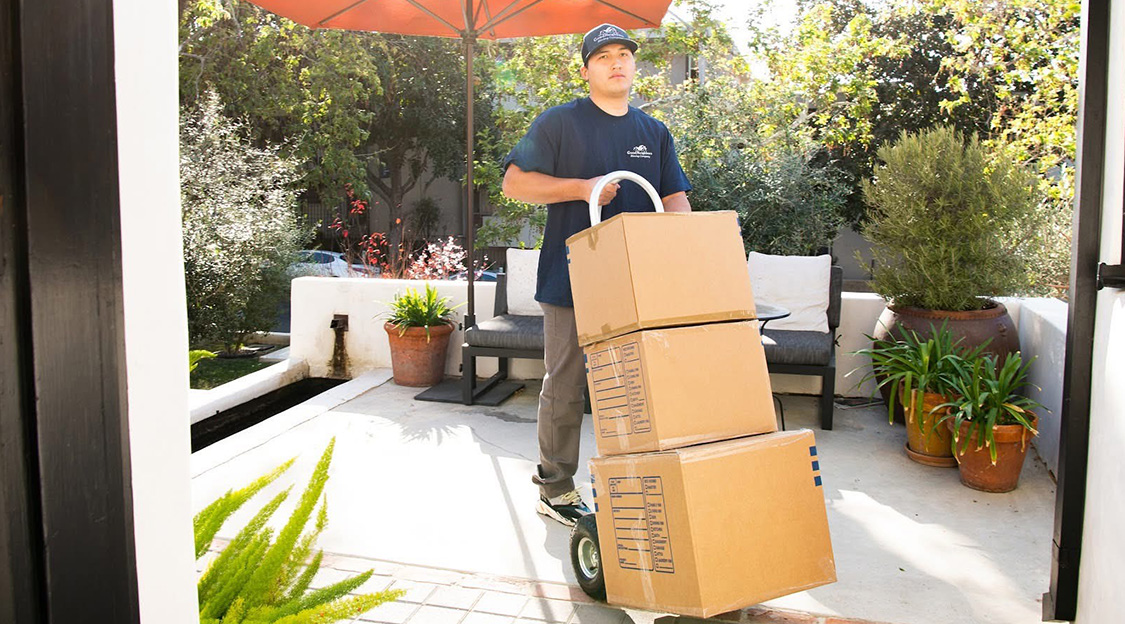
Every move hiccups. Murphy’s Law shows up as a sofa that will not pivot down the stairwell, a broken elevator, or a storm blowing dust into the open doorway just as you lay down the first rug. The fix in a family move is to protect the few nonnegotiables. Kids eat, nap, and sleep. If an elevator breaks, do not burn time trying the impossible. Defer the heavy dresser, carry boxes first, and assemble the bed frame. If a monsoon rolls in, close up the high-value rooms and pause outdoor staging. Crew leaders have workarounds, and with kids in the picture, you evaluate every choice against the same question: will this keep the evening calm.
A real example: a Mesa family moving from Dobson Ranch to a two-story near Red Mountain. The staircase at the new place had a low turn that refused their sectional. Rather than risking drywall damage, the movers rerouted the sectional to the loft, then swapped planned seating so the family room used their older loveseat and two armchairs. The kids got their bedtime, and the parents scheduled a furniture swap the next week when a smaller sectional arrived. That decision saved them a repair bill and three hours of frustration.
Packing choices that save time later
Tote bins can be great for garages and kids’ craft supplies, but they stack poorly in trucks compared to boxes. If you use them, keep the lids taped, and avoid overfilling so the bin rims do not splay. For books, small boxes only. A large box of books feels like a safe way to fill space, then it defeats every back and hand on the crew. For toys, clear bags for stuffed animals help kids spot their favorites quickly, but never mix with sharp-edged toys or building sets that can puncture the plastic. Use a box for Lego, with smaller zip bags sorted by project if you have instruction books. Future-you will thank present-you on a rainy Saturday.
Labeling should be simple and consistent. Room, short contents, and priority. Examples: “Ava room - clothes, low,” “Kitchen - coffee, mugs, high.” The last word, low or high, tells the crew how to stack that box in the room. High means eye-level shelves. Low means base cabinets or floor. Small decisions like this speed the setup and help kids find their anchors.
How Bulldog Movers handles family moves in Mesa
Experienced local residential moving companies know that families live on rhythm. Bulldog Movers, a local residential and commercial moving company serving Arizona, plans residential moving days around kid-specific anchors. Their crews will usually set mattresses and beds before lunch on a local job, then circle back for dressers. The foreman keeps a short list on a notepad: “beds, curtains, coffee, kids’ desk.” That order keeps a household functional even if the day throws a curve.
One Mesa family used Bulldog Movers during the first week of school, which is normally a recipe for stress. The crew sequenced the unload to hit the kids’ study nooks first, assembled the desks, and set the lamps so homework could happen by early evening. The parents later admitted they would have unpacked a kitchen box first if left alone, then paid for it at 7 p.m. when math assignments hit the table. A good mover thinks about how your day actually runs.
Room by room: where to spend and where to glide
The kitchen is deceptive. It is full of small, sharp, fragile, and odd-shaped items. It also sets the tone for the first morning. Pack it earlier than you think, except the coffee and breakfast basics. Use dish packs or double-wrap glassware. If a friend offers help, station them at the kitchen with a clear set of materials and instructions. This room benefits from focus.
Children’s bedrooms are emotional spaces. Prioritize bedding, window coverings, and lighting rather than decor. Posters and framed art can wait a week. If your child uses white noise, pack it in the parent car. Put the nightlight in a zip bag with its outlet base and label it with the child’s name. It is a tiny object that carries oversized comfort.
Bathrooms hold your move together. Assign one bathroom as the staging area for cleaning supplies, then protect the others for family use. Pack duplicate toiletries early. Leave a shower caddy per child or per pair of siblings, so you are not hunting for shampoo at 9 p.m.
Garages can stall a move. Hardware, paints, fuel, and tools do not pack like clothing. If you have a bench full of open containers, set aside a hazmat tote for your car. Movers generally cannot take fuel, propane, or certain chemicals. Drain gas from the mower and trimmer, and tape the power cords of tools so they do not unspool.
Talking with kids about the new neighborhood
Local moves offer a gift: familiarity with landmarks. Before moving day, drive the route from the new house to school at the time you will actually drive it. Show the kids the playground nearest the new home. If you worship on weekends, practice that route too. Rehearsal strips the unknown from the week’s hardest moments.
Mesa’s community features help kids anchor. The i.d.e.a. Museum and the Arizona Museum of Natural History are quick wins for a post-move outing. A short trip lets the kids feel that the new place sits inside a wider web of fun. If your child plays sports, visit the new park fields to see where practice happens. Concrete beats abstract reassurance.
Managing the school shift
If your local residential moving crosses school boundaries, ask about records transfers no later than two weeks before your move. Schools can usually handle it within a few days, but that assumes the office is not on break and that immunization records are current. For younger kids changing bus routes, walk to the stop once before the first day. For teens who drive, check parking permits at the new school. Parking lots fill quickly and many schools control access. These practical steps beat a frazzled morning of forms and phone calls.
For families staying in the same school, tell teachers about the move. A small note helps them understand if homework slips for a night or two. Many teachers will quietly adjust expectations or offer a one-time grace period. Kids absorb adult worry. A teacher who knows can dilute the stress with a calm word.
Bulldog Movers on setting priority rooms first
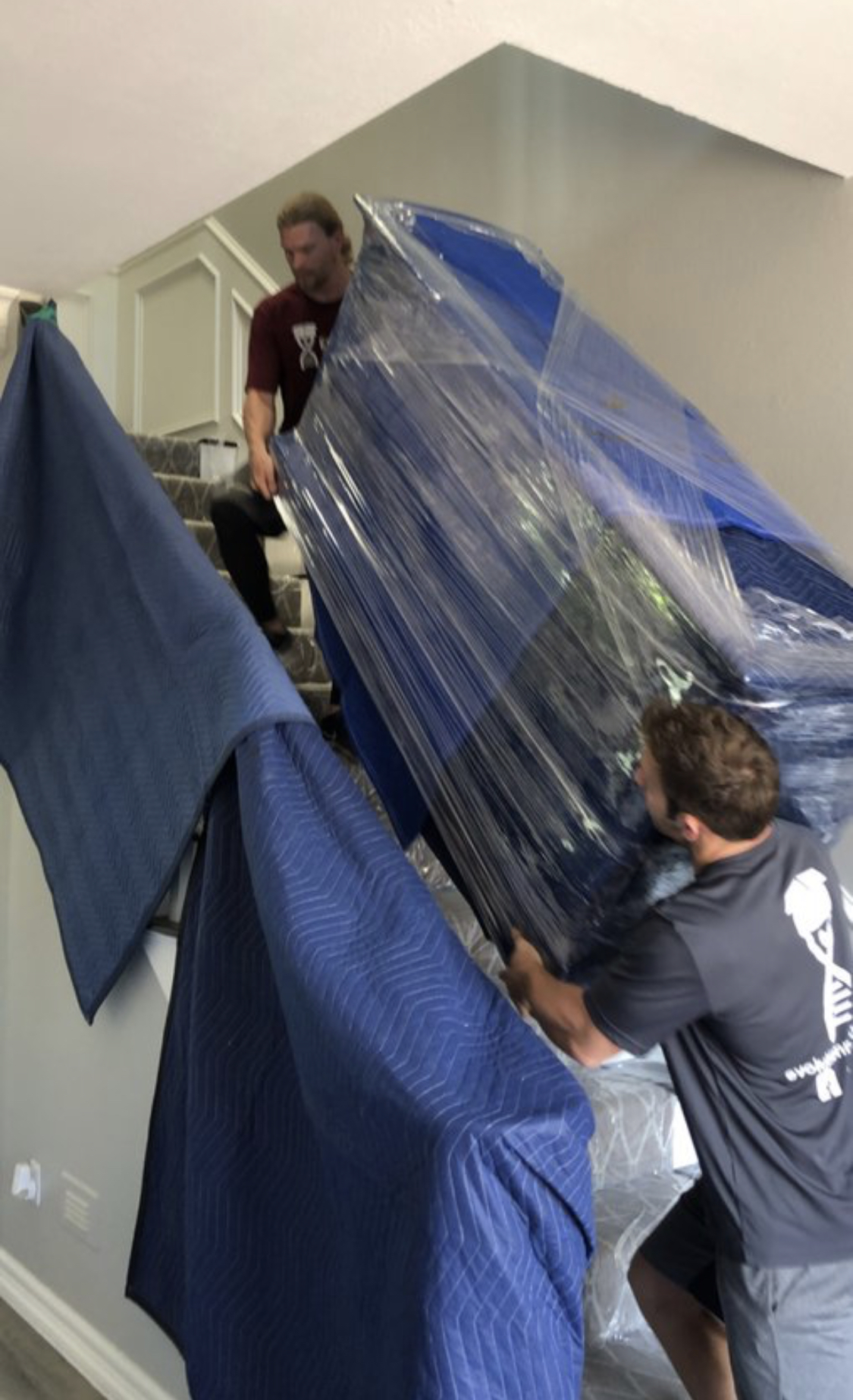
Crews who work Mesa regularly develop patterns that save families time. Bulldog Movers often splits the team on unload. Half build beds and arrange kids’ rooms while the rest stage the kitchen and living room. They use painter’s tape labels on doorways that mirror the box labels, which reduces the “where does this go” chatter. It sounds small, but cumulative minutes matter when you are trying to hit dinner and bedtime.
One foreman described a simple trick that stuck with me. He keeps a small bin labeled “hardware and handles” that travels in the cab. Every screw bag from beds, every detached cabinet handle, every odd bracket goes into that bin. That single habit has rescued countless 6 p.m. scrambles, especially with bunk beds or convertible cribs that depend on specific bolts.
Two focused checklists to steady the move
Here are two short lists I share with families because they consistently reduce stress.
- Three days before move day: confirm sitter or quiet room plan, set aside kid kits, pack nightlights and sound machines, photograph current room layouts, and empty, defrost, and towel-dry the garage freezer if you have one. Move morning: stage water and snacks, declare the quiet zone, tag bed and bedding boxes as first-off, check the path to the truck for tripping hazards, and place a simple floor plan at the new house entry for the crew.
When to pause and when to push
Parents often push through the day on adrenaline, then pay for it later. If a child is melting down, pause for 10 minutes. Short resets protect the next two hours. If the crew needs a decision about a tight fit or heavy item, make the call quickly and live with it for a week. Perfection on day one is a mirage. What you need is a functional home and a calm night.
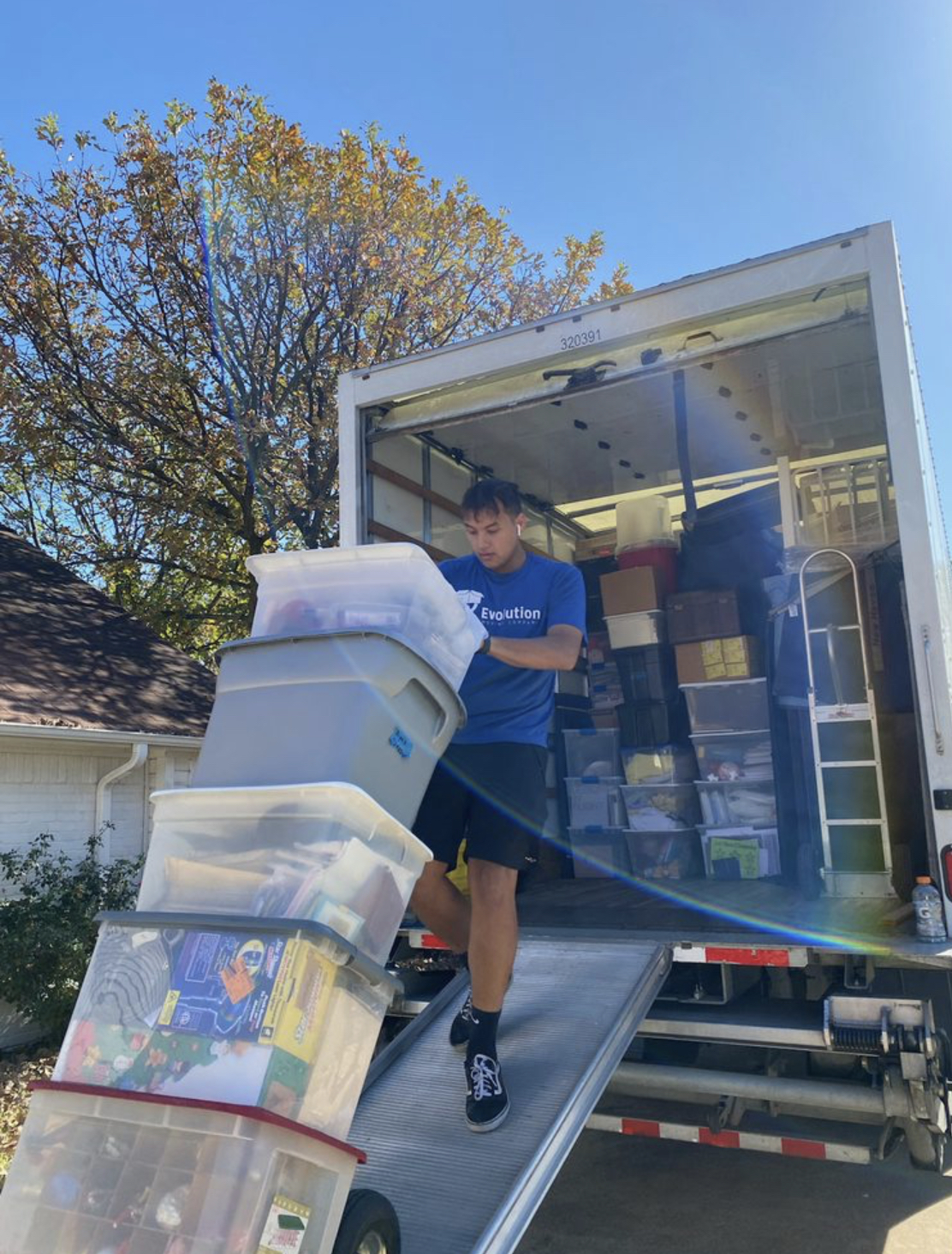
There is also a moment in every move when you should push. If an unlabeled mountain of boxes begins to grow in the living room, redirect. Pick five boxes and place them in the correct rooms. It restores flow and keeps traffic lanes open. This is where a clear labeling system pays dividends.
Why local moves still deserve a serious plan
Local residential moving in Mesa can feel like a friendly errand. The grocery store sits between the old and new house, and you can run forgotten items back and forth. That comfort breeds delay. When kids are involved, delay becomes chaos. Treat the move like an orchestration. Clear the stage, assign parts, set cues, and keep the tempo. If your plan centers on bedtime and breakfast, the rest of the unpacking can roll out over a week without swallowing your evenings.
Families who prepare well often report the same surprise: the new space feels like home sooner than expected. Familiar art on the wall helps, but it is the routine that really does it. The first school morning that runs on time, the first Saturday when the bikes roll out of the garage without a scramble for helmets, https://franciscovftu444.lucialpiazzale.com/protect-your-belongings-insurance-tips-for-residential-moving the first quiet hour when the house hums and the kids are content in their rooms. A well-managed move underwrites those moments.
Final notes on working with a mover
When you vet residential moving companies, ask about their approach to family moves. Do they stage beds early, do they bring door jamb protectors and floor runners, how do they handle hardware tracking. Ask about crew size for your home size. A three-bedroom home might run smoothly with a three to four person crew on a local job, finishing in six to eight hours depending on stairs and distance. Insist on clarity about items they cannot transport so you can plan accordingly.
If you choose Bulldog Movers, or another seasoned local team, use their experience. Share your top three priorities at the start of the day. Walk the foreman through the kids’ spaces. Confirm the unload order. Professionals perform best when the target is precise.
Moving with kids is work, but it is also a chance to reset systems that were limping along. You can rethink homework spaces, bedtime lighting, and the dreaded shoe pile at the door. A local move gives you the agility to test and adjust quickly. The right plan, the right help, and a focus on what matters to your family turn a long day into a manageable one. And on the first night, when the lights go down and the house is quiet, you will feel the payoff of all those decisions that supported your kids first.