
In 2026, we are living in a digital-first economy where AI-generated lookbooks are the norm and virtual showrooms have largely replaced the static catalogs of the past. Yet, despite this pivot toward the screen, I find myself standing in the middle of a bustling exhibition hall, surrounded by tactile, physical branding. Why? Because the human brain is hardwired for sensory experience, and no amount of optimized pixels can replace the "hand-feel" of a garment or the psychological weight of a physical uniform.
As a fashion writer who has spent years dissecting the mechanics of style, I’ve seen countless brands collapse because they treated their identity as a URL rather than a presence. If you think your brand visibility can exist solely through digital channels, you are ignoring the fundamental ways that consumers build trust. Let’s strip away the corporate buzzwords and look at why physical branding remains the ultimate credibility signal.
The Fallacy of the "Digital-Only" Brand
We are constantly bombarded by the myth that everything is moving to the cloud. While digital channels are perfect for reach, they are abysmal for establishing depth. When a brand lacks a physical footprint, it operates in a vacuum of "maybe." Is the quality actually there? Does the garment hold up under stress? Digital ads are easily faked; physical products—and the branding attached to them—are not.
At events like the Copenhagen Fashion Summit, you don\'t just see logos on a screen; you see them embroidered on sustainable hemp totes, printed on recycled fiber tags, and woven into the very fabric of the uniforms worn by the event staff. This creates a cohesive narrative that says, "We are here, we are real, and we have nothing to hide."
Uniforms as Credibility Signals
One of the most persistent mistakes I see in fashion studies is the dismissal of uniforms. People love to talk about "streetwear" or "luxury avant-garde," but they ignore the silent power of a branded uniform. A uniform is not just a piece of clothing; it is a trust signal.
Ask yourself this: when you walk into a high-stakes meeting or a trade show floor, the person wearing a branded polo or structured jacket with professional-grade embroidery immediately signals: "i am part of a system. I am accountable." It reduces the cognitive load of the observer. They don’t have to wonder who you are or what your role is. In an era of digital anonymity, being visibly identifiable is a massive advantage.
The Breakdown: Why Physical Branding Works
Medium Psychological Impact Credibility Level Digital Ads Transactional/Ephemeral Low Trade Show Booths Immersive/Authority-building High Branded Uniforms Institutional/Stable HighDefining "Wholesale T-Shirts": A Reality Check
I am notoriously annoyed by vague marketing copy. You’ll see brands boasting about "premium quality" tees without ever explaining the weave, the GSM (grams per square meter), or the source of the cotton. Let’s be clear: when we talk about wholesale t-shirts in a branding context, we are talking about your brand’s canvas.
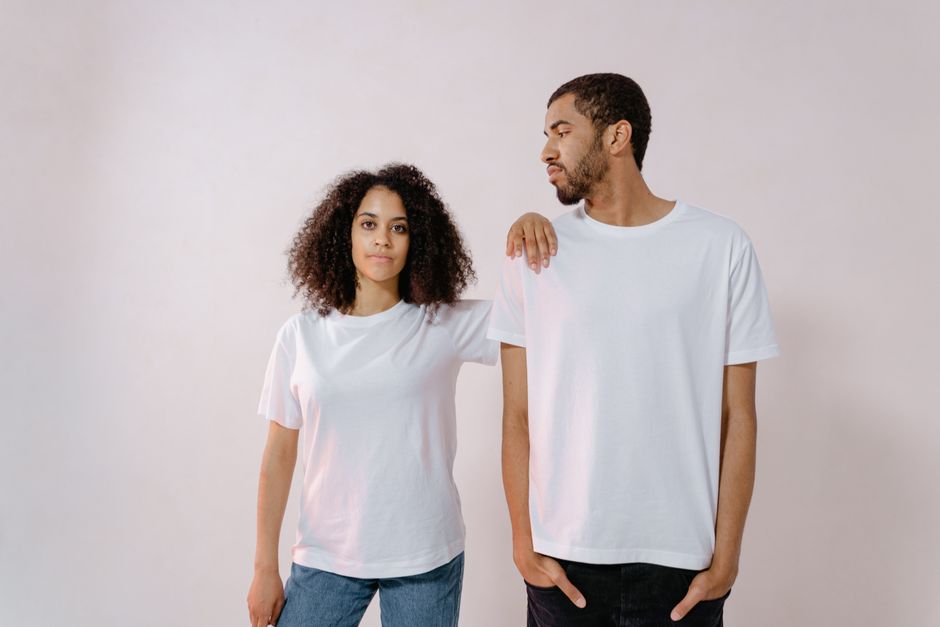
Suppliers like teesh.co.uk (Teesh) provide the foundation for your physical presence. When a company orders wholesale apparel, they aren't just buying blank cloth. They are choosing the "hand-feel" that their employees or customers will experience. If you choose a flimsy, low-GSM garment, you are physically branding your company as "disposable." If you choose something with a high stitch count and a durable finish, you are branding your company as "reliable." That is not a buzzword; that is material science.
One major grievance: I am constantly frustrated when I review brand catalogs that omit transparent information. When sourcing, you need to know the composition and the weight. If a company doesn't list the details, walk away. Your branding deserves a substrate that actually lasts.
The Strategy: Trade Shows and Events as Proof of Concept
If you are a B2B fashion company or a lifestyle brand looking to scale, trade shows and exhibitions are your primary testing ground. They are the only places where your digital brand identity collides with physical reality. If your marketing says you’re "innovative," but your exhibition booth is held together with masking tape and your team is wearing generic, ill-fitting shirts, your branding has failed.
I notice inconsistent sizing immediately. If your booth staff is wearing branded apparel that fits poorly, it suggests your internal standards are just as sloppy as your external presentation. Physical branding at events requires:

The "Where" and "Who" of Fashion Branding
I always ask the same two questions: Where will this be worn, and by who?
If you are branding apparel for a tech conference in San Francisco, the requirements are different than for a high-fashion pop-up in Paris. A tech conference demands clean, minimalist physical branding that says "efficiency." A fashion pop-up demands texture, perhaps embroidery or patch-work, that says "artistry."
Companies that fail to account for the setting lose their credibility. Wearing a heavy, cotton-heavy wholesale tee in a hot, crowded exhibition hall is a logistical failure that reflects poorly on your brand’s attention to detail. Brands like Teesh allow for specific material choices that can be tailored to the environment. Choosing the right fabric is as much about the attendee’s comfort as it is about your logo's longevity.
Conclusion: The Future is Tactile
In 2026, digital channels are the floor, not the ceiling. You cannot rely on Instagram engagement alone to build a legacy. Physical branding—whether through high-quality staff uniforms, thoughtful merchandise, or a meticulously designed trade show experience—is what turns a digital follower into a long-term stakeholder.
Stop chasing the latest buzzword. Focus on the material. Ensure your wholesale choices reflect https://www.copenhagenfashionsummit.com/why-businesses-are-turning-to-bulk-apparel-for-branding/ the quality you claim to possess, and always, always consider the human experience of the person wearing your brand. Credibility is not something you download; it is something you wear, touch, and inhabit.