
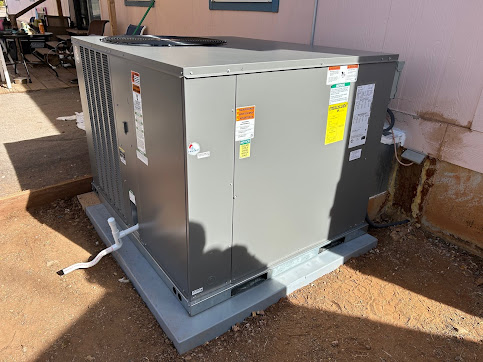
When the air stops blowing cold in Sierra Vista, the house heats up fast. Our mix of high desert sun, monsoon humidity, and dust can overwhelm an air conditioner in a single afternoon. I have hauled ladders into backyards at 6 a.m. and crawled out of attics after sunset on countless summer days in Cochise County. The pattern repeats: a small, solvable issue gets ignored until it snowballs, or an unusual weather day exposes a weak link. The good news is that most no-cooling calls follow a short list of causes. With a clear head and a little guidance, you can stabilize the situation and decide whether this is a quick homeowner fix or a job for a licensed HVAC company.
First, stabilize the home
Before you troubleshoot the system, reduce heat load. Close shades on south and west windows. Switch ceiling fans to rotate counterclockwise and run them on medium to keep air moving without creating a drafty roar. Keep exterior doors shut and pause heat-generating chores like baking and laundry. Every degree you prevent from building indoors gives your system breathing room and protects pets, electronics, and food in the fridge. In Sierra Vista, indoor temps can jump 8 to 12 degrees in an hour if you do nothing. Buying time matters.
If anyone in the house is heat-sensitive, set up a temporary cool zone with a portable fan, ice packs, and plenty of water. I have seen more than one family wait out a fix in a single shaded room and feel fine, while others try to “tough it out” in a hot house and end up woozy. Use common sense.
Quick safety checks before you touch the system
Air conditioners mix high voltage, moving parts, and refrigerant. Most homeowner checks are safe, but draw a boundary. If you smell burning, hear arcing, or see melted wires, cut power at the breaker and call for professional ac repair immediately. If you see iced refrigerant lines or the outdoor unit encased in frost, do not keep forcing a cooling call. Ice is a symptom, not a solution. Shut it down so it can thaw and avoid damaging the compressor.
Also, if you are in monsoon season and lightning is active in the area, wait for the storm to pass before heading outdoors to the condenser. I have stood beside condensing units that took a surge via the utility line even while the lightning was miles away. Your safety comes first.
A focused sequence that solves most no-cooling calls
When homeowners call our office, we guide them through a specific order. It catches easy fixes and avoids making a small issue worse.
Set the thermostat to Cool, Fan Auto, and a target temperature at least 3 to 5 degrees below the current indoor temperature. Confirm the display is live. If it’s blank, replace the batteries even if they were changed “recently,” because recent often means a year or two ago. Smart thermostats often run on a C-wire, but they still have internal batteries or a backup that can fail.
Check the breaker panel. Most homes have two relevant breakers: one labeled AC or Condenser for the outdoor unit, and one for Air Handler or Furnace for the indoor blower. Both must be on. If either tripped, flip it fully off, then back on once. If it trips again, stop and call an HVAC company. Repeated trips point to a shorted component, failing capacitor, or compressor issue.
Inspect the air filter. Pull it and hold it up to a light. If you cannot see light through at least 30 to 40 percent of the surface, it is clogged. Replace it with the correct size. In Sierra Vista, fine dust acts like a slow-moving blanket on filters. I recommend checking every 30 days during May through September, even if the packaging claims 90 days.
Listen at the indoor unit. You should hear the blower start within a minute of calling for cooling. If the blower runs but the air is warm, your outdoor unit may be offline. If the blower does not run and you know the thermostat is alive, a blower motor, control board, or low-voltage fuse could be the culprit.
Step outside to the condenser. You should hear the fan spinning and a steady hum from the compressor. If the top fan is not spinning but you hear a hum, a weak run capacitor is likely. If nothing runs at all, check the outdoor disconnect: a gray box on the wall near the unit. Open it and verify the pull-out is seated properly. Some disconnects use fuses that can blow during a surge. Do not bypass a blown fuse, and do not stick your fingers inside with power on.
Those five steps, done in that order, resolve a surprising share of no-cooling situations without tools. If you get this far and still do not have cooling, you have narrowed the field to specific mechanical or refrigerant issues that need trained diagnosis.
Sierra Vista quirks that drive AC problems
HVAC techs in the valley and the coast see different failure patterns than we do. Our high desert climate shapes the issues.
Dust intrusion. Fine dust gets everywhere. It packs itself into evaporator coils and squeezes between the fins of outdoor condensers. A half-matted coil can cost you 10 to 20 percent capacity, which is the difference between holding 76 indoors at 4 p.m. and falling behind. I have cleaned coils that looked passable from the outside but were loaded two fins deep. If you have pets, double that rate.
Monsoon moisture. Humidity jumps and wind-driven rain force systems to work harder and can reveal marginal electrical parts. I see more capacitor failures after the first true monsoon week than in the prior two months combined. Water splashing into a poorly sealed disconnect can also trip fuses.
Roof package units. Many Sierra Vista homes have package units on the roof. Access is trickier and heat up there is brutal by midday. If your system is rooftop, limit homeowner checks to filters and thermostat. Leave panel removal and coil cleaning to a pro with fall protection and proper tools.
Large day-night swings. Evening temps can drop 20 degrees. A well-programmed thermostat uses setbacks wisely, but aggressive overnight setbacks can force a long recovery run on a system already dirty or low on charge. If your AC struggles every morning to pull from 80 down to 74, consider a smaller setback like two to four degrees.
The filter and airflow, explained like a tech would
A clogged filter will not just reduce airflow, it can freeze the evaporator coil solid. The coil temperature dips below freezing because there is not enough warm air moving across it to absorb heat. Ice forms, air slows further, and you get the dreaded warm airflow from vents. Homeowners sometimes think more run time will push through the issue. It will not. Shut the system off at Cool and run the Fan for 30 to 60 minutes to melt the ice. If you see frost on the refrigerant lines outside, let it thaw fully before calling for cooling again. Then install a clean filter, and note the date.
Filter selection matters. High MERV filters catch more dust but they also add resistance. In a tight duct system with a strong blower, MERV 11 to 13 can be fine. In older homes with undersized returns or long flex runs, a high-MERV filter can starve the system. I often recommend a MERV 8 to 10 pleated filter for most Sierra Vista homes, changed monthly during dust season. If allergies are a concern, consider a media cabinet upgrade that increases surface area so you can have both high filtration and good airflow.
Capacitors, contactors, and the outdoor fan
Most homeowners do not think about capacitors until theirs fails on the hottest day of the year. A run capacitor helps motors start and stay spinning. When it weakens, the fan may stall or the compressor may hum and trip. A telltale sign: you hear a low hum at the condenser, but the top fan blade sits still. Do not push the blade with a stick. That can start it briefly and finish off the motor. Safety aside, if a capacitor failed, the motor may have been operating off-spec for weeks and is heat-stressed already.
The contactor is the relay that pulls in when the thermostat calls for cooling. Ants love warm electrical parts. I have opened dozens of condenser panels to find ant colonies across the contactor face, preventing a solid connection or welding the contacts. A quick cleaning and a new contactor often restore operation. If you have regular ant activity around the pad, keep granules or baits in a small perimeter, but avoid spraying into the electrical compartment.
These are routine ac repair parts, but they are not universal. Capacitors come in specific microfarad ratings and voltage. Guessing wrong risks motor damage. If you do not have the part and a meter, call a local HVAC company and tell them your unit make, model, and the symptoms you observed. That helps the tech arrive with the right gear.
Refrigerant issues, and what you can and cannot do
Low refrigerant charge does not cause warm air instantly. It shows up as long runtimes, weak vent temperature drop, sometimes coil icing, and a system that holds temp only at night. Leaks often begin as slow seeps at flare fittings or rubbed copper, then accelerate. Without gauges and a scale, you cannot diagnose or correct this properly at home.
You can, however, do one meaningful check: measure the temperature drop between return and supply. With the system running 10 minutes, place a reliable thermometer at a main return grille, then at a nearby main supply vent. A healthy system in dry conditions typically shows a 16 to 22 degree drop. During muggy monsoon days, you might see 14 to 18 because latent load eats capacity. Numbers outside those ranges hint at airflow or refrigerant problems. Record your readings and share them with the technician. It speeds diagnosis.
If your system uses R‑22 and the equipment is over 15 years old, think carefully before paying for another top-off. R‑22 is phased out and expensive. In that case, repairing the leak and recharging can cost a large fraction of a new, efficient system. I have helped homeowners save money by shifting to replacement strategically instead of feeding an ac repair near me old system that keeps asking for more.
Duct issues that mimic AC failure
Not all warm-air complaints are mechanical. Duct leaks pull superheated attic air into the supply or dump cool air into crawlspaces and chases. If one or two rooms are roasting while others feel fine, walk the accessible duct runs and look for separated collars, crushed flex, or gaps around plenums. In older homes, I sometimes find a return duct pulling from the attic through a torn boot, which fills the house with dusty, hot air. Sealing with proper mastic, not just tape, makes a noticeable difference in both comfort and bills.
Also, check that supply registers are fully open. It sounds too simple, yet I have driven across town to find a guest room vent closed by well-meaning spring cleaning, causing pressure imbalances that robbed the main living area of airflow.
When to shut it down and call a pro
There is a clear line between homeowner triage and professional service. If you see ice on the lines, repeated breaker trips, a burned smell, or the outdoor unit cycles on and off every few seconds, shut it down. Heat and humidity are hard on compressors. Letting a failing component chew itself for hours can turn a small repair into a major one.
Sierra Vista summers pack the schedule of every reputable hvac company, but most keep same-day slots for no-cooling emergencies. When you call, have this information ready: thermostat brand and model if you know it, the make and model of the outdoor unit, any error codes on the thermostat, breaker status, filter condition, and that return-supply temperature drop you measured. It is the difference between a blind visit and a targeted repair.
A short homeowner checklist for faster relief
Confirm thermostat mode Cool, Fan Auto, and a setpoint at least 3 to 5 degrees below room temperature. Replace thermostat batteries if the display is dim or blank.
Inspect and replace the air filter if light does not pass through easily. Note the date and size.
Check both breakers: AC/Condenser and Air Handler/Furnace. If a breaker trips again after a reset, stop and call.
Listen for the indoor blower and step outside to see if the condenser fan spins. If the fan is still but a hum is present, suspect a capacitor, and do not prod the blade.
If coils or lines are iced, switch to Fan only for an hour to thaw, then call for service.
This list is short on purpose. It keeps you safe and gives clear yes-no answers you can relay to a technician.
Maintenance that actually pays off here
I put coil cleaning and condensate management at the top for our area. Dust loads the outdoor coil from the first spring wind. A gentle rinse from inside out with coil cleaner makes a measurable difference in head pressure and runtime. Indoors, the evaporator needs attention every one to two years depending on dust and pets. Skip harsh pressure, use proper foaming cleaner, and protect the surrounding area. This is a professional service for most homeowners, especially with packaged units.
Condensate drains clog with biofilm. When humidity rises during monsoon, the system condenses more water. A simple trap flush with warm water and a small dose of enzyme cleaner every season prevents most backups. I suggest avoiding bleach in older traps and near metal pans, as it can degrade materials. Pan switches are cheap insurance. If your air handler or rooftop unit does not have a float switch, ask for one. It can shut the system down before water stains a ceiling.
Finally, address shading and pad clearance outdoors. A condenser needs 18 to 24 inches of clear space on all sides and two feet overhead. Trim oleanders and vines, and do not stack pool gear or bikes near the coil. Shade helps, but not at the expense of airflow. A light awning placed high above with open sides works better than a plant crowding the fins.
Real numbers: what to expect, what to accept
On a 105 degree afternoon with direct sun, a healthy, properly sized system in Sierra Vista should still deliver a 16 to 22 degree return-supply split and maintain indoor temperatures roughly 20 degrees below outside when the envelope is average. That means holding 78 to 85 depending on insulation, windows, and air leakage. If your home is older with single-pane glass and minimal attic insulation, do not expect 72 at 4 p.m. without serious runtime or upgrades. Newer builds or homes with upgraded attic insulation and low-E windows routinely beat those numbers.
If your system can hold temp in the morning and evening but drifts 2 to 4 degrees upward in the late afternoon, that is often a load issue rather than a mechanical failure. Consider a small setback in the morning, close blinds by noon, and let the system keep pace rather than playing catch-up.
Choosing the right help when you need ac repair
Not all contractors are equal, and when the heat spikes, the market fills with opportunists. A reliable HVAC company will ask specific questions during booking, arrive with common repair parts, and test rather than guess. They will measure static pressure, superheat, subcool, and amp draw before declaring a system “low on refrigerant.” They will talk through options if your unit is near the end of its life, not push a replacement on the first visit.
Ask about warranty on parts and labor. Thirty to ninety days on labor and manufacturer warranty on parts is common for repairs like capacitors, contactors, and motors. For larger work, like coil replacements, expect a more formal proposal with model numbers and performance data.
If you face a replacement decision, request a load calculation. Square-footage rules of thumb fail in our climate because orientation, window area, roof color, and duct leakage vary widely. I have seen a 1,650 square-foot home need anything from 2.5 to 3.5 tons depending on those factors. Bigger is not better. Oversized systems short cycle, struggle with humidity on monsoon days, and chew through parts.
A practical story from the field
Last August, a family west of Highway 92 called midafternoon: no cooling, house at 88, outdoor unit humming. The homeowner had already replaced his filter that morning but did not check the condenser. When I arrived, the condenser fan was still. The capacitor had swelled like a soda can left in the sun. Ants were also peppered across the contactor. I replaced both parts, rinsed the coil, and measured a 19 degree split within 15 minutes. We then walked the pad area and moved a woodpile that had been blocking one side of the coil by about 8 inches. That small change plus regular filter checks kept them steady through the rest of monsoon. The repair, including parts and cleaning, ran a fraction of what a compressor failure would have cost had they forced the system to run for hours against a stalled fan.
The point is not that every no-cooling call is simple. It is that small, specific checks catch many problems early. And when they do not, you will have the right information ready for fast, effective service.
Planning ahead for the next heat wave
If your system is 8 to 12 years old, think of maintenance as extending its prime. If it is older than 15, start a replacement plan before it becomes urgent. Pick two or three contractors you trust, ask for maintenance pricing, and request alerts for cancellations during heat waves. Keep a basic kit at home: spare filters, a reliable digital thermometer, a flashlight, and a small wet-dry vacuum for condensate cleanouts. Write your breaker labels in clear language rather than cryptic abbreviations. These small things pay off on the one day you need them.
Most importantly, do not ignore the early tells: louder startup, odd smells, uneven cooling, or a thermostat set to 74 that now needs 71 to feel the same. These are the whispers before the shout. A short service visit can catch a weak capacitor, a slow drain, or a matted coil before the sun turns your living room into a kiln.
When the air goes warm in Sierra Vista, act quickly and calmly. Stabilize the house, work through the focused checks, and draw the line where safety and good sense say to call. Reliable ac repair is not about luck, it is about timing and information. With both on your side, you will get your home comfortable again, and you will likely spend less doing it.