
School leaders often ask for one thing that would make every other initiative easier: calmer nervous systems. Reading scores, hallway behavior, peer conflict, teacher retention, attendance, family engagement, all of it moves when students and adults can sense safety, regulate, and connect. The Safe and Sound Protocol, or SSP, is one of the few tools that aims at the nervous system itself. https://marcoahak223.timeforchangecounselling.com/safe-and-sound-protocol-for-teens-building-social-safety When used thoughtfully in a school setting, it can reduce reactivity, expand learning readiness, and give educators a concrete, humane way to support students with trauma histories, sensory challenges, or chronic stress.
I have implemented SSP alongside counselors, occupational therapists, and school psychologists in diverse settings, from a high school learning lab in a large urban district to a K-5 rural program with a single counselor serving hundreds of students. It is not a silver bullet. It is a structured, time-bound, evidence-informed intervention that works best when it is woven into a broader web of support, including somatic experiencing practices, trauma therapy referrals where indicated, and staff who understand how stress shapes behavior. The gains come from consistency, careful titration, and a culture that values regulation skills as much as academic skills.
What the Safe and Sound Protocol actually is
SSP is a listening intervention based on Dr. Stephen Porges’s polyvagal theory. In simple terms, it uses specially filtered music to nudge the middle ear muscles and the brain’s threat-detection system toward cues of safety. When the nervous system perceives safety, the social engagement network comes online, making eye contact easier, voices sound more approachable, and learning less effortful.
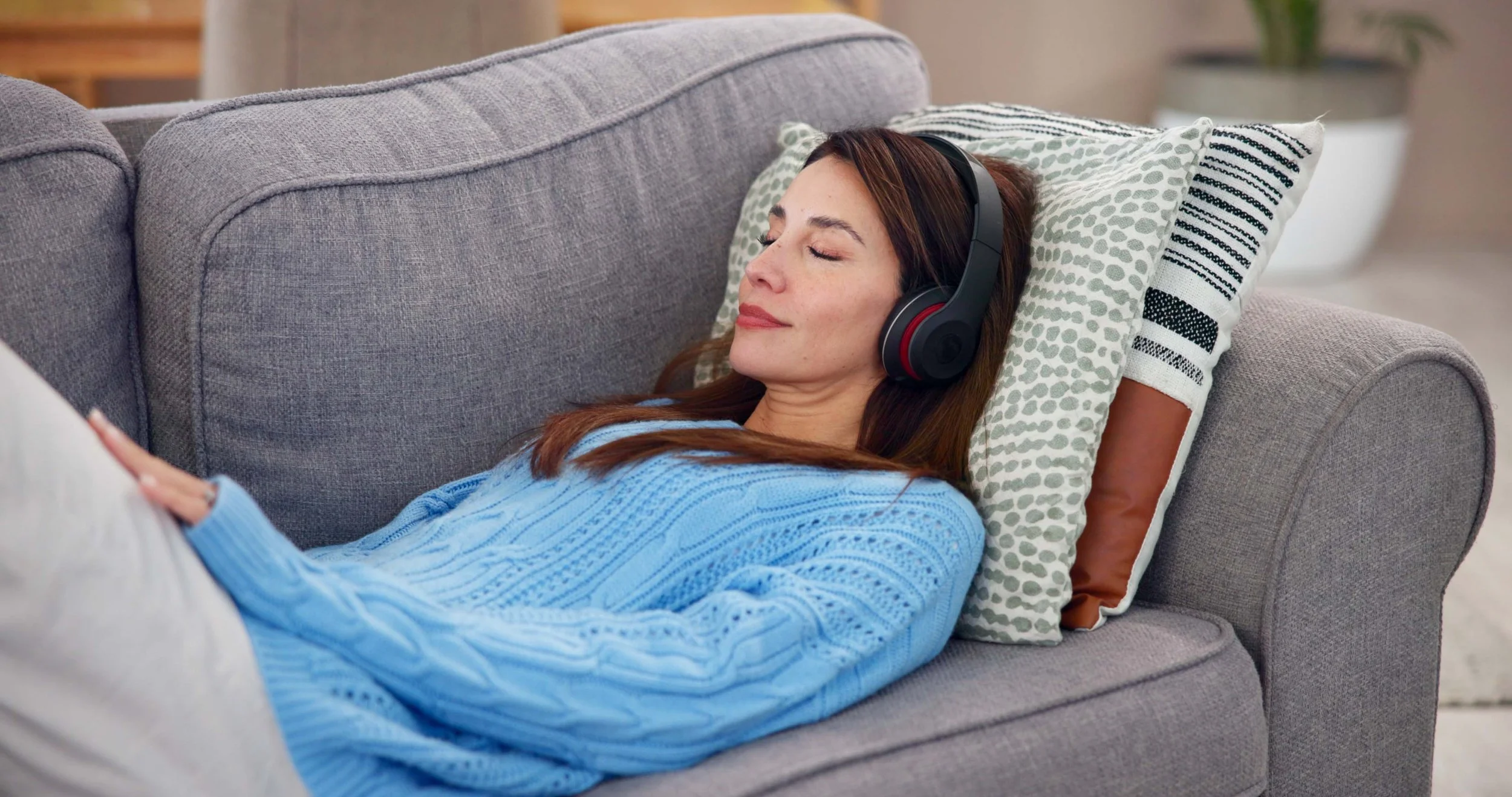
The core protocol typically includes about five hours of filtered music, delivered in short, paced sessions through over-ear headphones. Sessions can be as brief as five minutes, especially for younger children or highly sensitive students. Many schools spread the total listening over weeks instead of days, using a dose that matches the student’s capacity.
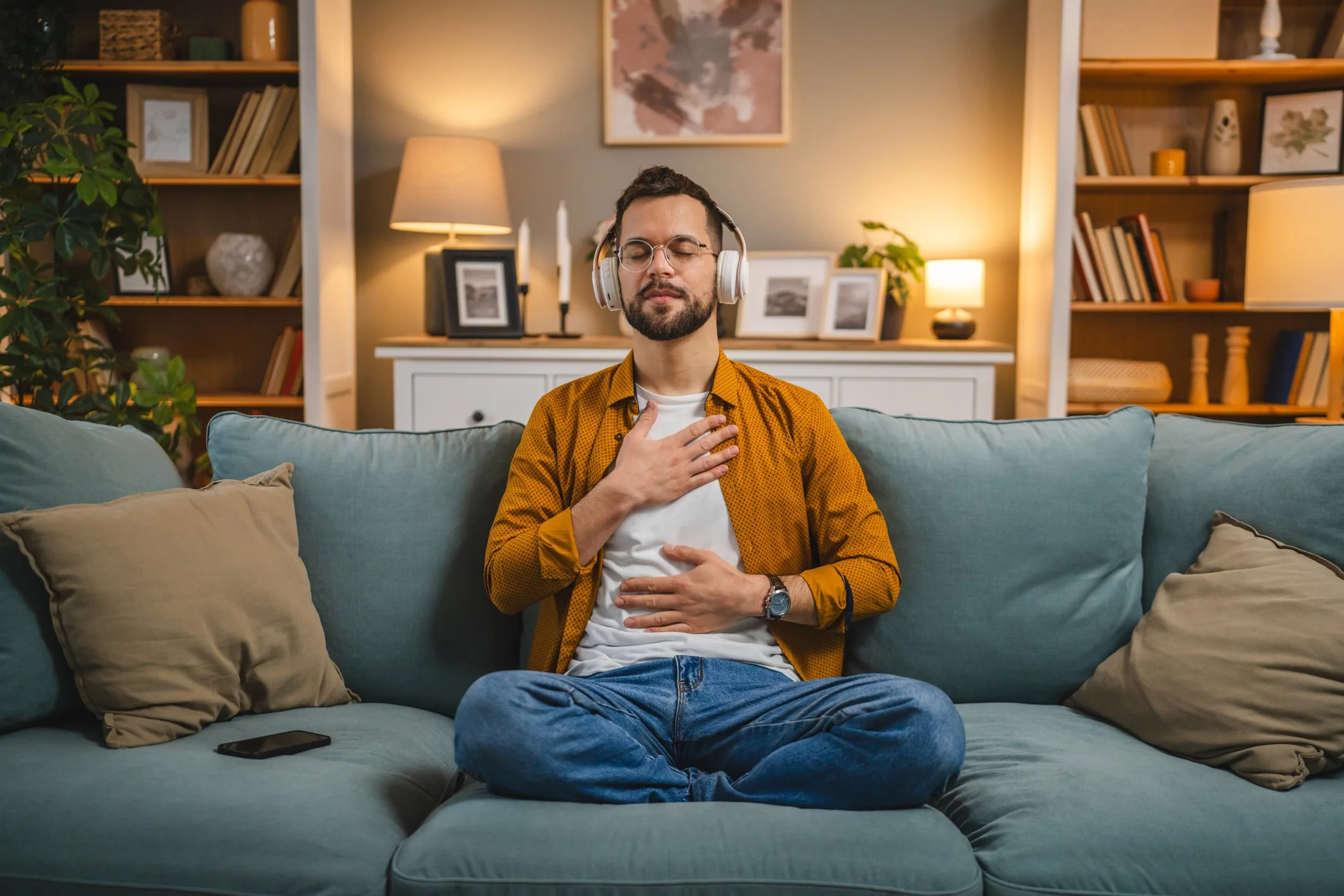
SSP is not a playlist that runs in the background of a classroom. It is a one-to-one or very small group intervention that requires attentive facilitation, tight observation of student state, and room for pauses. Students do not need to focus on the music. In fact, the ideal session involves light, pleasant engagement, such as drawing, building with blocks, playing a simple card game, or quietly sorting materials with a trusted adult present.
Why this matters in a school day
Two minutes can make or break a morning. When a student walks in activated, the first math problem can feel like a threat. A hallway comment lands hard. The teacher’s neutral tone is misread as sharp. The nervous system is doing exactly what it has learned to do, scan for danger. Traditional behavior plans push from the top down, relying on willpower and compliance. SSP and related regulation supports work from the bottom up, shifting physiology so that strategies like a deep breath or a visual schedule actually have a fighting chance.
When a school uses SSP well, staff notice quiet changes that compound: transitions get smoother, noise tolerance improves, peer proximity is less triggering, and the student seeks help earlier. This supports instructional minutes and reduces avoidable conflict. It also protects staff energy. Teachers can only co-regulate when their own nervous systems have room. A calmer student body gives that room back.
How SSP fits with integrative mental health therapy and school services
SSP is not a standalone therapy. It is one spoke in a wheel that includes counseling, occupational therapy, speech and language services, social work, and family supports. In an integrative mental health therapy model, SSP can act as an entry point that softens defensive patterns, making traditional talk therapy, trauma therapy, and skills training more effective. For students working with community therapists, schools can coordinate timing so that SSP sessions precede therapy, increasing access to emotional range and memory without overwhelming the system.
Somatic experiencing techniques pair naturally with SSP in schools. A student who has just finished a short listening segment can be guided to notice sensations in the hands or feet, feel the weight of a chair, track a small shift in breathing, or orient gently to sounds in the room. These micro-skills anchor gains from the session and give the student portable tools to use in class.
What a school needs to run SSP safely
- A trained provider on staff or a partner provider who is credentialed to deliver SSP, with a plan for ongoing consultation. Appropriate equipment, typically a tablet or laptop with the SSP app or platform, and high-quality over-ear headphones that cover the ear and limit outside noise without active noise cancellation. A private, predictable space that feels safe, with soft lighting, comfortable seating, and minimal interruptions. Clear parent or guardian consent, student assent, and a simple way to pause or stop at any time. A documentation and communication routine that tracks sessions, observations, and student feedback, and that keeps teachers in the loop without medicalizing the process.
The specifics matter. Over-ear headphones beat earbuds because they support the acoustic filtering goals and reduce extraneous noise. Volume should stay lower than most people expect, often in the range where the student can still hear a facilitator’s voice without raising it. The room should be boring in the best way, no fluorescent flicker, no hallway traffic, nothing that demands visual attention.
A realistic rollout plan that schools can manage
- Start with a pilot group of three to eight students who already receive counseling or OT support, and whose teams agree that sensory or regulation challenges impede learning. Schedule short sessions, often 5 to 15 minutes, two to four times per week, and keep the total listening time flexible. Many students do well around the 60 to 120 minute mark before you reassess pacing. Prepare teachers and families with a two-page guide that explains what SSP is, what it is not, expected sensations, and how to support after a session, including quiet time and hydration. Debrief weekly as a team. Note shifts in sleep, tolerance for noise, transitions, peer engagement, and any spikes in irritability or emotion. Titrate the dose down when needed. After six to eight weeks, review outcomes, decide who continues, who pauses, and whether to train an additional staff member to build capacity.
A measured rollout respects the nervous system’s pace. Some students move quickly, asking for longer sessions. Others benefit most from tiny, frequent segments. Families should have a voice in pacing, especially for students who show changes at home in sleep or appetite.
What students might feel and how staff can respond
During or after listening, students commonly report warmth in the hands or face, easier breathing, a sense of heaviness or sleepiness, and sometimes tears that do not come with a clear story. These are signs of shifting state. Staff can normalize them, offer water, and keep the tone grounded and practical. If a student becomes edgy, fidgety, or flooded, the immediate move is to pause the music, anchor attention to the room, and engage in a gentle orienting practice, such as naming colors in the space or counting the sensation of each footstep on a carpet square.
A few students initially show increased sensitivity, especially those with significant auditory defensiveness or a history of trauma. This is where the art comes in. Reduce session length, increase days between sessions, and fold in more somatic support. With highly sensitive students, begin with two to three minutes of music and a longer period of quiet, co-regulated play. Ask the student to choose an activity, give control over the headphones on and off, and emphasize that stopping is always an option.
Where SSP sits relative to IEPs, behavior plans, and MTSS
Schools can house SSP within existing frameworks. For a student with an Individualized Education Program, SSP can be described as part of counseling or OT services, selected to support access to general education by improving regulation and sensory processing. For students supported through a Multi-Tiered System of Supports, SSP often lives at tier 2. It is more intensive than a classroom regulation break, less intensive than tier 3 therapeutic day treatment, and it can be delivered without disrupting core instruction when scheduled well.
Behavior plans become more humane with SSP in the mix. Instead of layers of rewards and consequences that the student cannot access when dysregulated, teams can specify bottom-up supports that change the student’s physiological state so that top-down strategies have a fair chance. Over time, the plan can shift from rescue to maintenance, for example, fewer high-stakes de-escalations and more preemptive regulation before transitions.
Working with teachers so SSP helps, not hassles
Teachers do not need to become experts in polyvagal theory, but they do need practical anchors. A brief orientation goes a long way. Share two or three sentences on what SSP does, how long a session lasts, and the kinds of changes they might see. Offer language they can use when a student returns to class, like, “Take a minute to check your breathing, get a sip of water, then join us when you are ready.”

Schedule sessions to minimize instructional loss. Early morning homeroom, after lunch, or during independent reading blocks often work well. For older students, pairing SSP with study hall avoids missed core content. The goal is not to pull a student at the first sign of stress, but to create regular, predictable support that raises the floor of regulation all day.
Safety, ethics, and when not to proceed
Any intervention that touches physiology deserves careful boundaries. SSP should be delivered by, or under the guidance of, a trained provider. Schools should use informed consent that names both likely benefits and potential discomforts, and that makes it clear the student can stop at any time without penalty.
Special caution is warranted with students who have a seizure history, active psychosis, severe auditory hypersensitivity, or current destabilization due to acute trauma. This does not mean SSP is off the table, but it does mean medical consultation, slower pacing, or postponement until the team is confident it is appropriate. For students in trauma therapy with a community provider, timing and titration must be coordinated so that SSP does not overwhelm the system between sessions.
Data privacy also matters. Schools should store session notes in the same secure system they use for counseling records, not general discipline logs, and limit access to the direct care team and administrators who supervise student services.
What outcomes to track without turning life into a spreadsheet
The most convincing evidence in schools is concrete, observable, and meaningful to the student. Teams can set a handful of measures before SSP starts. For elementary students, those measures might include mornings without a hallway incident, transitions completed without adult escort, minutes on task during independent work, or the number of times the student initiates peer contact. For secondary students, track class attendance period by period, the frequency of work submission, or self-reported stress on a simple 0 to 5 scale.
Qualitative notes add essential color. Teachers can jot down brief observations, such as, “During the fire drill, J. Covered ears but stayed with the class,” or “After a peer bumped them in line, K. Paused, took a breath, and moved back without comments.” Families can note sleep patterns, ease of morning routines, appetite, or sensory tolerance at home, like riding in a car without removing the seatbelt due to discomfort.
I discourage schools from promising specific percentage drops in referrals or nurse visits as a result of SSP. Systems are complex, and numbers move for many reasons. Instead, aim for a pattern of improvement that a team can recognize and describe, then adjust supports based on that pattern.
How SSP sits beside a rest and restore culture
The protocol works best in a building that values downshifting. Many schools already run a rest and restore protocol by another name, short routines that signal safety during the day. Three minutes of quiet after recess with dimmed lights, a drink of water and a few slow blinks before math, a check of feet on the floor and seat in the chair before a test, these micro-practices help students stay in a range where SSP sessions can anchor deeper change.
Build small rituals that travel. A student who learns to feel the weight of their backpack on both shoulders after a listening segment can use that same cue in science class when the room gets loud. A teacher who rings a soft chime at the start of writing can set a rhythm that students associate with safety, so that when the SSP music ends and the student returns, the classroom already speaks the same language of calm.
Integrating somatic experiencing in kid-friendly ways
Somatic experiencing, when scaled for schools, is not a therapy session. It is a set of brief, body-based skills that require no disclosure. Students can be guided to notice the temperature of their palms on the desk, the contact of clothing on their shoulders, the way their breath moves the belly. In pairs, they can practice orienting with their eyes, looking around the room slowly and naming three blue things, then returning to the teacher. After a test, they can feel their feet on the floor and release the jaw.
With permission from the student, facilitators can pair these micro-skills immediately before and after SSP segments. The goal is to strengthen the student’s map of their body, so they recognize signs of activation earlier and have a way to come back to center without leaving the room.
Addressing common concerns from administrators and families
Several questions come up early and often.
Is SSP evidence-based? SSP is grounded in peer-reviewed research on auditory processing and vagal function, and there are emerging studies and case series that report positive outcomes for anxiety, sensory challenges, and social engagement. In schools, most of the evidence is practice based and observational. I encourage districts to treat SSP as an innovative, low-risk intervention with plausible mechanisms, delivered under clinical supervision, and evaluated locally with clear guardrails.
Will this replace counseling or behavior support? No. SSP enhances regulation capacity. It does not teach problem solving, social skills, or repair after harm. Those elements remain vital, and often become more effective once the student’s baseline state is calmer.
How much time will it take? The build-out requires staff training and a few hours to set up equipment and protocols. For students, many schools use two to four short sessions per week over several weeks. If you aim for 10 minutes twice a week across eight weeks for five students, you are looking at about 13 hours of direct service time plus documentation across the period, which is manageable within a counselor or OT caseload.
What if a student does not like music? The music is a vehicle, not the point. Students do not have to enjoy it. They do need to tolerate it gently. With resistant students, offer choices about activity during listening, seating, lighting, and pauses. Make it collaborative.
Is group delivery okay? Small groups of two to three can work when the students are well matched and the room is well controlled. One-to-one generally gives more precise titration, especially at the start.
Real-world vignettes from schools
At a K-2 program, a first grader with significant sound sensitivity would bolt during fire drills and cover his ears for much of music class. His team introduced SSP at five minutes per session, three days a week, always followed by five minutes of building with magnetic tiles. By week three, he asked for longer sessions. By week five, he still covered his ears during drills, but stayed with the class and did not cry. Music class remained hard, yet he could sit near the door and participate with a drum for a short segment. These may feel like small wins. For him, they meant less shame and more belonging.
In a high school resource room, a student with a trauma history and chronic headaches attended poorly in the first period. The case manager scheduled SSP twice a week right after breakfast in a quiet office, combined with a short body scan and five deep exhales. Over a month, the student reported fewer headaches during morning classes and began attempting more in-class writing. The English teacher noticed the student started joking with a peer before the bell. No fireworks, just a slow thaw that accumulated.
Training and supervision without derailing a school year
Staff do not need a new credential for every intervention, but SSP does require training from the provider organization or a recognized trainer. Many districts partner with a licensed clinician who holds the credential, then train school-based staff to act as facilitators under supervision. This model works well when there is a clear plan for case selection, pacing decisions, and emergency procedures if a student becomes acutely distressed.
Regular consultation keeps the work safe and effective. A short monthly meeting to review cases, update pacing, and check on equipment avoids drift. Keep one person responsible for the technical side, such as app access and headphone maintenance, so that clinical staff can focus on students.
Technology, space, and the quiet details that add up
Small operational choices matter more than most people assume. Use wired headphones where possible to avoid Bluetooth glitches. Store equipment in a labeled bin with wipes and a checklist. Test the volume before the student arrives. Post a simple sign on the door that says, “Session in progress, please knock after 10 minutes,” so interruptions are rare. Place a small plant or a familiar object in the room that students can fix their eyes on when they feel wobbly. Keep tissues and water within reach.
Document after each session while the memory is fresh. Two or three sentences per student per session is enough to track patterns. If you are using MTSS software, create a custom intervention entry and attach notes weekly, not daily, to keep the workflow reasonable.
Equity, access, and doing this without creating a special club
Students who are loud with their dysregulation often get services first, while quiet, shut-down students fly under the radar. A fair SSP program includes screening that notices both profiles. Teachers can nominate students who withdraw, whisper, or stop turning in work as much as those who disrupt. Families should have an easy way to request consideration without navigating jargon.
Language access is non-negotiable. Provide consent forms and information sheets in the family’s primary language, and when possible, offer a short video explanation that shows the room, the headphones, and a facilitator describing the process in plain terms. Trust builds when families can see what will happen.
Pairing SSP with classroom practices that hold
You can widen the impact of SSP by aligning classroom routines with nervous system science. Teachers who already use predictable schedules, clear transitions, and relational warmth give SSP a larger landing pad. A few classroom practices support the gains particularly well:
- Pre-corrects before noisy transitions. State what the body will do, not just what the mind will remember. “We will move in two lines, eyes forward, hands touching our own sides, voices at a whisper.” Permission for micro-movements. Allow a student to squeeze a small ball under the desk or stand for one minute at the back of the room without fanfare. Normalized hydration and bathroom routines. Many dysregulated behaviors are amplified by thirst and discomfort, both of which are cheap to fix. Co-regulation moments. A teacher’s calm voice and slow pace during instruction communicates safety more than any poster can.
These are not add-ons. They are the soil in which regulated learning grows, with or without SSP.
When to pause, when to repeat, and how to generalize gains
Not every student needs to complete the full five hours of listening. The right dose is the one that moves function in real life without overloading the system. If a student shows clear gains in tolerance, connection, and sustained attention after 90 minutes spread over three weeks, consider holding steady, reinforcing with somatic skills, and returning to SSP later if needed.
Repeats can be helpful during known stress points, such as the first month of school, the weeks after winter break, or during a major life change. Keep at least several weeks between rounds, and check with families and outside providers about timing.
Generalization happens when small wins are named, repeated, and linked to tools the student can use independently. If a student regulates better with headphones on, explore whether noise-reducing ear defenders during work time offer comfort without isolating them. If the student calms by rolling a cool water bottle on their forearms after listening, teach them to ask for water during tough classes.
The bigger picture and a grounded path forward
Schools are in the business of learning, which rests on relationship and regulation. The Safe and Sound Protocol gives teams a practical way to support the body systems that make attention, memory, and connection possible. It asks for patience, close observation, and respect for each student’s pace. It works best as part of an integrative mental health therapy approach that includes classroom routines, staff training, family partnership, and, when indicated, deep trauma therapy provided by licensed clinicians.
If you decide to bring SSP into your building, start small, keep it human, and measure what matters. Build a room where students feel safe to notice their own bodies. Train adults who can sit quietly and let a young person take the lead. Pair the music with simple, portable skills. Over months, you may find that the hallways feel a little less sharp, that mornings start with fewer spikes, and that students, given the right conditions, move toward safety and learning more often than not.
Address: 550 SE 6th Ave, Suite 200-M, Delray Beach, FL 33483
Phone: 954-228-0228
Website: https://www.amyhagerstrom.com/
Hours:
Sunday: 9:00 AM - 8:00 PM
Monday: 9:00 AM - 8:00 PM
Tuesday: 9:00 AM - 8:00 PM
Wednesday: 9:00 AM - 8:00 PM
Thursday: 9:00 AM - 8:00 PM
Friday: 9:00 AM - 8:00 PM
Saturday: 9:00 AM - 8:00 PM
Open-location code (plus code): FW3M+34 Delray Beach, Florida, USA
Map/listing URL: https://maps.app.goo.gl/VZTFSS2fq1YPv7Rs5
Embed iframe:
Socials:
https://www.facebook.com/p/Amy-Hagerstrom-Therapy-PLLC-61579615264578/
https://www.instagram.com/amy.experiencing/
https://www.linkedin.com/company/111299965
https://www.tiktok.com/@amyhagerstromtherapypllc
https://x.com/amy_hagerstrom
https://www.youtube.com/@AmyHagerstromTherapyPLLC
Amy Hagerstrom Therapy PLLC provides somatic and integrative psychotherapy for adults who want mind-body support that goes beyond talk alone.
The practice serves clients throughout Florida and Illinois through online sessions, with Delray Beach listed as the office and mailing location.
Adults in Delray Beach, Boca Raton, West Palm Beach, Fort Lauderdale, and nearby communities can explore support for trauma, anxiety, chronic stress, burnout, and midlife transitions.
Amy Hagerstrom is a Licensed Clinical Social Worker and Somatic Experiencing Practitioner who works with clients in a steady, nervous-system-informed way.
This practice is suited to people who want therapy that includes body awareness, emotional processing, and whole-person support in addition to conversation.
Sessions are private pay, typically 55 minutes, and a superbill may be available for clients using out-of-network benefits.
For local connection in Delray Beach and surrounding areas, the practice uses 550 SE 6th Ave, Suite 200-M, Delray Beach, FL 33483 as its office and mailing address.
To learn more or request a consultation, call 954-228-0228 or visit https://www.amyhagerstrom.com/.
For a public listing reference with hours and map context, see https://maps.app.goo.gl/VZTFSS2fq1YPv7Rs5.
Popular Questions About Amy Hagerstrom Therapy PLLC
What services does Amy Hagerstrom Therapy PLLC offer?
Amy Hagerstrom Therapy PLLC offers somatic therapy, integrative mental health therapy, the Safe and Sound Protocol, the Rest and Restore Protocol, and support for concerns including trauma, anxiety, and midlife stress.Is therapy online or in person?
The website describes online therapy for adults across Florida and Illinois, and some service pages mention limited in-person availability in Delray Beach.Who does the practice work with?
The practice describes its work as being for adults, especially thoughtful adults dealing with trauma, anxiety, chronic stress, burnout, and nervous-system-based stress patterns.What is Somatic Experiencing?
Somatic Experiencing is described on the site as a body-based approach that helps people work with nervous system responses to stress and trauma instead of relying on insight alone.What are the session fees?
The fees page states that individual therapy sessions are $200 and typically run 55 minutes.Does the practice accept insurance?
The website says the practice is not in-network with insurance and can provide a monthly superbill for possible out-of-network reimbursement.Where is the office located?
The official website lists the office and mailing address as 550 SE 6th Ave, Suite 200-M, Delray Beach, FL 33483.How can I contact Amy Hagerstrom Therapy PLLC?
Publicly available contact routes include tel:+19542280228, https://www.amyhagerstrom.com/, https://www.instagram.com/amy.experiencing/, https://www.youtube.com/@AmyHagerstromTherapyPLLC, https://www.facebook.com/p/Amy-Hagerstrom-Therapy-PLLC-61579615264578/, https://www.linkedin.com/company/111299965, https://www.tiktok.com/@amyhagerstromtherapypllc, and https://x.com/amy_hagerstrom. The official website does not publicly list an email address.Landmarks Near Delray Beach, FL
Atlantic Avenue — A central Delray Beach corridor and one of the area’s best-known local reference points. If you live, work, or spend time near Atlantic Avenue, visit https://www.amyhagerstrom.com/ to learn more about therapy options.Old School Square — A historic downtown campus at Atlantic and Swinton that anchors local arts, events, and community gatherings. If you are near this part of downtown Delray, the practice serves adults in the area and across Florida and Illinois.
Pineapple Grove — A walkable arts district just off Atlantic Avenue that is well known to local residents and visitors. If you are nearby, you can review services and consultation details at https://www.amyhagerstrom.com/.
Sandoway Discovery Center — A South Ocean Boulevard landmark that connects Delray Beach residents and visitors to coastal nature and marine education. If Beachside is part of your routine, the practice maintains a Delray Beach office and mailing address for local relevance.
Atlantic Dunes Park — A recognizable Delray Beach coastal park with boardwalk access and dune scenery. People based near the ocean side of Delray can learn more about scheduling through https://www.amyhagerstrom.com/.
Wakodahatchee Wetlands — A well-known western Delray destination with a boardwalk and wildlife viewing. If you are on the west side of Delray Beach or nearby communities, the practice offers online therapy throughout Florida.
Morikami Museum and Japanese Gardens — A major Delray Beach cultural landmark west of downtown. Clients across Delray Beach and surrounding areas can start with https://www.amyhagerstrom.com/ or tel:+19542280228.
Delray Beach Tennis Center — A public sports landmark just west of Atlantic Avenue and a familiar point of reference in central Delray. If you are near this area, visit https://www.amyhagerstrom.com/ for service details and consultation information.