
Boat engine room lights play a critical yet often overlooked role in marine safety, maintenance, and overall vessel performance. Hidden below deck, the engine room is the heart of any boat, housing propulsion systems, generators, electrical panels, and vital mechanical components. Proper lighting in this space is not just a convenience—it is a necessity for safe operation, efficient maintenance, and long-term reliability.
Why Engine Room Lighting Matters
The engine room is a complex and confined environment where visibility can directly impact safety and performance. Poor lighting increases the risk of accidents, misdiagnosis of mechanical issues, and delayed responses during emergencies. High-quality engine room lights ensure that engineers, technicians, and crew members can clearly see equipment, identify leaks, read gauges, and perform inspections with confidence.
In emergency situations such as fuel leaks, overheating, or electrical faults, well-placed lighting allows for faster troubleshooting and corrective action. Clear visibility can significantly reduce downtime and prevent minor issues from escalating into costly repairs or dangerous failures.
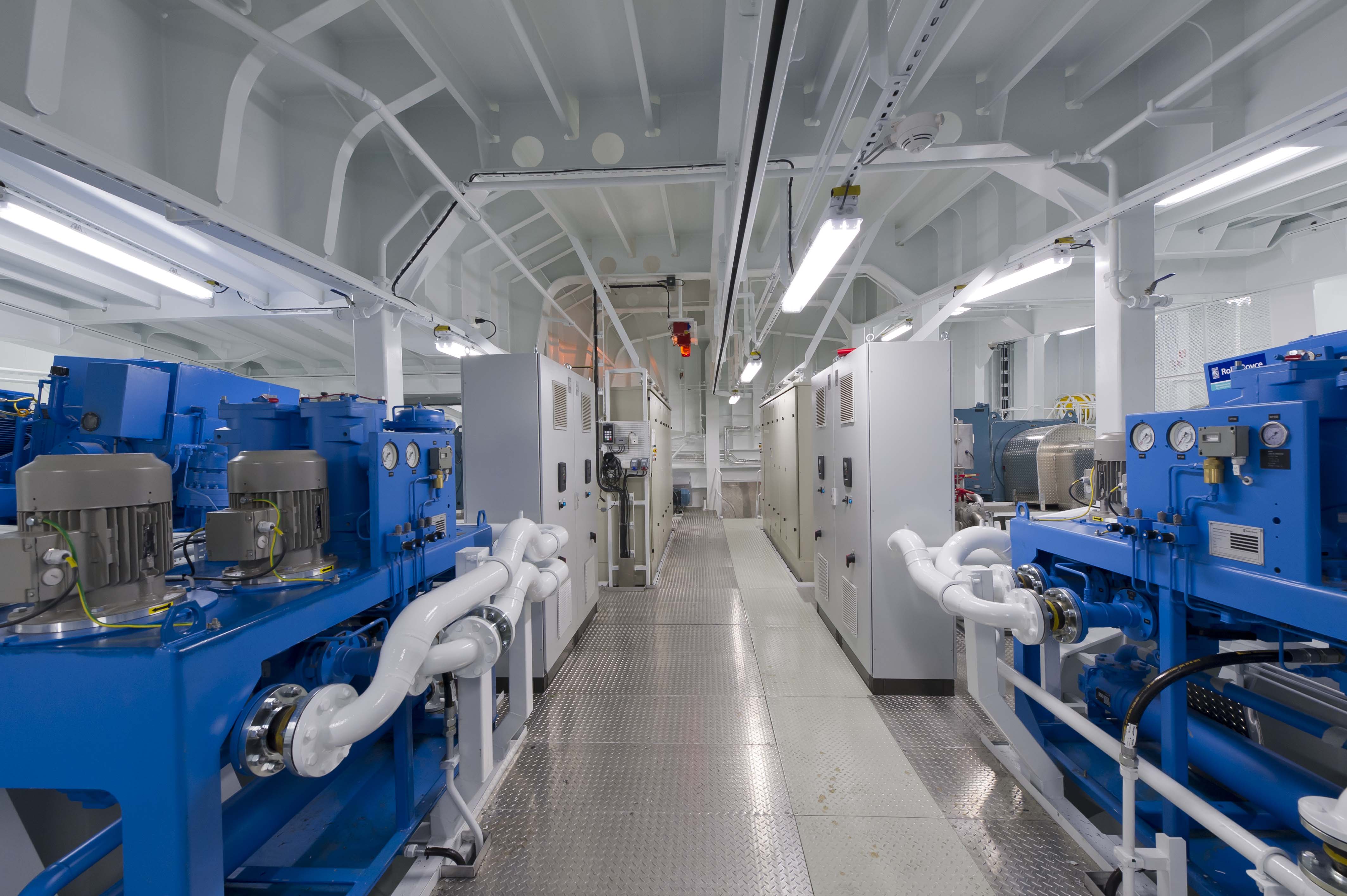
Key Features of Marine Engine Room Lights
Engine room lights are specifically designed to withstand harsh marine conditions. Unlike standard lighting, marine-grade engine room lights must resist vibration, moisture, heat, oil, and corrosion. These demanding conditions require durable construction and reliable performance.
Common features include watertight or vapor-proof housings, impact-resistant lenses, and corrosion-resistant materials such as stainless steel or marine-grade aluminum. Many modern engine room lights use LED technology, which offers high brightness, low energy consumption, and long service life. LEDs also generate less heat, an important advantage in already warm engine spaces.
LED Lighting: The Modern Standard
LED engine room lights have become the preferred choice for boat owners and marine professionals. They provide bright, uniform illumination while consuming significantly less power than traditional incandescent or fluorescent lights. This energy efficiency is especially valuable on vessels where power management is critical.
Additionally, LEDs require minimal maintenance and have long operational lifespans, reducing the need for frequent bulb replacements in hard-to-reach areas. Their instant-on capability ensures immediate full brightness, which is essential during inspections or emergency situations.
Proper Placement and Coverage
Effective engine room lighting is not just about brightness—it’s about strategic placement. Lights should be positioned to eliminate shadows and provide even coverage across all critical components. Overhead lights, combined with wall-mounted or task-specific fixtures, help ensure that every part of the engine room is visible.
Switch accessibility is also important. Clearly labeled, easily reachable switches allow crew members to quickly illuminate the space when needed. In some cases, automatic or motion-activated lighting can further enhance safety and convenience.
Safety and Compliance Considerations
Marine engine room lighting must comply with relevant safety standards and regulations. Explosion-proof or ignition-protected fixtures may be required, particularly in areas where fuel vapors are present. Using certified marine lighting products helps ensure compliance and reduces the risk of fire or electrical hazards.
Regular inspection and maintenance of engine room lights are equally important. Ensuring fixtures are secure, lenses are clean, and wiring is intact helps maintain optimal lighting performance over time.
Enhancing Efficiency and Peace of Mind
Investing in quality engine room lights is an investment in safety, efficiency, and peace of mind. Clear visibility simplifies routine checks, speeds up maintenance tasks, and enhances overall vessel reliability. For commercial vessels, it can improve operational efficiency and reduce labor time. For recreational boat owners, it adds confidence and comfort during every voyage.
Conclusion
Boat engine room lights are an essential component of any well-equipped vessel. Designed to perform in demanding conditions, they provide the visibility needed to operate, maintain, and protect critical onboard systems. By choosing durable, marine-grade LED engine room lighting and ensuring proper installation, boat owners can significantly enhance safety, efficiency, and long-term performance below deck.