
Mushroom chocolate sits at the edge of two crafts that both punish shortcuts: cacao and fungi. If you get either side wrong, the result is either waxy novelty candy or a gritty square that tastes like a garden shovel. When it’s made well, it can be quiet and profound, a steady lift carried on real chocolate character rather than sugar and hype. This guide is for people who care about both the tasting experience and the integrity of what they’re putting in their body. You’ll find criteria, a tasting approach that respects nuance, sourcing due diligence, and a few field notes from kitchens and tasting tables where people argue over roast curves and particle sizes.
I am not going to score brands or hand you a single winner. The market shifts every quarter, lots sit and age, and regional availability changes. Instead, I’ll give you a way to judge any bar or bonbon on your counter, and how to find better ones without gambling your time or wallet.
What “mushroom chocolate” usually means, and why definitions matter
People use the phrase to mean at least three different products. If you don’t clarify which camp you want, you’ll keep buying the wrong thing and blaming chocolate when it’s really a category mismatch.
- Functional mushroom bars, often with reishi, lion’s mane, chaga, cordyceps, or turkey tail. These are non-psychoactive. They target focus or calm through beta-glucans and terpenes. Extracts or finely milled fruiting-body powders are blended into chocolate. Adaptogenic blends that hide mushrooms among cacao, maca, ashwagandha, and sweeteners, typically as drink mixes or snack bites. They ride flavor camouflage and convenience. Psychedelic bars made with psilocybin-containing mushrooms, usually cubensis varieties. These are not legal in many jurisdictions. In places that allow them, they require a different sourcing and safety bar, plus dosage precision that typical confectioners aren’t trained for.
If you came here expecting a definitive list of underground psilocybin chocolate vendors, you’re going to be disappointed. I won’t recommend or facilitate buying illicit products. What I can do is explain what a well-made bar looks, tastes, and behaves like, and how people in legal contexts assess potency, purity, and chocolate craft. If legality or local options are your unknowns, community directories like shroomap.com can help you orient to what’s permitted and available in your area. Treat directories as starting points, not endorsements.
The craft problem: balancing cacao chemistry with fungal texture
Chocolate is a suspension. You’re balancing cacaos’ cocoa solids and butter in a finely milled sugar and flavor matrix, then setting it to a crisp snap. Drop in a hydrophilic powder like a mushroom extract, and you risk seizing, grittiness, bloom, and shortened shelf life. Two choices usually dictate whether the end product feels elegant or amateur:
- How the mushroom input is processed. Fruiting-body extracts, at high purity and with a low moisture profile, integrate far better than ground mushrooms or myceliated grain. Good makers use dual-extract powders for reishi and chaga, 8:1 to 15:1 concentration, vacuum dried, with particle sizes under 30 microns after final conching. That keeps mouthfeel smooth and keeps the beta-glucan payload reasonable per square. Where in the chocolate process the powder enters. If it’s sprinkled into melted couverture right before molding, you’ll taste chalk. If it goes in during refining or late conching, your tongue reads it as part of the chocolate.
When a bar nails these, you barely notice the mushroom on texture. You might notice on aroma: reishi can give a faint bark and bitter tea edge, lion’s mane a gentle cereal note, chaga a maple-wood whisper. Bad integration tastes like stale oats and dust.
Tasting: a practical sequence that preserves nuance
If you taste chocolate like wine, but forget that heat and time change texture fast, you get fooled by first impressions. Here’s a sequence that works in a real kitchen, without lab gear.
- Room temperature only, ideally 20 to 22 Celsius. Colder bars mute aroma and exaggerate snap. Warmer bars turn mushy and hide flaws in viscosity. Smell the bar before you break it. Cocoa butter is a fragrance freight train, and once you crack the bar you’ll lose top notes. Well-integrated mushroom chocolate smells like chocolate first, something else second. Snap a corner and listen. A clean, dry snap suggests a decent temper. A dull thud or crumbly edge suggests moisture, poor temper, or too much powder. Small bite, let it sit. Thirty seconds on the tongue, then a gentle press against the palate. You’re reading melt curve, not just flavor. If you feel early chalk or late grain, that’s usually particle size. Note the arc, then the aftertaste. Good bars finish like a clean line, not a smear. Reishi and chaga finish can ride the back of the throat like black tea tannin. If that lingers past 60 seconds as a medicinal film, the ratio likely overshot.
If you’re tasting multiple bars, rinse with room-temp water and a plain cracker, not coffee or citrus. Avoid strong cheese or alcohol pairings on the first pass. You can get playful later, but baseline first.
What quality looks like on the label and in your hand
You cannot taste a certificate. You can, however, use a few signals to avoid weak products before you crack the foil.
- Cocoa percentage and source. Anything above 65 percent gives the maker less sugar to hide behind, which is useful. Country-of-origin cacaos, like Ghana, Peru, or Madagascar, tell you the maker thought about the base. It doesn’t guarantee excellence, just intent. Cocoa butter content. High-butter recipes melt fast and feel luxurious but can magnify mushroom bitterness if the ratio’s sloppy. If a brand lists added cocoa butter, fine, but watch for palm or vegetable fats. That’s a shortcut. Mushroom disclosure. Look for fruiting body words, extract ratios, and standardized beta-glucan percentages. “Mushroom blend 500 mg” doesn’t tell you much. If they disclose 500 mg of a 10:1 reishi extract, you know roughly 5 g of raw equivalent per serving. For functional effects, daily beta-glucan targets often live in the 300 to 1000 mg range from reputable extracts, but different species deliver different profiles. Sweetener choice. Evaporated cane sugar is normal. Coconut sugar can contribute caramel and slightly lower glycemic impact, but it also changes viscosity. Sugar alcohols can work in keto bars, though they’ll often exaggerate cooling effects on the tongue. If the goal is a calm bar, you don’t want a sweetener that buzzes the palate.
In the hand, weight and thickness tell you the rest. Thin bars set fast and can get away with minor particle mischief. Thicker bars amplify textural faults. If a thick bar is still silky, the maker did the work.
Scenario: two bars on a desk, one meeting in ten minutes
You’ve got a 70 percent lion’s mane bar and a 72 percent reishi bar, both from small craft makers. You want calm focus, not nap time, and you have exactly ten minutes before a video meeting.
- The lion’s mane bar says 500 mg of 8:1 extract per square, two squares per serving, no added lecithin. Smell is chocolate first, cereal second. It melts quick, clean finish. Lion’s mane tends to pair with cognitive sharpness in the supplement world, and in chocolate it rarely adds bitterness. On a weekday, this is the safe option. The reishi bar has 300 mg of dual extract per square, also two squares per serving, plus organic sunflower lecithin. Reishi rides bitterness, and the lecithin can rescue mouthfeel. Sniff is chocolate and wet bark. Taste delivers black-tea tannin at 40 seconds. If you’re sensitive to bitter finishes or get sleepy from reishi, this could edge you into calm at the wrong time.
If you were me, you’d take one square of the lion’s mane bar now, one later. Keep the reishi for the evening, two squares post-dinner when you’re shutting down screens.
For psychedelic bars in legal contexts: the real work is dose precision
Where psilocybin is legal, chocolate is a common vehicle because it masks taste and slows gastric upset for some users. The craft questions expand:
- Dose uniformity depends on dispersion. If the maker uses finely sifted, homogenized mushroom powder and mixes during conching, you get far better distribution than if they stirred it into a melted batch before molding. Inconsistent dispersion means hot and cold squares, which is not acceptable at any dose. Potency drifts with storage. Psilocybin and psilocin degrade with heat, humidity, and light. Even in chocolate, expect noticeable potency drop-off after a few months at room temperature. Vacuum sealing and cool dark storage extend life, but don’t bank on a year-old bar behaving like new. Lab testing matters, but context matters more. A single certificate of analysis tells you about that batch and sample. You want to see batch-specific testing post-mix if possible, not just raw material COAs.
In practice, if you’re in a legal framework, you’ll see reputable makers portion bars into squares with nominal doses like 0.5 g or 1 g mushroom equivalent per square, sometimes lower for microdosing. If you don’t have access to testing, treat new batches conservatively. Start with half a square. Wait at least 90 minutes before deciding you need more. Chocolate delays onset for some people compared to tea.
Again, none of this is an invitation to break laws. If you’re unsure what’s legal where you live, get oriented before you shop. A directory like shroomap.com can show you decriminalized zones, local services, or education resources, but verify any listing and never assume legality equals safety.

Sourcing with a conscience: cacao and fungi both carry baggage
Ethics live in the supply chain, not on the wrapper. Two rubrics help you separate virtue signaling from real work.
For cacao:
- Are they naming origin and paying premiums above commodity rates? Direct-trade claims are cheap. Actual relationships with cooperatives, transparent price floors, or certification schemes are better than silence. Specialty makers often pay 2 to 4 times commodity prices for quality beans. Do they roast and grind in-house, or use bulk couverture? Coverture can be fine, but it hides the story. If they use couverture, ask which one. There are excellent couvertures with strong sustainability programs. If they dodge the question, pass.
For mushrooms:
- Fruiting body vs myceliated grain. If functional effect matters, fruiting body extracts tend to offer more beta-glucans and species-specific compounds than myceliated grain, which often carries residual starch. This is not a religious war, but it is a material difference you can taste and feel over time. Extraction method and solvent residues. Dual extraction for reishi and chaga (water plus alcohol) captures both water-soluble polysaccharides and alcohol-soluble triterpenes. Reputable suppliers provide third-party tests for heavy metals, microbials, and solvent residues. If your chocolate brand can’t furnish these for their mushroom ingredients, they’re not ready.
On both sides, consistency beats claims. Ask brands for batch numbers, for test results tied to those batches, and for details about storage. You’ll quickly sort the makers who actually care from the ones who ordered a private label lot and called it a day.
Flavor pairing: make the mushroom sing without masking it
Chocolate gives you levers. You can choose origin, roast, conch time, sugar type, and inclusions to harmonize or distract. Here’s what tends to work across kitchens.
- Lion’s mane pairs with brighter cacaos. Think Madagascar or Ecuador, where natural red-fruit acids and citrus stand up to the cereal note. A touch of vanilla rounds edges without turning it into dessert candy. Reishi wants a darker roast and maybe a nut tone to absorb bitterness. Ghana or Dominican with hazelnut fragments, or a nib-studded 72 percent. A pinch of smoked salt can redirect the finish from “medicinal” to “savory.” Chaga rides with maple, coffee, or caramel. If you see coconut sugar and chaga together, that’s a reasonable bet for flavor coherence. Watch sweetness, though, or you’ll bury the mushroom entirely. Cordyceps is chameleon-like. Lighter milk chocolates at 50 to 60 percent can actually work if you keep sweetness in check and choose caramel-forward beans.
If a brand leans on mint to silence a bitter mushroom, be cautious. Mint erases complexity. Cinnamon is similar. It can be lovely, but it’s a fog machine.
Storage, shelf life, and the 90-day rule of thumb
Most functional mushroom chocolates hold quality for 6 to 12 months if wrapped well and stored cool and dry. Psilocybin bars, in legal settings, show more noticeable potency drift. Across both, I use a 90-day rule for peak experience from the date stamped or the batch announcement:
- First 30 days, you taste the roast and conch decisions at their cleanest. Aromatics are lively. Days 30 to 90, you’re in the sweet spot. Flavors have integrated. Textural quirks resolve if the bar was slightly over-tempered. After 90 days, still fine, but aromatics soften. For psychedelic bars especially, titrate down your dose assumptions or save older bars for microdosing experiments if that’s legal for you.
Always store away from heat spikes. Pantries over ovens are silent killers. Fridges are a mixed bag, because condensation damages temper. If you must refrigerate, double wrap, then bring to room temp in the wrapping before opening.
How much mushroom belongs in a serving, functionally speaking
The right number depends on species, extract potency, and your intent. Nobody sensible prescribes a single https://shroomap.com/deals/ threshold, but there are practical bands.
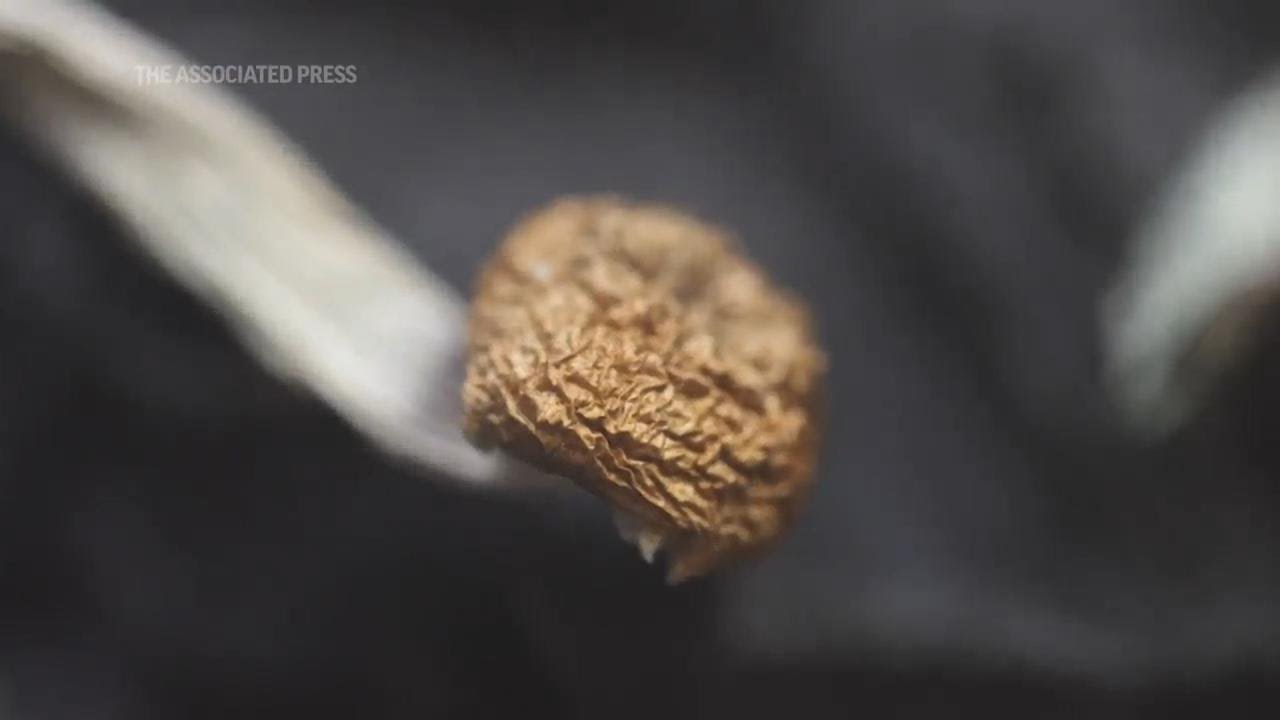
- Lion’s mane: many people feel subtle focus with 500 to 1000 mg of fruiting-body extract per serving, standardized to meaningful beta-glucan content. In chocolate, 300 to 600 mg per square is common, two squares per serving, because cross-over with afternoon snacking is real. Reishi: use gentler servings, 300 to 500 mg dual extract per serving. Most people treat reishi as an evening supplement. If your bar markets “calm focus,” but packs 1000 mg of reishi in a daytime square, it’s either bravado or they’re banking on placebo. Chaga: 500 to 1000 mg dual extract per serving shows in flavor and effect. Chaga can add a woodsy sweetness that plays nicely in darker bars.
These are bands, not prescriptions. Your gut, caffeine intake, and even sleep debt change how a bar lands. If you keep a notebook for a month, you’ll dial it in fast.
The buying workflow that wastes the least time
You don’t need a spreadsheet and a YouTube channel to find good bars. A simple loop works.
- Shortlist brands with transparent mushroom sourcing and a declared cacao origin above 65 percent. If they also sell pure chocolate bars, even better, it means they care about cacao on its own terms. Start with single-species bars. Blends hide sins. Once you like a lion’s mane bar, then try their focus blend. Order small, taste fresh, reorder quickly. Bars change across batches. When you hit a sweet spot, buy a few more of that batch code. If the next code shifts, assess anew, don’t assume continuity. Cross-check batch notes in communities that track details. Local groups, well-moderated forums, or, for legal contexts, regional directories. Tools like shroomap.com can orient you to where people compare notes in your area, but always calibrate for signal-to-noise.
If a brand ghosts specific questions twice, move on. There are enough makers doing the work that you don’t need to evangelize a reluctant one.
Red flags that save you money and stomach lining
You’ll see patterns over time. A few are nearly universal tells of a bar you’ll regret.
- “Proprietary mushroom complex” with no species list or extract ratios. Translation: we don’t want scrutiny. White bloom on arrival in warm months, and no cold-pack shipping option. They care more about margin than your experience. “No bitter taste” as a main headline. Good chocolate has backbone. Total smoothness often means sweetener overload and low mushroom content. Myceliated grain highlighted as superior without data, plus unusually low price. Expect starch in your mouthfeel and low actives per gram. Refusal to share lab tests, even de-identified, for heavy metals or microbials on mushroom inputs. Chocolate is fat-rich and forgiving, which makes it tempting to hide mediocre powders.
If you hit one of these but are still curious, buy a single bar, not a bundle. Taste in daylight with water, not after a drink. Trust your tongue.
Making your own: when the perfect bar doesn’t exist
If you’ve got a basic chocolate tempering setup, you can prototype at home. You won’t beat a great craft maker on texture without a melanger, but you can get 80 percent of the way there with care.
- Use a high-quality 70 to 75 percent couverture as a base. You’re choosing consistency over romance here. Sift your mushroom extract powder through a fine mesh. Heated, very dry powder integrates better. If it clumps, it will print as grit on the tongue. Temper, then fold the powder in gently off heat, mixing thoroughly without adding air. Work quickly to mold before viscosity climbs. If your melt thickens early, you used too much powder or introduced moisture. Start lower than you think on dosage per square, cut, and test. Take notes. Store in cool darkness.
Expect your first batch to taste like good chocolate and a hint of sawdust. By batch three, you’ll dial particle size and folding speed and surprise yourself. If that sounds like too much fuss, you’re probably the customer who should reward the pros doing this at scale.
Pairing with routine: where these bars actually fit in daily life
The point of a functional bar is not to replace meals or overhaul your nervous system. It’s a tool. Slot it in like one.
Morning work blocks: half to one square of a lion’s mane bar alongside coffee, or solo if you’re caffeine-light. You want lift without jitter.
Afternoon slump: a lighter cocoa percentage with cordyceps can prop energy without hitting blood sugar too hard, if the bar uses a restrained sweetener.
Evening wind-down: a reishi-forward bar, one to two squares 60 to 90 minutes before bed, if you’re experimenting with calm. If you wake groggy, halve it.
Weekends, long walks, creative time: a chaga bar pairs well with slow activities. The flavor is friendly and doesn’t compete with tea.
For psychedelic bars in legal contexts, everything changes. You plan your set and setting. You clear a calendar, prepare hydration and a calm space, and, if you’re doing more than a microdose, you have support. Chocolate is just the vehicle. Respect the cargo.
Where to look next without getting lost
The best bars rarely shout. They live in the overlap of communities that care about craft chocolate and people who take mushrooms seriously. That might be a small retailer who loves single-origin cacao and stocks one or two mushroom bars per season. It might be a regional maker who posts batch notes on social channels. It might be a local directory that points you to legal community tastings or educational events.
Use shroomap.com or similar mapping tools as an orienting layer, especially if you’re navigating legality or trying to find local meetups. Then move your search to human conversations and maker notes. A five-minute exchange with a small-batch chocolatier will teach you more than a dozen glossy product pages.
The throughline, whether you chase calm, clarity, or a sacred journey, is the same: demand clarity, reward craft, keep notes, and let your own palate and body be the final judge. When a bar clicks, you’ll know. It won’t just taste good. It will feel like the dose rode in on cacao’s shoulders, not piggybacked on sugar. That’s the signal. Keep following it.