
Navigating the landscape of building codes can feel like traversing a maze. For homeowners, especially those in residential neighborhoods, understanding local laws governing construction and renovations is crucial. These regulations not only ensure safety but also maintain the character of neighborhoods and protect property values. In cities like Cleveland, Ohio, where the architecture varies significantly from neighborhood to neighborhood, familiarity with these codes can spell the difference between a successful renovation and a costly mistake.
Local building codes serve several purposes. Primarily, they are designed to promote safety by establishing minimum standards for structural integrity, electrical systems, plumbing, and fire prevention measures. They also address aesthetic concerns that align with neighborhood guidelines. Homeowners who ignore these regulations risk fines or being forced to undo work that does not comply with local standards. Thus, understanding the specifics of building codes is essential for anyone looking to undertake renovations or repairs.
The Framework of Building Codes
Building codes vary widely across municipalities due to local governance structures. In Cleveland, for instance, the Department of Building and Housing oversees residential construction regulations. This department implements state guidelines while tailoring them to fit local conditions and community needs. Homeowners must familiarize themselves with both state and city requirements before beginning any project.
Understanding how these regulations interact can be complicated. For example, while Ohio has broad standards concerning structural safety and energy efficiency, Cleveland\'s unique historical architecture often necessitates additional considerations. This includes specific materials or design elements that must be preserved during renovations.
Permit Requirements
Before initiating any construction projects, homeowners must understand when permits are required. Generally speaking, major renovations such as roof replacements or significant structural changes will necessitate a permit. Even smaller projects can fall under this requirement if they involve plumbing or electrical work.
In many cases, homeowners may need to submit plans outlining their proposed work for review by city officials before receiving a permit. This process ensures that the project adheres not only to safety standards but also to local zoning laws which dictate land use within specific areas.
Common Types of Permits
Homeowners should be aware of several types of permits required for various kinds of work:
Building Permit: Needed for most construction projects including additions. Electrical Permit: Required for any significant electrical work. Plumbing Permit: Necessary when modifying plumbing systems. Zoning Permit: Needed if you are changing how you use your property. Demolition Permit: Required for tearing down existing structures.Each permit type comes with its own set of requirements and fees that homeowners should budget for in their renovation plans.
Local Zoning Laws
Zoning laws are another critical aspect of ensuring compliance during home improvement projects in Cleveland and other cities. These regulations dictate how properties within certain areas can be used or modified, impacting everything from building height to lot coverage ratios.
For example, in residential zones where single-family homes dominate, there may be restrictions on multi-family dwellings being constructed or converted from an existing structure. Homeowners should consult zoning maps available through the city’s planning department to determine what restrictions apply to their properties.
Neighborhood-Specific Regulations
Cleveland's neighborhoods showcase an array of architectural styles influenced by history and community identity. Local historic districts often have additional regulations affecting exterior changes such as roofing materials or window installations aimed at preserving architectural integrity.
Neighborhood associations may also enforce their own rules about aesthetics or property maintenance standards beyond those mandated by the city government. Engaging with these organizations early on can provide valuable insights into expectations that may affect renovation plans.
Importance of Hiring Licensed Professionals
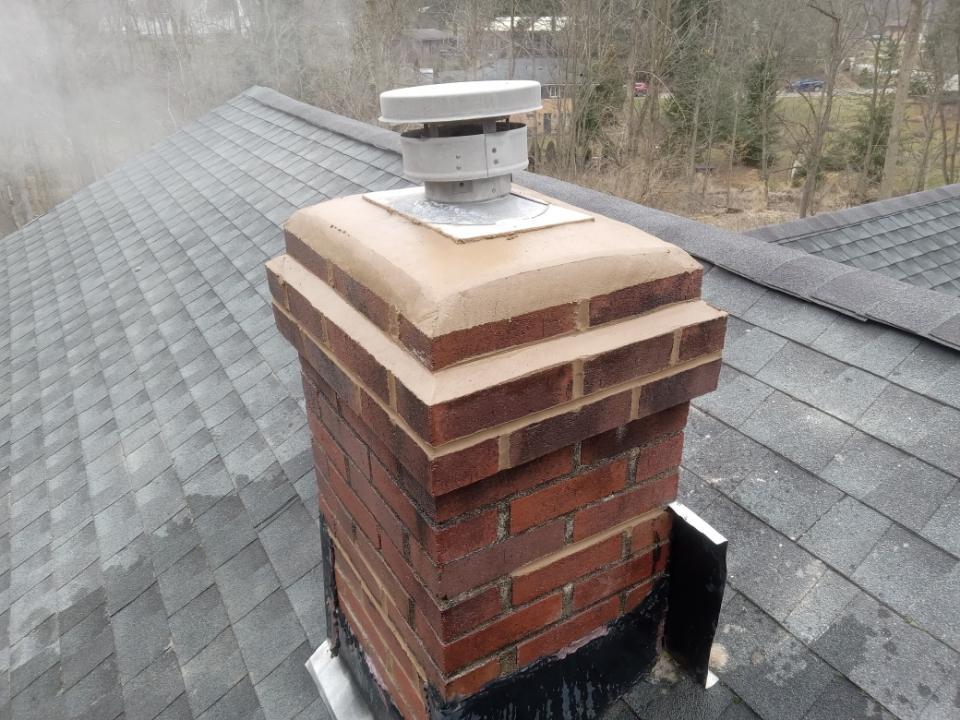
While some homeowners may feel confident tackling small repairs themselves—such as chimney repair—larger projects usually require expertise best provided by licensed professionals familiar with local codes and practices.
For instance, chimney repair in Cleveland demands an understanding not just of general masonry techniques but also local building codes specific to fireplace installation and maintenance practices aimed at fire safety compliance.
Hiring a contractor who understands both state requirements and local nuances can save time and money in the long run while ensuring quality workmanship that meets all necessary standards.
Choosing the Right Contractor
When selecting a contractor for home renovations or repairs such as chimney repair in Cleveland:
- Verify licenses and insurance coverage. Check reviews from previous clients. Ask about experience with similar projects. Request detailed estimates upfront. Confirm knowledge of local building codes.
Choosing a qualified contractor allows homeowners peace of mind knowing their project will meet all required legal standards while enhancing home value effectively.
Potential Pitfalls
Failure to adhere strictly to local building codes can lead to multiple issues ranging from financial penalties to costly retrofitting after inspections reveal non-compliance post-construction completion—an outcome no homeowner desires after investing time and resources into renovations.
One common pitfall arises when homeowners prioritize aesthetics over functionality; beautiful designs are meaningless if structural integrity is compromised due lack adherence regulatory guidelines established by municipalities like Cleveland's Department Of Building And Housing .
Another frequent issue involves neglecting updates regarding code changes which may occur over time due technological advancements being incorporated into new building materials; staying informed about evolving practices is paramount particularly when undertaking extensive renovations involving multiple tradesmen working simultaneously at job sites across various phases .
Community Involvement
Engaging actively within one’s community presents opportunities not only networking potential contractors but best chimney repair in Cleveland Ohio also staying abreast upcoming legislative changes impacting housing developments directly affecting individual properties . Many cities host forums where residents discuss ongoing developments related housing policies , ensuring engagement fosters collective wellbeing amongst neighbors fostering supportive environments conducive growth .
Additionally , participating in volunteer initiatives organized through neighborhood groups helps cultivate relationships enhancing familiarity within community dynamics which ultimately proves beneficial navigating complexities associated real estate endeavors .
Final Thoughts
Grasping the nuances behind local building laws governing residential properties requires diligence yet pays dividends long term safeguarding investments made into homes throughout neighborhoods across city limits whether through hiring trusted professionals skilled chimney repair specialists like Lewis Chimney And Masonry committed delivering quality craftsmanship adhering strict compliance mandates guarantees peace mind protecting homeowner interests .
By prioritizing education surrounding these matters along embracing open dialogues neighbors engage proactive participation shaping future landscapes respective communities build stronger foundations enduring legacies thrive generations succeed .