
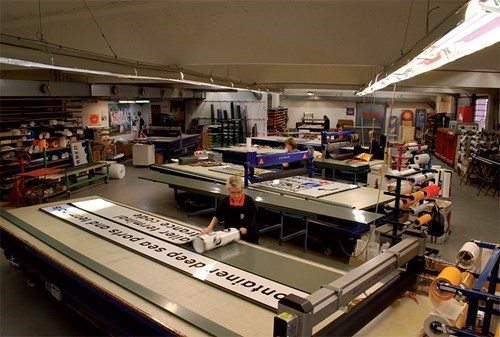
In today’s competitive marketplace, businesses rely on clear, eye-catching, and professional signs to capture attention and communicate their brand identity. Sign manufacturing is the process of designing, fabricating, and installing signs that serve as both functional tools and powerful marketing assets. From small storefront displays to towering illuminated billboards, the art and science of sign production play a crucial role in shaping customer perception and guiding consumer behavior.
What is Sign Manufacturing?
Sign manufacturing refers to the complete process of creating a sign, which includes concept design, material selection, fabrication, and installation. Modern sign makers blend creativity with advanced technology to produce signage that is durable, visually appealing, and aligned with branding goals. The industry covers a wide spectrum of signs—indoor, outdoor, illuminated, digital, architectural, and custom specialty signs.
The Importance of Quality Signage
A well-crafted sign does more than display a name or logo. It:
-
Builds Brand Recognition: Signs reinforce identity, helping customers instantly recognize a business.
-
Attracts Customers: Eye-catching visuals can draw in passersby, especially in busy commercial areas.
-
Communicates Information: Directional, safety, and instructional signs ensure smooth navigation and compliance.
-
Enhances Professionalism: High-quality signage conveys trust, credibility, and a sense of permanence.
The Sign Manufacturing Process
1. Design and Concept Development
The process starts with understanding a client’s goals, target audience, and brand guidelines. Designers use graphic design software and 3D modeling tools to create visuals that balance aesthetics with functionality.
2. Material Selection
Choosing the right material is critical to durability and appearance. Common options include:
-
Acrylic & Polycarbonate – for illuminated signs and displays.
-
Aluminum – lightweight, weather-resistant, and long-lasting.
-
Vinyl – flexible and cost-effective for wraps and decals.
-
Wood or Composite Panels – for rustic or architectural designs.
3. Fabrication
Advanced machinery such as CNC routers, laser cutters, and large-format printers bring the design to life. Techniques include engraving, channel letter construction, digital printing, and LED integration.
4. Finishing and Assembly
Signs are painted, laminated, or powder-coated for protection and aesthetic appeal. Electrical components, like LED lights, are assembled for illuminated signage.
5. Installation
Professional installation ensures the sign is securely mounted, visible, and compliant with local zoning or safety regulations.
Types of Signs in Manufacturing
-
Channel Letters: Individual 3D letters, often illuminated.
-
Monument Signs: Ground-level structures that make a bold statement at entrances.
-
Pylon Signs: Tall, freestanding signs often seen at shopping centers.
-
Digital & LED Displays: Dynamic signs with programmable content.
-
Wayfinding Signs: Directional and informational signage for campuses or complexes.
-
Vehicle Wraps: Mobile advertisements applied to company fleets.
Technology in Modern Sign Manufacturing
The industry has embraced digital innovation:
-
LED Lighting for energy efficiency and longevity.
-
3D Printing for custom parts and prototypes.
-
UV Flatbed Printing for vibrant, durable graphics.
-
Smart Signage integrated with sensors and digital content management.
Challenges in the Industry
Sign manufacturers face challenges like evolving environmental regulations, rising material costs, and the demand for sustainable solutions. Businesses are increasingly seeking eco-friendly signage, using recyclable materials and energy-efficient lighting.
The Future of Sign Manufacturing
The future points toward digitally interactive signage, AI-driven personalization, and sustainable materials. As urban spaces grow more competitive, businesses will continue to depend on signs that are not just functional, but also immersive and memorable.
Final Thoughts
Sign manufacturing is more than a production process—it’s a craft that combines design, engineering, and marketing to help businesses stand out in a crowded marketplace. Whether it’s a sleek digital display or a timeless monument sign, the right signage has the power to transform visibility into opportunity.