
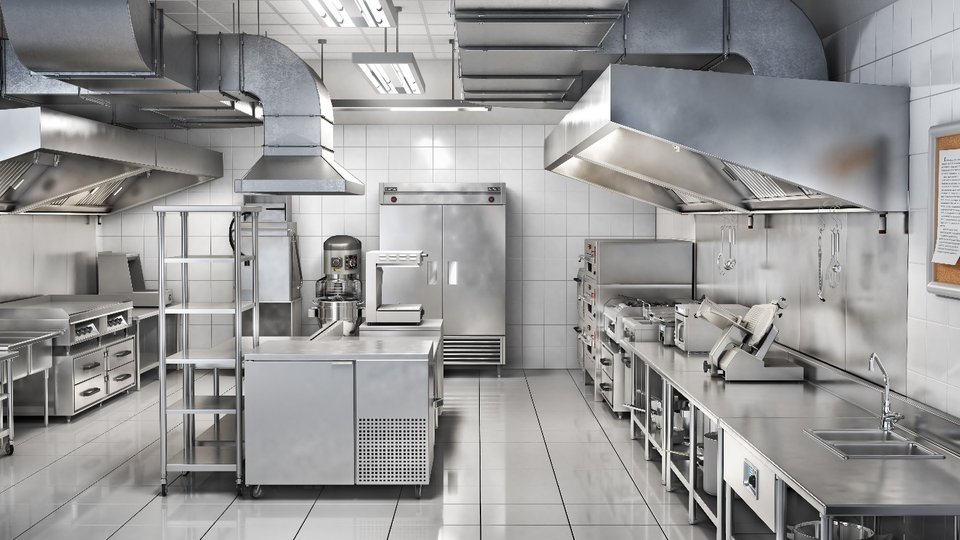
In the fast-paced world of commercial food production, efficiency, consistency, and scalability are key. This is where industrial cooking equipment comes into play. Unlike standard kitchen appliances, industrial cooking machines are designed for large-scale operations such as restaurants, catering services, institutional kitchens, and food manufacturing facilities. In this article, we explore the different types of industrial cooking equipment, their functions, and the advantages they offer to modern food businesses.
What is Industrial Cooking Equipment?
Industrial cooking equipment refers to the heavy-duty machines and appliances used in commercial kitchens and food production facilities to prepare large quantities of food efficiently. These machines are built to withstand high-volume use and often incorporate advanced features to improve precision, speed, and food safety.
Common Types of Industrial Cooking Equipment
1. Industrial Ovens
Industrial ovens come in various sizes and types, including convection ovens, deck ovens, and rotary rack ovens. They are used for baking, roasting, and dehydrating food in bulk. Convection ovens, in particular, use circulating air to cook food evenly and quickly.
2. Steam Kettles
Also known as jacketed kettles, these are used for cooking soups, sauces, stews, and other liquid-based dishes. They offer even heat distribution and large capacities, making them ideal for institutional and commercial use.
3. Tilting Skillets / Braising Pans
These versatile pieces of equipment can grill, fry, braise, boil, and even simmer food. The tilting feature makes it easier to pour out contents and clean the unit.
4. Industrial Deep Fryers
Designed for high-volume frying, industrial deep fryers maintain consistent oil temperature for even cooking. Many models include automated basket lifts and filtration systems to enhance efficiency and oil longevity.
5. Commercial Ranges and Grills
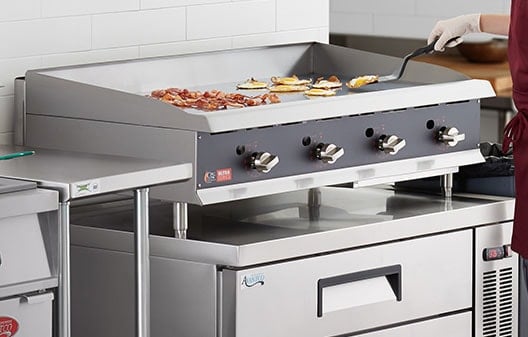
These include gas or electric stoves, flat-top grills, and charbroilers. They are essential for line cooking and can handle multiple dishes at once, supporting high turnover in busy kitchens.
6. Pressure Cookers and Retort Machines
Used mainly in food processing plants, these machines cook food quickly under pressure, preserving nutrients and flavor while ensuring safety and shelf stability.
Key Features to Look For
When selecting industrial cooking equipment, consider the following:
-
Capacity: Choose machines that match your production volume.
-
Durability: Equipment should be constructed from high-quality stainless steel and designed to withstand constant use.
-
Ease of Cleaning: Look for smooth surfaces and detachable parts for faster sanitation.
-
Energy Efficiency: Newer models often include eco-friendly features to reduce energy consumption and operating costs.
-
Automation: Programmable settings and automated functions reduce labor needs and minimize errors.
Benefits of Industrial Cooking Equipment
-
Increased Production Efficiency
These machines are designed to prepare large quantities of food quickly, helping businesses meet demand without compromising quality. -
Consistency in Cooking
Automation and precise controls ensure that every batch is cooked to the same standard, essential for maintaining product quality and customer satisfaction. -
Improved Food Safety
Built-in temperature controls, pressure settings, and sanitation features help reduce contamination risks and comply with food safety regulations. -
Reduced Labor Costs
Automation reduces the need for manual labor, allowing kitchen staff to focus on other tasks or manage multiple operations simultaneously. -
Scalability
Industrial equipment supports business growth by enabling higher production volumes without significantly increasing labor or time.
Applications of Industrial Cooking Equipment
-
Restaurants and Catering Services: For preparing meals in large batches while maintaining quality.
-
Hospitals and Schools: Institutional kitchens rely on bulk cooking for efficiency.
-
Food Processing Plants: Used in the manufacturing of packaged or canned foods.
-
Bakeries and Cafeterias: Essential for high-output baking and meal preparation.
Conclusion
Whether you're running a bustling restaurant or managing a food production facility, investing in high-quality industrial cooking equipment is essential. These machines not only streamline operations but also ensure consistency, safety, and scalability in your food service or manufacturing processes. By choosing the right equipment tailored to your needs, you can significantly enhance both productivity and product quality—key ingredients for long-term success in the food industry.