
Winter in southern Indiana asks more of your trees than most homeowners realize. Heavy wet snow, sudden freezes after warm spells, road salt, and wind moving through the Ohio River valley all create stress that compounds under previously unnoticed weaknesses. Preparing your trees for winter is not a single chore to check off. It is a sequence of choices that reduce risk, protect investment, and preserve the character of your landscape. I write from years spent climbing, pruning, and directing crews in seasonal work across this county, and what follows is practical, trade-off honest, and tailored for New Albany and nearby communities.
Why this matters Your trees are long-term infrastructure. A mature oak or maple can add tens of thousands of dollars in value to a property, shade your home, and buffer wind. A failed limb, uprooted tree, or a neglected stump that becomes a hazard has immediate cost and safety consequences. Taking a few pragmatic steps before the first deep freeze lowers the chance of storm damage and expensive emergency calls when roads are slick and response times stretch.
Know the vulnerabilities Native and planted trees each respond differently to winter stress. Young newly planted specimens struggle with root establishment and winter desiccation, especially along roads treated with salt. Older trees often fail because of decay centers that were invisible in summer, or because past pruning left long, levered limbs. A common mistake I see is waiting until ice starts to form before addressing structural concerns. Once heavy ice loads appear, the options narrow to urgent removals or temporary bracing that often does little more than delay failure.
Species matters. Maples and elms are brittle under ice loading, while oaks generally hold deeper into storms but pay for it later if root damage occurs. Evergreens lose foliage from salt spray and windburn, so where your property faces busy roads you should treat the tree line differently than the lawn canopy.
Five winter prep tasks that make the most difference
Evaluate structural defects and remove immediate hazards, starting with dead limbs and severely decayed branches. Prune selectively to reduce sail area and remove crossing or rubbing limbs that can tear under load. Protect trunks of vulnerable young trees from rodent and sunscald damage by wrapping or painting in recommended ways. Mulch correctly at planting beds to insulate roots and prevent frequent freeze-thaw cycles that cause root heave. Plan for salt management along driveways and roads by choosing tolerant species and creating buffer plantings.These are not in order of importance for every property. For a yard with an aging sugar maple leaning toward the street, structural pruning and hazard removal should come first. For a newly planted yard adjacent to State Street, trunk protection and salt buffers take precedence.
When to call a pro and what to expect If you see major cracks, a split between the trunk and a primary limb, deep visible decay, or a tree leaning where it did not lean before, arrange a professional assessment rather than attempting a DIY fix. Emergency removals in winter carry higher cost and risk. A competent crew offers a seasonal approach: inspect, prioritize, and schedule before the worst weather arrives. Expect honest judgment calls. There are times when saving a tree is possible with pruning, bracing, or root care; there are times when removal is the safest, most cost-effective option.
A short list of urgent signs that justify immediate professional attention
New or expanding trunk cracks or seams. Large limbs with fungal conks or extensive cavitying. Sudden lean or root plate heaving after heavy rain or freeze-thaw cycles. Split crotches where two major limbs meet and pull apart. Major limbs resting on power lines or structures.Pruning in winter — why it often makes sense here Winter pruning has practical advantages in New Albany. With leaves gone from deciduous trees, the structure is easy to read, making it simpler to identify the location of weak unions, narrow crotches, and dead wood. Crews can work faster without the obstruction of heavy foliage, which often reduces labor time and cost. Additionally, many pest and fungal pathogens are less active in cold months, lowering the risk of infection following cuts.
That said, pruning is not a one-size-fits-all operation. The timing depends on species and condition. For maples and birches, heavy pruning late in the dormant season can cause increased sap flow in early spring. For many hardwoods, late winter just before bud swell is a good compromise, enabling strong wound closure as cambial activity resumes. A seasoned arborist will weigh the species, wound size, and the ultimate goal, whether that is reducing risk, shaping, or improving light penetration.
Preparing young trees New plantings require the most patience in winter. Roots that never established in the first growing season are vulnerable to desiccation during cold, dry winds. That dryness kills fine roots and inhibits spring growth. Practical steps that pay off include applying a 2 to 4 inch layer of organic mulch in a wide donut around the root zone, but do not pile the mulch against the trunk. If you use tree wrap, remove it in spring; leaving ties on through multiple seasons invites rodent damage and hidden girdling.
Staking has a place, but it is often overused. Secure stakes should remain for one growing season for most bare-root transplants, possibly two for larger specimens. The goal of staking is to allow limited movement that promotes root anchoring while preventing excessive sway that tears fine roots. Check ties periodically and adjust them so they remain snug but not tight.
Tree stump removal and its place in winter planning A stump left in place becomes more than an eyesore. It can sprout undesirable shoots, provide a niche for pests, and complicate future landscaping. Winter can be a good time to remove stumps because soil is typically firmer for grinding, and crews have greater schedule flexibility before spring projects ramp up. Mechanically grinding a stump to at least 6 inches below grade eliminates most re-sprouting. Complete stump and root removal is more invasive and costly, but it is worth considering when you plan to replant in the same footprint or want to level the area.
If you are considering a new planting where a tree was removed, plan ahead. Soil that has hosted a large root system may be depleted of oxygen and altered by heavy root decay. Fresh topsoil and an amendment plan will improve establishment. A common rule of thumb is to wait a season for the soil to settle after stump removal before installing a sensitive specimen, although many street-tough trees will do fine with proper soil replacement.
Dealing with invasive volunteers and undergrowth Winter is an ideal window to remove invasive seedlings and understory https://canvas.instructure.com/eportfolios/4299268/home/tree-transplanting-new-albany-indiana-costs-and-considerations brush because they are easier to spot without foliage. Mechanical removal, targeted herbicide application by a professional, or manual pulling for small patches should happen before spring flush. Removing dense understory also reduces the chance of mice and voles taking up residence near trunks, which is a common cause of bark damage in winter.
Salt, plowing, and urban exposures Road salt and plow damage are real threats along busy corridors in New Albany. Salt creates a physiological drought by impairing a tree\'s ability to take up water, and it can burn foliage on evergreens. When you have a planting close to a treated roadway, plant tolerant species such as certain honeylocusts or ginkgo varieties, and use physical barriers or a planted hedge to intercept salt spray. In existing landscapes, sacrificing a few lower shrubs and using mulch plus fresh water in spring can help mitigate cumulative salt stress.
For properties with frequent plowing, create a clear buffer zone between pavement and valuable trunks. Bark abrasions from plow blades are often fatal because they expose wood to decay organisms. If you must keep trees near the driveway, consider protective bollards or designate the area as nonplow and use a small hand shovel for careful clearing.
Anecdote from the field I once assessed a century-old sugar maple that split upside down into the neighbor's driveway during a mid-January thaw. The property owner had been planning to prune the tree in late winter, but heavy ice formed after an unseasonably warm week followed by a rapid freeze. We removed the damaged portion, but it cost three times what a pre-winter removal of the compromised limb would have. The lesson: prioritize known structural issues well before the coldest part of the season.
When tree transplanting makes sense in winter Transplanting in winter has advantages in our region when trees are fully dormant and the ground is workable. Digging balled-and-burlapped specimens or moving container trees before the root flush begins reduces shock and often produces strong reestablishment. The key is timing and moisture management. Do not move trees if the rootball will be exposed to prolonged freezing winds. After transplanting, a conservative watering schedule and proper mulching are critical. Transplanting large specimens is specialized work; it is economical to combine winter permitting with professional crews who bring the equipment to move heavy root masses safely.
Hiring tree care services in New Albany When you search for tree cutting near me or tree trimming services, look for credentials and local experience. An ISA certified arborist, proof of insurance, and references are essential. Ask prospective companies about their winter protocols, how they protect lawns and hardscapes during work, and how they handle disposal. Many reputable local firms, including Cummins Tree Service, operate year-round and maintain winter-forward scheduling to get preventive work done when it matters most.
Expect transparent pricing. Winter work often yields slower travel and safety overhead, but it can also fall into gaps in the busy spring schedule. A good company will provide a written scope, explain which cuts are removal versus corrective pruning, and offer options that vary in cost and long-term benefit.
Work you can safely do yourself You can handle small tasks that reduce risk and cost. Remove small dead limbs under 2 inches in diameter using a sharp pruning saw, clear leaves from beds near trunk collars, and ensure mulch rings are kept clean. Avoid topping or making large corrective cuts without professional guidance. If you are unsure whether a limb is safe to remove, take photographs and show them to an arborist rather than climbing a ladder yourself. Many accidents happen during homeowner pruning attempts in bad weather.
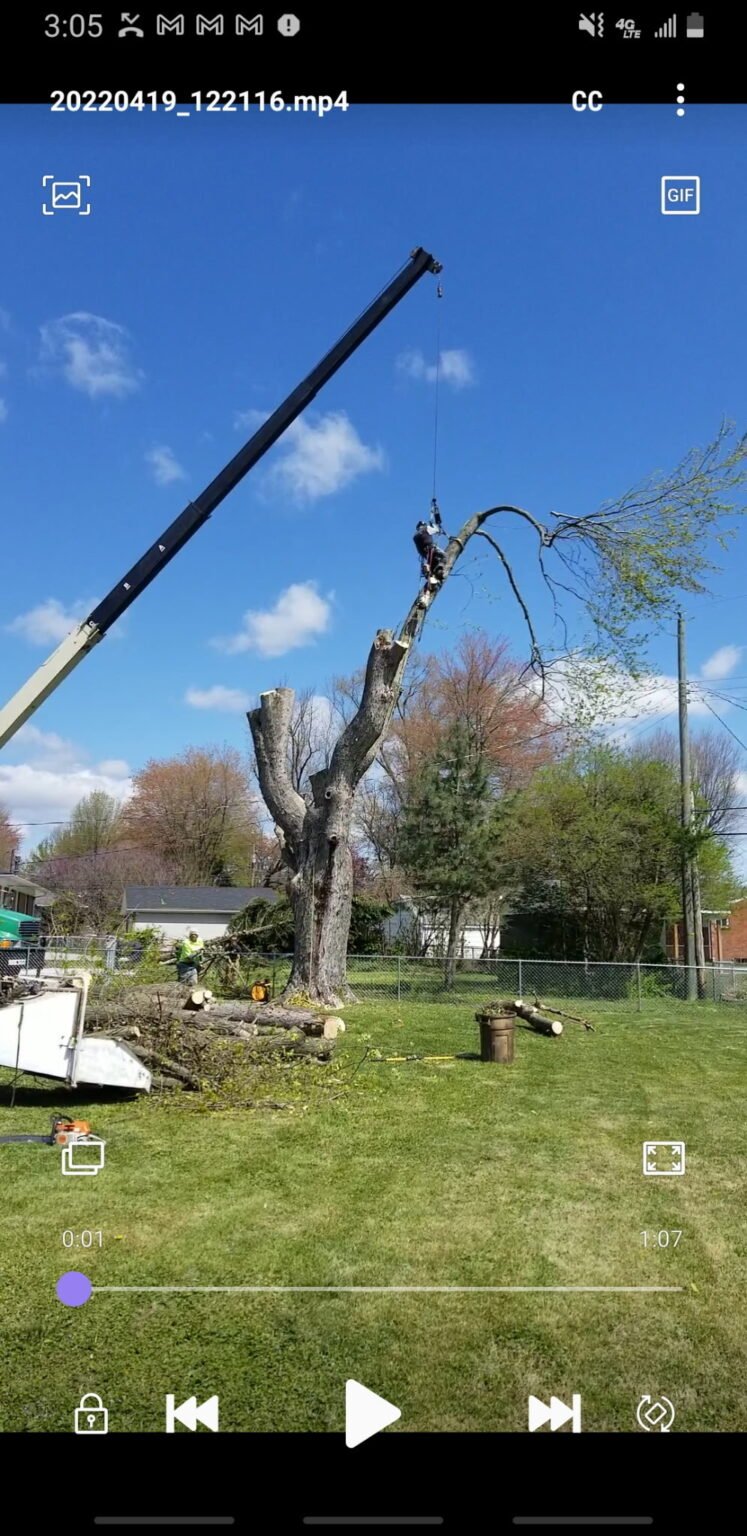
Budgeting and prioritizing Create a short list of high-risk items first: these are trees near structures, those with visible decay, and those with large dead limbs. Expect to spend more for emergency removals in icy weather than for planned winter pruning done on schedule. For larger properties, consider spreading work across seasons: address immediate hazards in winter, perform restorative pruning in late winter, and do planting or stump removal in early spring when the ground thaws.
Trade-offs are real. Leaving a marginally healthy tree in place preserves shade and property character, but it increases long-term liability and maintenance cost. Removing it now sometimes pays off through lower insurance risk and reduced future emergency expenditure. Evaluate trees not only on age and species, but on placement, visible defects, and proximity to people and infrastructure.
Permits and municipal rules Some municipalities regulate tree removals, especially on public right of way or for protected species. Check New Albany city ordinances before scheduling work that involves street trees or large removals. The city may require notification or replacement plantings. A local firm will usually handle permitting or advise whether a permit is necessary for the planned work.
Final practical checklist before winter sets in
Inspect and catalog trees with visible defects or lean toward structures, and prioritize assessments. Schedule structural pruning or removal with a licensed arborist before prolonged freezing weather. Protect newly planted trunks, refresh mulch rings, and avoid piling snow against trunks. Plan for stump grinding or full removal if you intend to replant in the same spot. Prepare salt and plow buffers and establish an emergency tree-care contact.Your next step Walk the property with a notebook, photographing problem areas and noting urgency on a simple scale: immediate, seasonal, monitor. Contact at least two local tree care services to compare recommendations and costs, and make sure each quote includes a written scope and proof of insurance. If keeping a tree is the goal, ask about long-term maintenance plans rather than a one-off fix.
Winter is not an obstacle to care. It is a strategic window. With a careful assessment, timely pruning, and sensible protection measures, you reduce risk, protect the value of your landscape, and avoid the scramble that comes with storm season. If you need a walk-through or quote, consider reaching out to a reputable local company such as Cummins Tree Service for a site visit. A professional opinion now often prevents an emergency removal later.
Cummins Tree Service
10245 Lotticks Corner Rd SE, Elizabeth, IN 47117
(502) 492-4208
cumminstree@gmail.com
Website: https://cumminstreeservice.com/