
Shaving looks simple until you chase a truly close, comfortable result. The tool you choose shapes everything: skin feel, efficiency, cost, even the ritual. The core divide sits between single blade razors, which include safety razors, straight razors, and Shavettes, and multi-blade cartridge systems. Both camps can deliver great shaves. They simply get there through different engineering and technique.
I have used both for years, toggling between a Merkur 34C with double edge razor blades, a Henson razor machined to aerospace tolerances, and modern five-blade cartridges from the pharmacy. I’ve shaved quickly in hotel bathrooms before early flights and patiently at home with a hot towel and shaving soap. The right choice depends on your skin, hair, habits, and appetite for learning. Here is what actually matters when you put steel to stubble.

How multi-blade cartridges remove hair
Multi-blade cartridges use a sequence of blades to mow down stubble in one pass. Think of the classic five-blade stack: the first blade catches and lifts a hair slightly, the second slices it a touch lower, and so on, until the final blade finishes the cut. Many brands add lubricating strips and pivoting heads that follow the contours of the jaw and neck. The design forgives poor angle control, which is why cartridges feel easy on the first try.
When your beard is short and your skin tolerant, a modern cartridge can give a fast, smooth finish. That pivoting head covers ground quickly. If you want a shave that looks presentable for work and you do not want to think about technique, a cartridge can be the path of least resistance.
The catch: more blades mean more friction on the skin with each pass. If your skin flares up easily, or if you have curly hair that grows close to the surface, the extra contact can mean more irritation and a higher chance of ingrown hairs. You also trap hair and lather between blades, so cleaning takes more rinsing, especially with longer growth.
What a single blade does differently
A single blade razor removes hair in a single line of contact. That simplicity changes everything. With a safety razor or straight razor, you set the cutting angle yourself. The blade has room to cut whiskers cleanly at the surface, and rinses clear with a quick swish. You reduce passes over the skin because one sharp edge does the work without duplicating friction.
This is why many people with sensitive skin eventually end up with a safety razor or a straight razor. Less cumulative drag often means calmer skin. You can keep a light touch, let the weight of a well-made handle like the Merkur 34C do the work, and take down a day or two of growth with fewer strokes. The first week can feel awkward. By the third week, your hands know the angle and pressure, and the results tend to beat any cartridge you have used.
A closer look at the main single blade options
Safety razors come in many forms. The most approachable are three-piece or two-piece double edge models with mild to moderate blade exposure. The Merkur 34C has been a workhorse for decades because it balances comfort and efficiency. Close cousins include precisely machined models like the Henson razor. Henson shaving built a reputation by tightening tolerances so the angle is nearly foolproof. That consistency helps beginners avoid nicks and experienced shavers chase a near-perfect result. In Canada, Henson shaving Canada makes it simple to get local support and blades.
Straight razors sit at the other end of the spectrum. A well honed straight razor can give the closest shave you will ever feel, with a smoothness that lasts an extra half day compared with most cartridges. They demand practice, steady hands, and time to maintain the edge. You must learn stropping and, occasionally, honing. If you attach satisfaction to craft, a straight razor can be deeply rewarding.
Shavettes bridge the gap. They look like straight razors but use replaceable safety razor blades, often snapped in half. No honing, no stropping. They are sharper out of the gate than many vintage straights because you are always using a fresh edge. Shavettes punish sloppy technique, though. A flick of the wrist can leave tracks. If you want the straight razor experience without the maintenance, a Shavette is worth a try, but respect the learning curve.
The role of lather, preparation, and tools
Hardware sets the baseline, but preparation finishes the job. If you move from canned foam to a good shaving soap or cream with a proper shaving brush, your results change immediately. A brush lifts and hydrates hair, paints a slick film, and gently exfoliates. That hydration matters more than most people think. A whisker can become roughly 30 percent easier to cut after a minute in warm water. Think shower-first or apply a wet towel to the beard area before lather.
With a single blade, lather quality matters because the razor has no lubricating strip to hide weak prep. If you prefer convenience, brushless creams can still do well, but avoid products heavy in drying alcohols. Whether you use a safety razor or an edge razor cartridge, a cushiony lather reduces tug and helps the blade do clean work at the surface.
Ingrown hairs, razor bumps, and skin types
Multi-blade cartridges often slice hair just below the skin’s surface due to the lift-and-cut mechanics. On resilient skin this poses no issue. On skin prone to clogged follicles or with tight curls, that sub-surface cut can encourage ingrown hairs. A single blade razor usually cuts closer to the skin line rather than below it, which reduces the risk for many users. If you get razor bumps with cartridges, switching to a double edge razor paired with a gentle technique can make a visible difference within a week or two.
That said, sensitive skin still needs respect. A super aggressive safety razor head or an ultra-sharp blade can cause its own problems if you use pressure to chase closeness. The cure is to let the razor’s weight glide, use short strokes, and keep the angle shallow. On tricky zones like the neck, mind hair growth patterns. Map them once when the stubble is visible in good light. Shave with the grain first, then across, and only go against the grain when your skin has proven it can handle it.
Speed versus precision in real life
Busy mornings favor cartridges. The pivot and multiple blades forgive a casual pass and a quick rinse. If you travel often or shave in the gym locker room, a disposable razor or a standard cartridge may be worth the convenience.
If precision matters, a single blade shines. Need to contour around a mustache, beard lines, or sideburns? A safety razor or Shavette lets you place the edge exactly where you want it. The visible blade gives feedback you do not get from wide cartridges. I have shaped goatees and sharp cheek lines faster with a double edge razor than with a bulky five-blade head, especially under the nose.
Cost over months and years
Razors are tools, and tools have economics. Cartridges add up. A typical five-blade refill can cost several dollars. If you replace the head every week or two, you are in for triple digits annually. Disposable razors sit lower per unit, but you pay in performance and consistency.
Safety razor blades cost cents on the dollar by comparison. Even premium double edge razor blades usually come in well under a dollar each. If you use one blade per week, the annual spend often lands between 15 and 50 dollars. Upfront, a good safety razor like the Merkur 34C or a Henson razor costs more than a plastic handle, but it lasts for years. Straight razors can last a lifetime. Their recurring costs shift to maintenance items like a strop, occasional honing, and quality soap.
Blade feel, aggression, and the myth of “one pass”
People love to claim a one-pass baby smooth shave. It can happen with light growth and a very efficient razor, but for most coarse beards it takes two to three passes for true closeness. With a double edge razor, that usually means with the grain, across the grain, then an optional gentle against the grain. The key is to reduce hair gradually without scraping the skin. A fresh blade does most of the work. When the blade feels tuggy by mid-shave, swap it. Razor blades are cheap. Skin is not.
Aggression is a term you will see in safety razor discussions. A more aggressive razor exposes more blade and can cut more efficiently but feels sharper on the face. If your beard is dense and your technique solid, an efficient or moderately aggressive razor can save time. If you are new or have sensitive skin, a mild razor keeps things comfortable while you learn.
Anecdotes from the sink
After a red-eye into Toronto, I once shaved with a hotel-provided disposable razor and a soap bar. It removed hair, barely. I took twice as long and left with a burning neck. The next morning I used my travel kit: a short handle safety razor, a tuck of double edge razor blades, and a small tube of cream. Two calm passes and a quick cold rinse, and my skin settled. The difference was not subtle.
On another trip I forgot the safety razor and bought a premium cartridge at the pharmacy. It delivered a very quick, presentable shave that survived a full day of meetings. Later, when stubble returned, I saw more ingrown hairs along the jawline than usual. Nothing dramatic, but enough to remind me why I prefer a single edge at home.
Technique shortcuts that matter
- Keep pressure near zero. Let the razor’s weight cut. If you see skin bulging ahead of the blade, you are pressing. Maintain a consistent angle. With a safety razor, a shallow angle, roughly 30 degrees between cap and skin, usually works well. Listen for the cutting sound. Use short strokes and rinse often. Especially on heavy growth, clearing lather keeps the blade cutting clean. Stretch the skin lightly on tricky areas. A flat surface gives the blade a predictable path. Finish with cool water and a simple, alcohol-free balm. Calm skin resists irritation and reduces post-shave redness.
Matching blades to razors and beards
All double edge razor blades are not equal. Some are very sharp and thin, which can sing in a mild razor but feel harsh in an aggressive one. Others are smoother and more forgiving. If you own a Merkur 34C, which is moderate and well-behaved, it will run with almost anything. Try a blade sampler to find your fit. In a Henson razor, particularly the mild or medium versions, a sharper blade can add efficiency without losing the brand’s signature stability. If you prefer a vintage Gillette or an aggressive head, balance it with a smoother blade until your technique is settled.
Keep a log for a week. Note comfort during the shave, closeness after eight hours, and any irritation patterns. Three shaves tell you more than any online list.
Maintenance and longevity
A cartridge handle rarely needs attention. You snap on a new head and toss the old one. For single blade setups, small habits keep performance high. Rinse warm, then cold. Flick water off the head, and do not store the razor wet in a closed cabinet. Dry air helps the edge last. Some people palm-strop a double edge blade to extend life by a shave or two. You can, though fresh blades are so inexpensive that the better path is to replace them early.
Straight razors require commitment. Strop before each shave, keep the leather clean and flat, and schedule a hone when the edge tugs despite good prep. Done right, a straight can last generations. There is quiet satisfaction in that.
Travel considerations
Airport security rules make straight razors and loose double edge razor blades a nonstarter in carry-on luggage. For carry-on travel, I bring a cartridge handle and a couple of sealed heads, or https://telegra.ph/Edge-Razor-vs-Safety-Razor-Pros-Cons-and-Best-Use-Cases-02-09 a disposable razor, and a small tube of cream. When I check a bag, I pack a lightweight safety razor and a five-pack of blades. A compact synthetic shaving brush dries fast and does not smell like a wet badger in your dopp kit. If you enjoy cigar accessories and often travel with a cutter and lighter in checked bags, add the safety razor to that same pouch. Keep sharp objects consolidated and protected.
When a cartridge wins
There are times when a cartridge makes more sense. If you shave your head in the shower without a mirror, the pivot and forgiving angle help avoid nicks over the crown. If a medical condition limits dexterity, a pivoting head and low learning curve might trump the savings and closeness of a safety razor. If you share a bathroom and need to be out the door in three minutes, the cartridge is your friend.
When a single blade wins
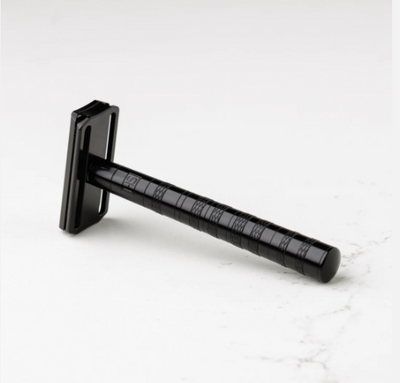
If your skin is easily irritated, if you fight razor bumps, or if you want true closeness that lasts, a single blade setup is hard to beat. Pair a safety razor with a comfortable blade and a slick lather, and you get dependable results. If you want the ultimate edge and do not mind the ritual, a straight razor can deliver shaves that feel like polished glass. A Shavette gives that same feel with less maintenance, at the price of a sharper learning curve.
Environmental footprint
One metal blade and a small strip of steel landing in the recycling every week has a very different footprint than a cartridge made from multiple materials. Many communities accept double edge razor blades in a sealed tin or a blade bank. Check local rules. Cartridges are harder to recycle. If waste reduction matters to you, single blade razors plus safety razor blades align better with that goal.
Picking your first setup
If you are curious about single blade shaving and prefer an easy start, buy a mild to medium safety razor, a blade sampler, a basic shaving brush, and a reliable cream or shaving soap. The Merkur 34C is an honest baseline that handles daily shaves well. If you appreciate tight tolerances and minimal blade chatter, a Henson razor offers a very controlled feel, and Henson shaving’s direct support in Canada and elsewhere makes ownership simple. Start with passes with the grain. Give it one to two weeks for your technique to settle, and resist the urge to chase perfection on day one.
If you want to leap straight to the ultimate edge, try a Shavette first. It teaches you blade respect with less maintenance. Once you feel comfortable, you can decide whether a traditional straight razor’s upkeep is worth the romance and longevity.
Final thoughts grounded in practice
Both approaches work. A well-prepped cartridge can give clean, quick results, especially on resilient skin and light beards. A well-handled single blade razor rewards you with closeness, calmer skin, and lower long-term cost. The decision hinges on your priorities: speed and simplicity, or control and craft.
When friends ask what to buy, I start with questions. Do you get bumps on your neck? Do you want to spend two extra minutes for a better finish? Do you enjoy simple tools that last? If they answer yes to any of those, I suggest a safety razor with double edge razor blades, a brush, and a good lather. If they want zero learning and two-pass speed, I steer them to a quality edge razor cartridge and a slick cream.

A razor is a personal tool. Pick the one that fits your skin and your mornings. Then learn it well. The best shave is the one you can repeat, comfortably, day after day.