
Walk a site with a seasoned real estate developer and you will notice the quiet arithmetic behind each glance. They see land like a spreadsheet in three dimensions. A curb cut is not just an entry point, it is a permitting checkpoint. A mature oak is a future crane constraint and perhaps a heritage asset worth celebrating. The developer’s craft sits at the intersection of finance, design, construction, and stewardship. From a raw tract to a ribbon cutting, the throughline is disciplined judgment under uncertainty.
This is a tour of that process as I have lived it, with the successes and bruises that make the difference between a solvent project and a costly lesson. It applies whether the goal is a boutique Multi-Family building, a set of Custom Homes on tricky terrain, a complex Renovation that stitches new systems into old bones, or one of those exacting Heritage Restorations that force a team to build twice, first in patience, then in practice.
What feasibility really asks
Feasibility is not a slogan, it is a sequence of tests. At its core, the question is simple. Can the project as conceived be permitted, financed, built, absorbed by the market, and maintained to the standard the pro forma requires, with enough margin to absorb the surprises that inevitably arrive. A real estate developer will answer that question many times across the life of a project, and the answer will change as facts replace assumptions.
In the early phase, feasibility is 70 percent about constraints and 30 percent about ambition. Zoning is the first constraint. Utilities, access, soils, and environmental overlays follow. Market demand shapes yield and product type. The ambition is the concept that ties those variables into a building that deserves to exist.
I have killed more deals than I have built, and that ratio is a sign of respect for math and time. If you are not willing to walk from a seductive site when the numbers do not work, the market will eventually do the walking for you.
The early math that saves months
The opening model does not need 40 tabs. It needs clarity. The first pass is often a six line stack. Land, hard costs, soft costs, finance costs, revenue, and contingency. The ranges matter more than the single points, because the spread reveals where to push for certainty.
On a 30 unit Multi-Family infill I underwrote last year, the deal worked with rents of 3.75 dollars per net rentable square foot, an all-in build cost of 330 dollars per square foot, and a land basis under 70 dollars per buildable square foot. I negotiated the site to 64 dollars per buildable square foot, secured utility confirmations that allowed a modest unit count increase, then protected the margin by bidding the skin system early. That one choice cut 18 dollars per square foot of facade cost and stabilized the pro forma. The math was simple, but the timing was everything.
For Custom Homes, the math behaves differently. Buyers care about finishes, craftsmanship, and site stories, not just square footage. I have watched a clean 2.2 million dollar custom build sell faster than a 1.9 million dollar competitor because the floor plan resolved daily life so gracefully that closets, daylight, and bench heights read as luxury without shouting. In that segment, a Custom home builder who understands how families truly live can turn details into dollars, and the feasibility model needs to weight that reality.
Due diligence: respect what you cannot see
Anyone can see a view. Fewer check the downstream sewer capacity that will govern whether you can actually add density. Call the utility to confirm. Do not accept a generic “service is available” letter when a capacity letter is possible. I have seen an eight month delay because two manholes downstream were undersized and required an offsite upgrade that no one priced.
Soils shape everything from excavation cost to foundation design. On a hillside custom home, we once set aside a six figure rock removal allowance based on a single refusal at 9 feet in one boring. The line item helped us win credibility with the buyers, and when the excavation went quickly we had a happy surprise that paid for a better window package. Budgeting for ugliness often saves face later.
Title and survey matter more than the untrained eye expects. A lot line easement can take 200 square feet of buildable area in precisely the wrong place. A view covenant from 1978 might cap your ridge height in a way your massing cannot tolerate. Get a boundary and topographic survey that shows spot elevations and critical trees, not just a pretty drawing.
Entitlements: choreography and patience
Permitting is choreography. On every calendar there is a critical path, and on that path each approval depends on a prior submittal or sign off. Mapping those dependencies beats brute force. If design review boards in your jurisdiction favor context, bring neighbors into the process early. Orientation meetings can cut negative public comment by half, and when the board sees that you have metabolized feedback, they spend their energy on refinement, not resistance.
In heritage districts, documentation is your leverage. On a recent Heritage Restorations project, our case hinged on proving the original window module through archival photos and mortise spacing. With that evidence, we earned approval for high performance replicas that kept the rhythm while reducing operating costs. The upfront research, two weeks of it, saved us from a winter of drafts and complaints.
Do not underestimate the quiet approvals. Driveway curb cuts, tree protection plans, stormwater detention volumes, and right of way dedications will influence speed and cost more than the glossy elevations. A real estate developer who leads consultants through that maze, rather than delegating and hoping, shortens timelines and earns the trust of lenders.
Capital: disciplined structure over cheap money
The capital stack reflects risk allocation. Senior debt, mezzanine, preferred equity, common equity, each with a price and a voice. I prefer simple structures when product is relatively standard and construction risk is moderate. Overcomplicate a small Multi-Family deal with layered mezz and you will spend more time negotiating intercreditor agreements than building.
On a larger mixed use or a series of Custom Homes on a shared private road, https://pastelink.net/lxue1r2a I tolerate complexity if it buys schedule certainty. We once paired a senior construction loan at SOFR plus 275 basis points with a patient family office partner who accepted a 12 percent pref in exchange for a defined release schedule tied to each custom sale. The structure aligned interests and allowed us to sequence closings with minimal bridge financing.
For clients seeking an Investment Advisory perspective, we look at project fit within a portfolio. A short duration Renovation can hedge a longer entitlement play. A stabilized property with clean Property maintenance history can offset a ground up project’s volatility. The advisory lens is less about this deal and more about the next three.
Design is a business tool, not just an art
Design that is beautiful, buildable, and bankable is the developer’s north star. Beautiful without buildable leaves money on the drafting table. Buildable without beautiful erodes marketing velocity and pricing. Bankable carries the lender and appraiser with clear comps and a defensible cost to value ratio.
Early integration beats late heroics. Bring the Custom home builder or general contractor into schematic design. It is not about value engineering as a synonym for cheap. It is about aligning structure, systems, and finishes so that the building can be assembled efficiently without punishing the eye. On a 40 unit wood frame Multi-Family project, we shifted from a scattered manifold plumbing layout to a disciplined wet wall stack that shaved 120 labor hours and reduced future leak risk. Tenants will never notice the detail on day one, but the Maintenance team will in year five.
On custom residences, mockups settle arguments and save marriages. Buy a day for a site mockup of exterior materials and trim profiles. Seeing the shadow line in natural light has resolved more debates for me than any rendering. The added cost is trivial compared to a change order after stucco cures.
Procurement: when to lock and when to float
Material volatility taught hard lessons over the past few years. Fixed price subcontracts with reasonable escalation windows are still valuable, but so is a procurement plan that respects lead times. On anything with complex mechanicals, lock equipment submittals early. Chillers, switchgear, and even shower valves have broken schedules by months. If you capture long lead items in a separate early package, you will thank yourself later.
Local relationships smooth the rough edges. A lumber supplier who knows you pay on time will find a way to prioritize deliveries when the region is tight. A millworker who has grown with you through several Custom Homes will alert you to veneer supply shifts before you design around an unavailable species. That is not luck. It is the compounding return on trust.
Building the thing: sequence is strategy
Once you break ground, don’t confuse motion with progress. The best supers make a site feel calm. Safety, cleanliness, and clear lanes reduce rework and keep trades efficient. On tight urban sites, crane time is gold. Schedule it like a scarce resource. We once re-sequenced a six story stick frame over podium so that balconies were fabricated and set in three consolidated picks per elevation. The result cut five crane days and minimized street closures, which kept the neighbors on our side.
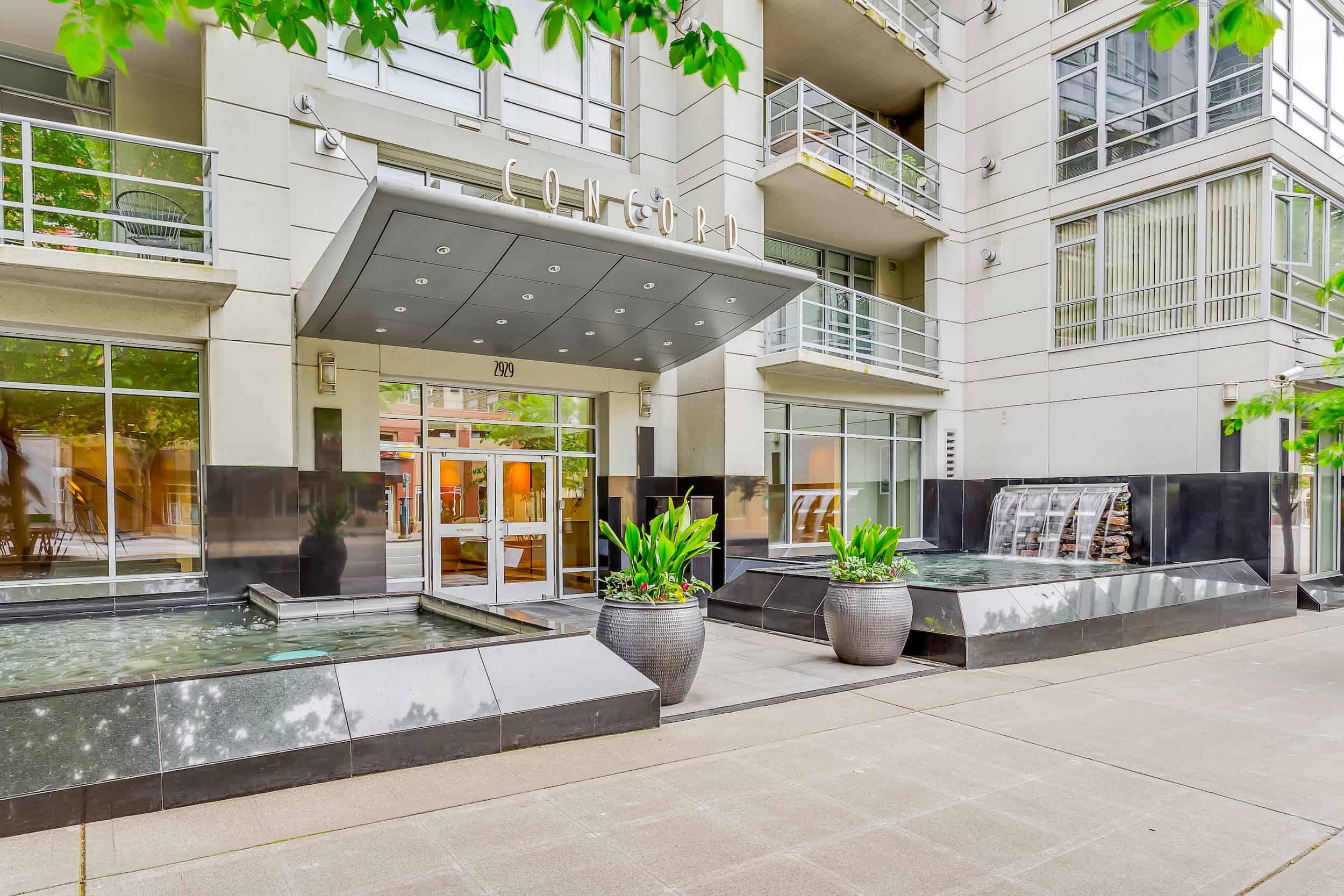
Quality control belongs to everyone, but responsibility must be singular. I prefer a weekly punch walk by discipline, with someone holding the pen who can direct corrective action. Document with photos and circulate. The loop needs to close, not linger. You will not always get more time. You can always get more clarity.
The Multi-Family lens: durability and lifecycle
Multi-Family is an operating business wrapped in a building. Decisions you make in month three show up in the service requests the Property maintenance team receives in year three. That truth should shape everything from door hardware to roof access. Pay the premium for solid core unit entry doors and robust closers. Tenants and carts are hard on them. Choose flooring that survives water incidents with replaceable planks and transitions that do not telegraph every splice.
We standardized our bath assemblies to isolate penetrations to two wet walls wherever possible. The Maintenance techs can diagnose and repair without opening three rooms. We also set water heaters on pans with drains wherever code allowed, because the cost of one avoidable ceiling patch across stacked units will eat your margin in a week.
In leasing, people buy light, sound, and storage. Put the electrical plan to work. Switch pantry lights separately, put outlets where vacuums actually go, and confirm that your mechanical chases do not hum behind bedroom walls. Tenants forgive a lot if they sleep well and find their socks easily.
Custom Homes: where intimacy and precision meet
A custom residence is its own ecosystem. The owner is not just a client, they are a future daily user with a fine memory of every promise you made. The craft is not only in millwork thickness and miter tightness, but in process control. Define approvals, hold them gently but firmly, and explain why a late faucet swap cascades into rough in changes, counter slab openings, and shop drawings.
On a coastal site, we coordinated a salt air strategy from the first meeting. Stainless fasteners, marine grade finishes on exterior doors, and a ventilation design that could dry a mudroom after a week of storms. None of those choices are headline grabbing, but they keep a house cheerful in year seven.
Custom work always includes field conditions that were not obvious on paper. Treat surprises as neutral facts, not failures. If a footing finds an old foundation wall, expose fully, capture dimensions, and get the structural engineer to bless the solution that day. A 24 hour solution beats a 10 day debate.
Renovations: surgical patience pays
Renovations reward curiosity. Assume nothing behind a wall is exactly as drawn. Open exploratory holes where systems converge before you finish the budget. Photograph everything and scale tape in frame. The images become documentation, coordination aids, and eventual insurance value.
We once took a 1920s brick building with a fine cornice and a sad interior and turned it into a lively office with a restaurant at grade. The big win was discovering a concealed steel transfer beam that allowed us to reframe spans without new posts punching through the restaurant’s floor plan. That find came from a two day survey with a flashlight, not a hammer. Curiosity is cheaper than demolition.
In tenant occupied Renovations, respect the rhythm of life. Post schedules clearly, hold to quiet hours, and staff cleanup like it matters, because it does. Lose the tenants and you inherit vacancy you did not underwrite.
Heritage Restorations: history as a design partner
Heritage work is about fidelity and performance, held in productive tension. I have learned to let the original building teach the team. Study the joinery, the mortar composition, the roof pitch logic. When you understand why it was built that way, you can add modern systems without violation.
A courthouse project taught us humility. The sandstone facade had weathered soft in places. Traditional patching would have looked fine for a year, then failed. We engaged a specialist who matched stone density and capillary behavior. The patches disappeared visually and performed as the original did. It cost 18 percent more than standard methods, and it was money well spent.
Do not skip the mockup wall for masonry repointing. Mortar color in a bag is a lie. In sunlight, with the neighboring stones, you will see the truth.

Turning a project into an asset
A building is only a success if it performs after handover. Start the Maintenance plan during design. Select equipment with parts available regionally. Write O and M manuals that a tech can read in a hurry. Digitize them and store in the cloud, but also leave a binder on site. Batteries die. Binders do not.
We walk new managers through the building like a pilot’s preflight. Where is the main water shutoff. Which zones can be isolated. How do you reset the fire panel without tripping alarms. That walkthrough is not glamorous, but it protects revenue and reputation.

For Multi-Family, spend a day assembling a resident move in guide. Elevator reservations, loading dock timing, instructions on waste sorting, and a friendly introduction to the community norms. Managed expectations reduce service calls and tension.
The advisory view: how investors should read a developer
Investors should read developers not just on glossy presentations, but on their scar tissue and their systems. Ask for a post mortem from a project that went sideways. Smart teams learn. Look for a builder network that sticks around. A developer who churns through contractors often leaves unpaid bills, which is a warning sign. For an Investment Advisory mandate, I want to see discipline in deal selection, humility in assumptions, and a documented approach to Property maintenance after stabilization.
Good developers know which deals fit them. A lean shop that excels at 20 to 60 unit Multi-Family may not be right for a 200 unit tower. A Custom home builder with a brilliant eye for detail might struggle with the logistics of a big podium pour. Fit matters more than a hunger claim.
Risk management: catch the small fires early
Here are five early warning signs that deserve immediate attention:
- Submittals stack up without approvals or comments for more than two weeks, creating a downstream bottleneck. Weather protection on site is ad hoc, with tarps and hope, not planned enclosures. Meeting notes read like theater with no assigned owners or due dates. Lender draws are consistently haircut for documentation gaps, signaling process breakdown. Neighbors start emailing the city before they speak to you, a sign you have lost the narrative.
None of these are fatal alone. Together they predict delays, cost creep, and political friction. Treat them as alarms worth a pause and a reset.
The people who make it possible
Development is a team sport with defined roles and shared accountability. Architects who listen and still lead. Engineers who say yes, and when needed, say no with alternatives prepared. Superintendents who care about craftspeople. Inspectors who hold the line without swagger. Brokers who know a compliment can keep a negotiation alive. Lenders who ask hard questions and show up on site occasionally to understand context. And owners, whether a family building a dream home or an investor syndicate, who trust the process they bought.
One of the most useful habits I know is writing a two page project memo after each major milestone. What we learned, what changed, what still feels weak. The habit builds institutional memory and smooths the next go round. After a decade, those memos read like a fingerprint of a firm’s culture.
Lessons I keep relearning
- A simple, early model with honest ranges beats a late, ornate model with wishful point estimates. Mockups are not vanity, they are insurance. Neighbors can derail a schedule, or become allies, depending on how you show up. Maintenance is not an afterthought, it is a design input. Walk away money is real money. Use it when the site asks too much.
Every project is a bundle of decisions under constraints. The best teams decide small things fast and big things carefully. They know when to lock scope and when to hold space for discovery.
A week in the life, condensed
Monday begins on site with the superintendent and the framing lead. We review last week’s punch list, look at weather forecasts, decide to accelerate window install by two days due to a dry window opening. I call the supplier to confirm delivery and the crane operator to adjust. After lunch, a lender call. We share updated photos and a schedule narrative. No surprises, and that is the point.
Tuesday, design room. The architect brings a revised stair detail for the custom house, proposing a steel stringer that simplifies the lower landing. We sketch how the under stair storage can still work, then loop in the millworker on FaceTime. The owner arrives for a materials review. We compare two stone slabs outside, under natural light. The choice is clear in ten minutes. We record approvals in writing before anyone leaves.
Wednesday is entitlement time. The planning department has comments on parking screening for the Multi-Family project. We prepare sight line diagrams, bring a sample of the metal screen we used on another building nearby, and show it aged two years. The planner warms. We commit to additional landscaping along a neighbor’s fence. The change adds 8,000 dollars and likely saves a month.
Thursday, finances. We look at the pipeline with our Investment Advisory partner. Two Renovations, one Custom home, a prospective infill parcel. We map cash needs, timing, and sensitivity to rates. We decide to defer one acquisition until we lock a major subcontract on another project. Discipline feels like restraint until you measure its outcomes.
Friday, people. Coffee with a new site engineer, a walk through a Heritage Restorations site with a historian who points out a detail we would have missed, then a team check in with the Property maintenance manager at a stabilized building. We talk about an uptick in service requests for a particular dishwasher model. We note it for design standards and work with the supplier on a fix. Loop closed, lesson banked.
Finishing well
The final weeks test patience. Inspections, corrections, commissioning, and the small touches that separate competent from cared for. I keep a short list of finish practices that pay outsize dividends. Clean the glass twice, once after interior finish, once before turnover. Run mechanical systems under load for a week before occupancy, logging performance. Paint the parking stripe edges clean and keep numbering consistent. Walk the night lighting, because glare at 10 p.m. Is very different than a midday mockup.
When we hand over keys, whether to residents in a Multi-Family building or a family in a custom residence, I want the place to feel inevitable. Not inevitable as in easy, but as in right. A project that moved from feasibility to finish because each step earned the next. That is the mind of a real estate developer at work. It is not a secret, just a set of disciplines practiced long enough to become instinct.
And then, of course, the next site appears. A fence with a small gap that lets you look through. A set of power lines that suggest an easement. A corner lot with southern light and a cracked sidewalk. The arithmetic begins again, along with the privilege of turning ideas into places people use and love.
Address: #20 – 8690 Barnard Street, Vancouver, BC V6P 0N3, Canada
Phone: 604-506-1229
Website: https://tjonesgroup.com/
Email: info@tjonesgroup.com
Hours:
Monday: 8:00 AM - 5:00 PM
Tuesday: 8:00 AM - 5:00 PM
Wednesday: 8:00 AM - 5:00 PM
Thursday: 8:00 AM - 5:00 PM
Friday: 8:00 AM - 5:00 PM
Saturday: Closed
Sunday: Closed
Open-location code (plus code): 6V44+P8 Vancouver, British Columbia, Canada
Map/listing URL: https://www.google.com/maps/place/T.+Jones+Group/@49.206867,-123.1467711,17z/data=!3m1!4b1!4m6!3m5!1s0x54867534d0aa8143:0x25c1633b5e770e22!8m2!3d49.206867!4d-123.1441962!16s%2Fg%2F11z3x_qghk
Embed iframe:
Socials:
https://www.instagram.com/tjonesgroup/
https://www.facebook.com/TheT.JonesGroup
https://www.houzz.com/professionals/home-builders/t-jones-group-inc-pfvwus-pf~381177860
The company also handles multi-family construction, home maintenance, and investment advisory for property owners who want a builder with both design coordination and construction experience.
With its office on Barnard Street in Vancouver, the business is positioned to support custom home and renovation projects across the city.
Public site pages emphasize clear communication, disciplined project management, and craftsmanship meant to hold long-term value rather than short-term fixes.
T. Jones Group collaborates closely with architects, interior designers, consultants, and trades from early planning through completion.
The brand presents more than four decades of family-led building experience in Vancouver’s residential market.
Homeowners planning a custom build, estate renovation, or heritage restoration can call 604-506-1229 or visit https://tjonesgroup.com/ to start a consultation.
The business also maintains a public Google listing that can be used as a map reference for the Vancouver office.
Popular Questions About T. Jones Group
What does T. Jones Group do?
T. Jones Group is a Vancouver builder focused on custom homes, renovations, and related residential construction services.
Does T. Jones Group only work on new custom homes?
No. The public services page also lists renovations, heritage restorations, multi-family projects, home maintenance, and investment advisory.
Where is T. Jones Group located?
The official contact page lists the office at #20 – 8690 Barnard Street, Vancouver, BC V6P 0N3.
Who leads T. Jones Group?
The team page identifies Cameron Jones as Principal and Managing Director, and Amanda Jones as Director of Client Experience and Brand Growth.
How does the company describe its process?
The public process page says projects begin with an initial consultation to understand the client’s vision, lifestyle, property, goals, budget, and timeline, followed by collaboration with architects and interior designers through completion.
Does T. Jones Group work on heritage restorations?
Yes. Heritage restorations are listed on the official services page as a distinct service area focused on preserving original character while improving structure, livability, and performance.
How can I contact T. Jones Group?
Call tel:+16045061229, email info@tjonesgroup.com, visit https://tjonesgroup.com/, and follow https://www.instagram.com/tjonesgroup/, https://www.facebook.com/TheT.JonesGroup, and https://www.houzz.com/professionals/home-builders/t-jones-group-inc-pfvwus-pf~381177860.
Landmarks Near Vancouver, BC
Marpole: A major south Vancouver neighbourhood and a gateway from the airport into the city. If your project is in Marpole or nearby southwest Vancouver, T. Jones Group’s Barnard Street office is close by. Landmark link
Granville high street in Marpole: A walkable commercial stretch with shops, services, and neighbourhood activity along Granville Street. If your property is near Granville, the Vancouver office is well positioned for local custom home or renovation planning. Landmark link
Oak Park: A well-known community park near Oak Street and West 59th Avenue. If you live near Oak Park, T. Jones Group is a practical Vancouver option for custom home and renovation work. Landmark link
Fraser River Park: A recognizable riverfront park with boardwalk views along the Fraser. If your project is near the Fraser corridor, the company’s south Vancouver office gives you a nearby point of contact. Landmark link
Langara Golf Course: A familiar south Vancouver landmark with strong local recognition. If your home is near Langara or south-central Vancouver, T. Jones Group is a local builder to consider for custom residential work. Landmark link
Queen Elizabeth Park: Vancouver’s highest point and a common geographic anchor for central Vancouver. If your property is around central Vancouver, the company remains well placed for city-based projects. Landmark link
VanDusen Botanical Garden: A major west-side destination near Oak Street and West 37th Avenue. If your home is near Oak Street or west-side Vancouver corridors, the office is still nearby for planning and consultations. Landmark link
Vancouver International Airport (YVR): A practical regional marker for clients coming from the south side or traveling into Vancouver for project meetings. If you are near YVR or Sea Island connections, the office is easy to place within the south Vancouver area. Landmark link