
Warm weather in Mantua Township doesn’t just bring cookouts and ballgames. It also brings wasps, hornets, and yellowjackets looking for sheltered building cavities and reliable water. Roof vents and gutters offer both. If you’ve ever watched a worker wasp trace the soffit line and disappear into a vent gap, you know the uneasy feeling that follows. The good news is that targeted inspection and maintenance in these specific zones can prevent most stinging insect problems before they escalate, and they help with broader pest pressure too, from ants trailing into moisture-softened fascia to rodents taking advantage of degraded screens.
Why roof vents and gutters invite wasps
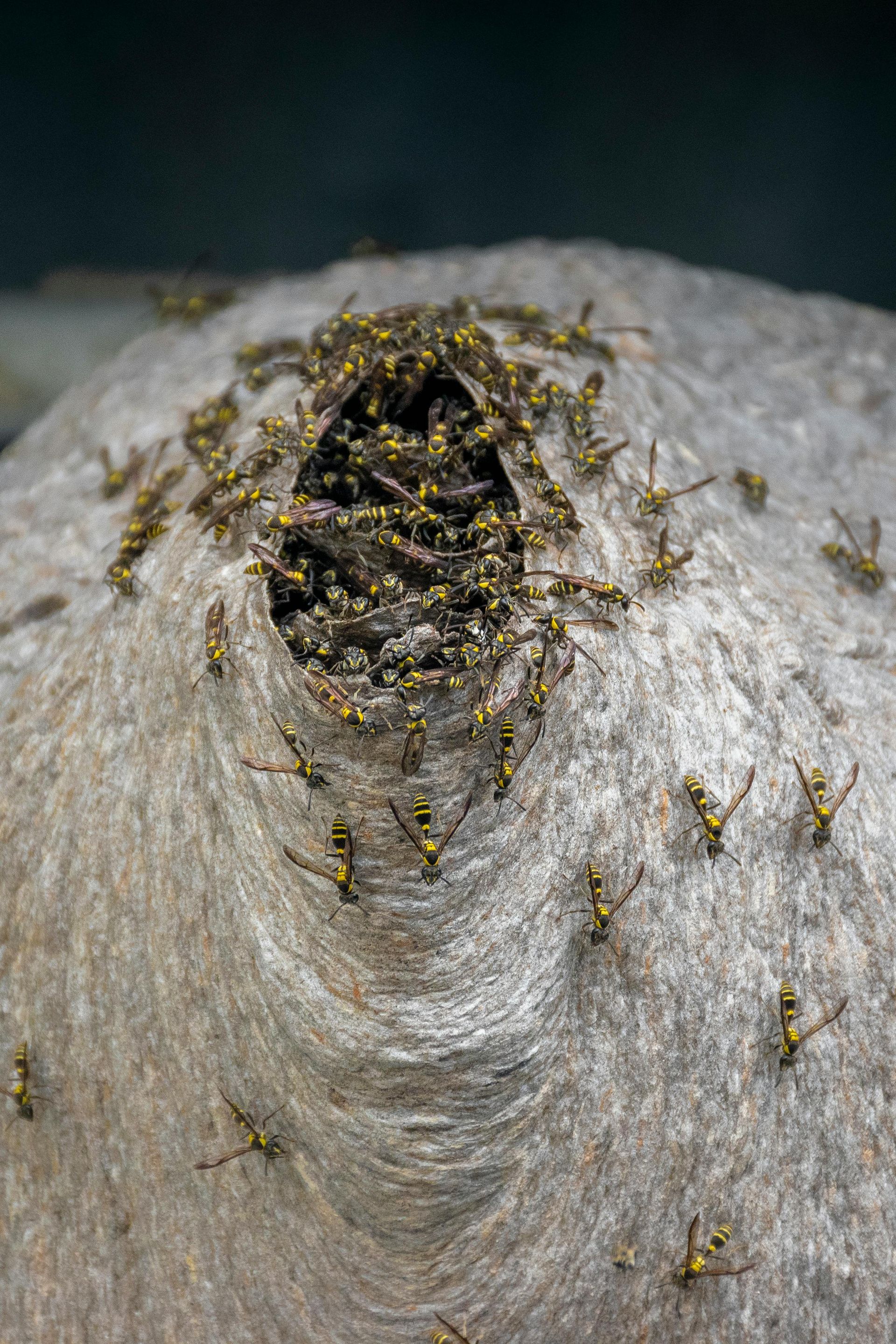
If you strip the situation down to basics, wasps want dry cover near food and water. Roof vents provide protected cavities that stay warm, especially the plastic turtle vents common on ranch homes. Louvered gable vents, ridge vents with lifted flashing, and attic fan housings can all present just enough of a gap for a queen to slip in and start a paper nest. Once she raises the first cohort of workers, activity ramps up quickly. You might not hear anything until midsummer, then you catch a papery rustle above the ceiling, or you notice steady in-and-out traffic at a vent on the sunny side.
Gutters add fuel to the equation. Even a small sag or debris dam creates a permanent puddle. Wasps will use the water to regulate nest humidity and to mix with wood fibers for paper. Rotting leaf litter also harbors small arthropods, which provide protein for developing larvae. Overflowing gutters wet the fascia, softening wood and opening seams, which in turn expands entry points. It’s a perfect loop: water gathers, wood swells, gaps form, insects move in.
Field realities in Mantua Township
Local construction styles and weather rhythms shape the problem. In Mantua Township, older colonials and split-levels often have aluminum soffit over wood, with circular or rectangular roof vents peppered along the rear slope. We see ridge vents that were retrofitted during reroofs and not sealed flush, especially at end caps, and attic gable vents with screens chewed by squirrels or brittle from sun exposure. After a spring of oak catkins and maple seed helicopters, gutters clog and begin to pond at inside corners. By mid June, it’s common to find small paper nests started under the lip of a hooded vent or tucked behind a downspout elbow bracket where the fasteners loosened.
On one Mantua cul-de-sac with mature trees, a homeowner called after hearing a faint buzz above a guest room. The crew traced flight lines to a roof turbine vent, removed the cap at dusk, and found a grapefruit-sized paper nest set just inside the housing. The turbine’s screen had been pushed back by a squirrel months earlier. That one inch of play delivered the entire colony its home.
What a thorough inspection looks like
Good wasp control depends on seeing what most people miss. A quick glance from the driveway won’t cut it. A thorough assessment involves a slow walk of the perimeter, then ladder time at strategic spots. Start by pausing ten minutes to watch the roofline during peak sun. You’ll often catch flight paths if you simply stand still. Note any regular traffic to one vent or ridge segment, and mark the location mentally before moving closer.
At the ladder, check the vent types in play. Turtle vents, ridge vents, gable louvers, powered fan housings, bathroom and dryer terminations, and soffit vents all warrant scrutiny. Gently tap with a screwdriver handle and listen. A hollow, papery resonance can be a giveaway in late summer. Lift ridge vent shingles with a putty knife to check for gaps, but don’t pry anything you can’t reseat correctly. Airflow devices have jobs to do, and blocking them outright causes condensation and roof damage.
Gutters deserve the same care. Peek into corners and valleys where debris accumulates first. Look for moss islands or dark biofilm that signal constant moisture. Inspect hangers for pullout, which can create downward-facing gaps that hornets favor for sheltered anchoring. Downspout inlets with a strainer basket often hide a nest lip curled just beneath. A flashlight helps. On hot days, a faint chip of papery comb can look like a dried leaf unless you catch the subtle hexagonal pattern.
Safe timing and the reality of “DIY”
Timing matters more than most people realize. Queens emerge and start nests in spring, often April into May, weather permitting. If you intercept a starter nest early, you can resolve it with minimal disturbance. Once workers mature, daytime approaches can trigger defensive swarms. Crews schedule wasp removals around dusk or at first light when foragers are home and activity is low. The same logic should guide homeowner inspections. If you must get close at midday, stay observant and back off at the first sign of aggressive circling.
The phrase “DIY friendly” gets thrown around, but there are clear boundaries. Spraying into an attic or a vent without confirming the nest location can push wasps deeper into the structure, and aerosols inhaled in a confined attic with minimal ventilation can cause harm. Products labeled for wasps have specific use sites and distance requirements. Using dusts in a ridge vent seems simple on a video, but the wrong dust in a wind channel can blow into living spaces or onto insulation where children may come into contact months later. There is also the ladder reality. Most of the callouts we get after a do-it-yourself attempt involve falls, not stings.
Domination Exterminations: lessons from roof vent work
Domination Exterminations has handled many roof vent and gutter cases around Mantua Township, NJ. One pattern stands out. The highest-risk vents are those installed with a slight tilt or on roofs that later settled. That tilt can open a uniform eighth-inch slit along one edge where fasteners don’t clamp evenly. Over a season, temperature cycles loosen screws by a quarter turn. We encountered this on a single-story ranch near Main Street where yellowjackets exploited a consistent gap along three rear turtle vents. The fix required more than a one-time treatment. We removed each vent at dusk after neutralizing the colony, scrubbed the contact surfaces, laid a butyl bead around the flange, reinstalled with new gasketed screws, and then added stainless micro-mesh over the internal throat that didn’t obstruct airflow. Two seasons later, the homeowner reported no return activity on that slope.
From a process standpoint, our crews prefer low-toxicity choices where possible. We isolate the nest first, then select the least disruptive formulation. On vents with visible paper at the lip, a vacuum removal with a HEPA capture works well before applying a residual dust into the void to address stragglers. For concealed nests inside a vent channel, we use a measured dusting through a probe, not a broad blast, to keep the material where it needs to be. The goal is to solve the current problem and preserve the roof system’s function.
The gutter connection and overflow traps
A gutter inspection without water tells only part of the story. If you want to know where wasps are drinking, run a hose at low flow at the far end of a gutter stretch and watch how the water behaves. It should march neatly to the downspout without pooling. Any stall points are where wasps will visit at noon in July. Those stalls also mark where fascia stays wet, attracting carpenter bees and even encouraging ants that excavate softened wood layers for satellite nests.
Gutter guards help, but they are not magic. The micro-mesh styles reduce leaf loading dramatically, yet we still see silt accumulation over time that grows into a thin mat. Seeds sprout, roots knit the mat, and a shallow puddle forms on hot afternoons. On a brick colonial off Lambs Road, the gutter guard was perfectly intact, but a wasp colony set up under the downspout outlet cap where the fasteners loosened. The fix was to reseat and seal the outlet, replace the screws with wider pan heads, and add a short section of smooth-wall pipe to reduce turbulence at the turn.
Subtle signs you’re missing
Homeowners often report “one or two” wasps inside the house each week in mid summer. That is not random. It usually means the colony sits above the ceiling plane, and a few workers are slipping through recessed light cans or unsealed wire penetrations. If you see wasps in a bathroom with a vent fan, check the exterior termination hood. The damper may be stuck open, or the pipe may have detached in the attic, creating a warm cavity and a pathway into the interior.
Another overlooked cue is staining on soffit panels. A narrow brown streak can form where wasps repeatedly land and grip before entering a small gap. We’ve tracked several nests just by following those fingerprints along the underside of eaves. Light scratching sounds at night are less common for wasps but can indicate other pests using the same gaps. Termites don’t scratch audibly, but rodents and carpenter bees do, and both are drawn to the same moisture problems that invite wasps in the first place.
Integrating wasp control with broader pest strategy
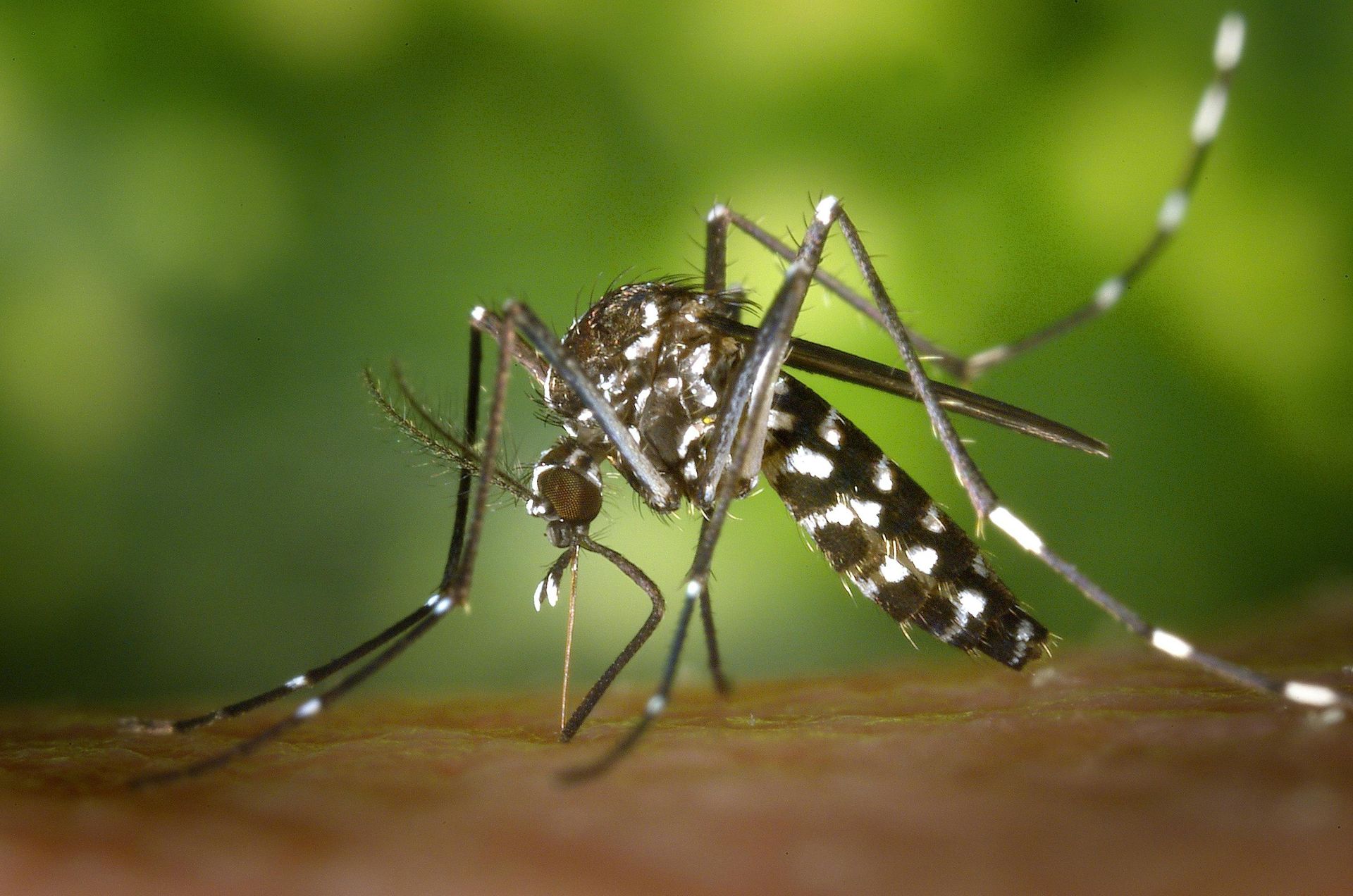
Nobody has a single-pest home. The conditions that support a wasp colony often overlap with ant control, spider control, rodent control, and even mosquito control considerations. Fix gutter overflows and you cut down the micro pools that support mosquito larvae. Tighten ridge vent end caps and you reduce warm entry points for mice in October. Replace a torn gable screen and you limit spider prey pressure inside the attic, which in turn reduces webbing and the spider control you’ll need around soffits.
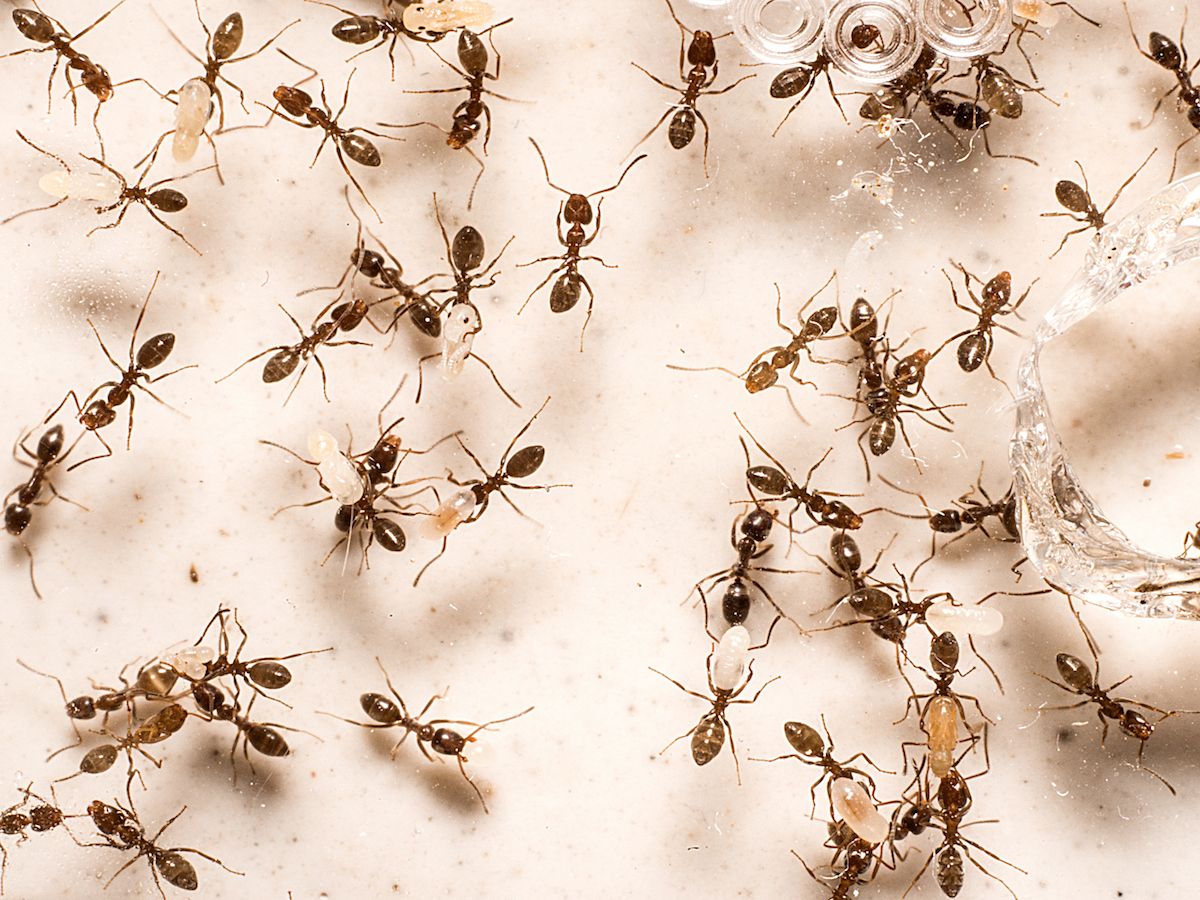
With ant control Mantua Township homeowners often ask why ants show up in upstairs bathrooms. Roof vent leaks and attic condensation drip through framing cavities, wetting drywall around vent stacks. Ants climb to the moisture. The same path can provide a pathway for wasps to orient and seek out the warmth of those cavities. Bed bug control https://www.dominationextermination.com is a separate discipline, but even there, sealing around baseboards and electrical penetrations to limit pathways is a transferable skill. Termite control Mantua Township strategies also benefit from dry fascias and sealed roof joints, because termites follow moisture gradients. Fix a gutter leak now, and you alter a subterranean termite’s foraging moisture map by next spring.
What to check during seasonal roofline walkthroughs
The homeowners who avoid stinging surprises build a habit. Twice a year, usually late spring and early fall, take a slow lap with intent. Look for repeating patterns and small shifts. We’ve seen people prevent a major yellowjacket nest by catching a single small flap of lifted flashing in May and reseating it with a dab of adhesive.
Here is a compact checklist that keeps the focus on roof vents and gutters without turning into a weekend project:
- Confirm all roof vent fasteners are snug and gasketed. Look for even contact all around the flange. Inspect ridge vent end caps and transitions at hips and valleys for gaps larger than a pencil lead. Check gable vent screens for tears or brittleness. Replace with stainless micro-mesh rather than plastic. Run water through gutters, watch for ponding, and correct sagging hangers immediately. Examine downspout outlets and elbows for looseness, vibration gaps, or sheltered lips where nests can anchor.
When activity spikes without a visible nest
Sometimes you see frequent wasp traffic but cannot identify a nest. This can happen during droughts when workers range farther for water. Gutters and AC condensate lines become watering holes. Before assuming a nest on your structure, look at nearby features that concentrate water: birdbaths, clogged splash blocks, or a neighbor’s leaky spigot. If the activity follows the sun and seems more like loops than direct flights into a hole, it may be territory patrolling rather than nesting. Mark the exact point of entry if you can, using a photo from the ground that you can zoom in later. Small details like a missing shingle tab or a thumb-sized void in mortar can hide the entrance.
Domination Exterminations: handling edge cases and safety
Domination Exterminations often gets called for cases where multiple pests interact. A gable vent with a rodent-chewed screen can host a wasp nest on the interior face while mice use the bottom corner. Treatment protocols differ, and sequencing matters. We first address the stinging insects to make the space safe, then move to rodent exclusion the same evening while workers are still suppressed. Another edge case is the pool house or detached garage with a ridge vent that vents into a vaulted ceiling cavity. The volume is smaller, temperatures spike faster, and nests can balloon quickly. We plan these removals at dawn when temperatures are low, and we bring thermal imaging to map cavity hotspots so we can aim treatment precisely without opening interior finishes.
Safety deserves attention. Even mild wasp stings can trigger serious reactions. People with known sensitivities should avoid inspection entirely, especially at heights. Our teams carry epinephrine auto-injectors, and every tech is trained in first response protocols. We also set cones and spotters when ladders are near driveways, because distracted drivers at dusk are a real risk. If you’re a homeowner working from a ladder, place it on flat ground, tie off if possible, and never lean to the side to reach “just one more inch.” Most injuries happen on the reach.
Materials and sealing choices that actually hold up
Hardware store foam has its place, but it rarely belongs on active roof penetrations. UV light breaks it down, and wasps chew through soft foam if motivated. For roof vent perimeters, a butyl-based sealant under the flange and a high-quality polyurethane or hybrid seal around exposed seams performs better, with enough flexibility to accommodate seasonal movement. For screens, stainless micro-mesh with a fine gauge resists both chewing and UV degradation. Rivets, not staples, hold better on metal housings. On wood soffits, primed and painted screen frames last longer than bare strips. These details sound fussy until you count how often a quick fix fails just when a founding queen is scouting.
Inside the attic, avoid blocking airflow. Baffles at the eaves should remain clear so insulation doesn’t choke soffit vents. If you add a protective mesh under a ridge vent to deter insects, choose a product designed for ridge ventilation, not a random fabric that could trap moisture. Remember that ventilation controls attic temperatures and moisture, which affects mold, wood movement, and the entire pest ecosystem.
How roof vent and gutter checks intersect with other services
It’s tempting to treat bee and wasp control as a standalone task, but most Mantua Township homeowners gain more when they coordinate with other efforts. A carpenter bees Mantua Township concern at the fascia might trace back to the same gutter overflow that supports wasps. Cricket control can be easier if downspouts discharge into a properly graded swale rather than a damp alcove near a basement window. Spider control around eaves improves when light fixtures aren’t attracting swarms of midges from a nearby standing puddle caused by a disconnected downspout. Termite control Mantua Township success often requires managing moisture from above, not only from soil contact below.
On several properties, we’ve scheduled wasp-focused visits during broader pest control Mantua Township services. The tech who handles rodent control will carry a vent-repair kit so we don’t need a separate truck roll. Simple synergy avoids leaving a gap patched with tape for a week while waiting for “the ladder crew.” Over time, this coordinated approach reduces emergency calls in August, when appointment windows are tight and colonies are at their most defensive.
Seasonal rhythms and realistic expectations
Some years deliver light wasp pressure, others heavy. Late frosts can knock queens back, but a warm April followed by steady rains can create an explosion. Expect variability and plan on consistency instead of perfection. Even with great sealing and regular maintenance, scouts will test your exterior. The goal is to make your home the hardest target on the block, not an insect-proof vault.
Notice thresholds help. If you see more than five wasps per minute entering or exiting a specific hole, that is likely an established nest. If you only see random flybys with no fixed path, it may be foraging. If you smell a faint sweet or resinous odor near a vent, that can indicate active paper processing from a large colony. Take notes. Photos with timestamps are gold when you or a professional evaluates patterns later.
A brief guide to targeted products and when to stop
Homeowners sometimes ask which product works best. The honest answer is that label, placement, and timing matter more than brand names. Wasp aerosols with a quick knockdown can help for small, fully visible nests on the exterior under eaves. For vent cavities and concealed nests, dusts labeled for voids can be effective, but only if applied with care. Liquids and mists inside vents are rarely appropriate because they can travel where you don’t intend. Never use gasoline or other improvised chemicals, which are dangerous, illegal in this context, and can destroy roofing.
If you cannot confirm the nest location, if you need to open a vent housing, if the nest is larger than a grapefruit, or if the entrance is high on a steep roof, that’s the point to stop. A professional can neutralize the colony and prevent re-entry while keeping ventilation intact. It is easier and safer to repair a vent properly once the colony is quiet than to fight defenders while on a ladder.
How Domination Exterminations approaches prevention plans
Domination Exterminations builds prevention around predictable failure points. On properties with recurring wasp pressure, we map each vent, photograph fastener condition, and log gutter sag and downspout geometry. We then schedule two seasonal visits aligned with queen scouting in spring and peak worker activity in midsummer. The spring visit focuses on exclusion and micro repairs: tightening fasteners, resealing ridge ends, replacing brittle screens, and verifying gutter slope. The summer visit prioritizes surveillance, spot treatments for any starter nests, and water management tweaks after storms.
Over time, this routine reduces surprises. One Mantua Township client with a two-story colonial had three straight summers of yellowjackets in a second-floor bathroom ceiling before we started the plan. After sealing the bath fan housing, re-sleeving the vent duct, replacing the exterior termination hood with a backdraft damper that actually closes, and correcting a gutter sag that kept the fascia damp, they’ve had two quiet seasons. That’s not luck. It’s the result of aligning small fixes with insect behavior.
Frequently intertwined issues worth noting
- Bee and wasp control Mantua Township efforts must account for pollinators. Paper wasps and yellowjackets are not the same as honey bees. If you see dense clusters of golden-brown bees moving in a mass, call for a live removal. Honey bees in walls are a different protocol entirely. Misidentification leads to poor outcomes. Rodent control Mantua Township problems often start at roofline penetrations. A hole that admits a mouse will tempt wasps in late spring for shelter. Hardware cloth and metal flashing solve for both, provided airflow isn’t compromised. Mosquito control Mantua Township strategies benefit from roof runoff that moves quickly away from the foundation. Correct splash blocks, extend downspouts to daylight, and you cut standing water. That also reduces wet siding that attracts spiders and the prey they hunt.
Final thoughts from the ladder
Most wasp issues around roof vents and gutters are preventable with disciplined checks and small, durable repairs. It doesn’t require heroics, just attention to where water goes, how fasteners age, and how tiny gaps add up. Watch the roofline for a few minutes in the heat of the day. Run water through the gutters and see where it lingers. Touch each vent to test for play. If something doesn’t feel right, it probably isn’t, and fixing it now will save your knuckles, your roof, and your peace of mind in August.
When the situation shifts from maintenance to active colony removal, respect the risks. Wasps do not negotiate, and working at height amplifies consequences. If you need help, choose a team that treats the building envelope with the same care they give to the insects. That blend of control and construction detail is where lasting results come from. Domination Exterminations built its approach on that balance, and in Mantua Township, it’s the difference between a quiet summer and a surprise buzz in the ceiling.